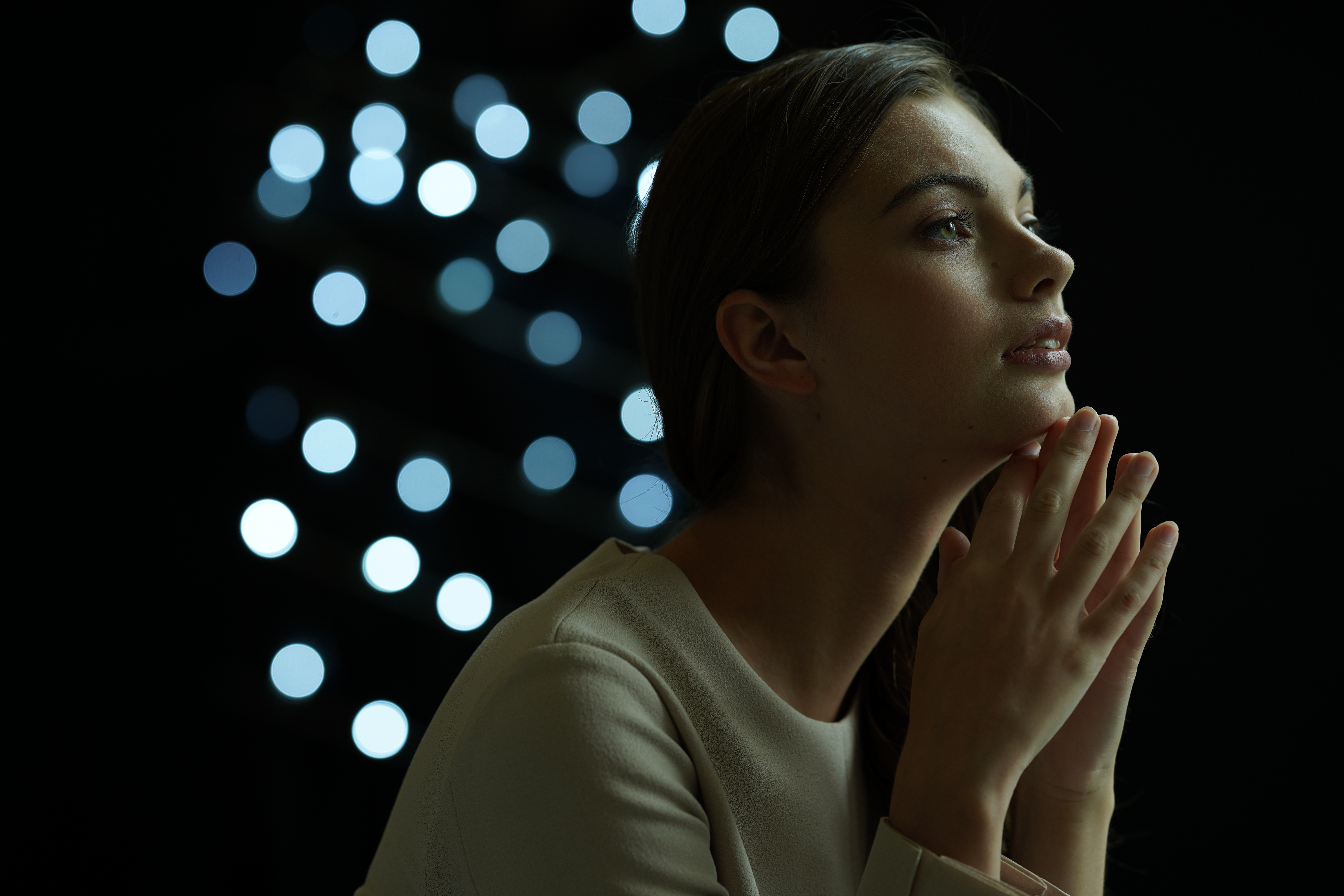
Platon won’t adjust the F stop because he doesn’t want to miss that look in your eye. “Before I shoot, I’m not thinking how to get a good picture,” he says. “I’m thinking what can I learn from this person? Every time.”
A veteran of Rolling Stone, the New York Times Magazine, Vanity Fair, Esquire, GQ, and the Sunday Times Magazine, Planton stars in his own titular episode of Netflix’s Abstract series. “A Platon portrait is about lighting, it’s about the person’s eyes, about the graphic nature of how he positions the camera – sometimes it’s from below. […] It is about getting the soul,” explains Kira Pollack, Director of Photography for TIME.
“And one picture at the tail end of this photo essay was of a mother in Arlington Cemetery, and she had her head on the headstone of her son’s grave. And as the picture focused in, you could see the writing on the headstone. And it gave his awards—Purple Heart, Bronze Star—showed that he died in Iraq, gave his date of birth, date of death. He was 20 years old. And then, at the very top of the headstone, it didn’t have a Christian cross, it didn’t have the Star of David, it had crescent and a star of the Islamic faith. And his name was Kareem Rashad Sultan Khan, and he was an American.” – Colin Powell
Heralded for his unique style by industry experts, clients, and fans, this short documentary explores the non-technical aspects of Platon’s portraiture. “He communicates something deep inside somebody. That’s his art,” says George Lois, former Esquire Art Director. Platon captures a look, a pause, a window.
But how exactly does he get it? To start, Platon researches his subject extensively beforehand. He talks Beatles with Putin, sacrifice with Colin Powell. “I’m not really a photographer at all,” he says. “What’s important is the story – the message, the feeling, the connection.” It’s talking. It’s listening.
Born to an English mother and Greek father, he moved back to the UK from Greece at 8 years old, where he wasn’t “just an immigrant, but a bloody immigrant.” Branded as an outsider, Platon was beaten to a pulp as a teenager. With broken ribs, teeth, and nose, he began to explore the universality of pain, of alienation. “I [knew] what it [was] to hurt. That is a door to something I never had before. That is empathy.”
Capturing Human Rights
From his work with Human Rights Watch in Burma to an Undocumented Migrant series, Platon evokes sympathy for suffering and the human condition. “The only thing you can do is focus on dignity, passion, and humility,” he says. While working, he speaks softly, as if slow draw the soul from its home. Engaging with rape survivors in the Congo, he tells his crew, “just remember, we’re a bunch of guys,” then offers to speak to the women in groups of two or three.
“I have photographed more world leaders than anyone. So when I am confronted with these stories, I see these women as leaders. It’s too simplistic to think of them as victims. They are victimized to be sure, but they are showing courage in allowing themselves to be photographed, and to use their stories to drive change.” – Platon, for TIME
Of course, he also knows when to break through. “Awesome!” he yells at Colin Powell, a few minutes into their shoot. He shouts something “right in their face” near the start to eliminate any remaining walls of guarded intimacy.
Ultimately, Platon’s style could be described as simply ‘personal.’ Expensive cameras and endless accessories are helpful, but they don’t make art. The artist does. “Taking a picture is very technical,” Platon says, “but 99.9% is spent on this connection.”
The U.S. wedding industry brings in about $72 billion a year in revenue; a notable slice of that is wedding photography. So, every year photographers and industry experts flock to Wedding & Portrait Photography International in Las Vegas; the convention is a hub for the latest nuptial trends and, of course, the best new gear for photographing the big day.
Below is a roundup of new items being highlighted at WPPI 2019 from Sigma, Sony, Tamron, Nikon, and Ricoh.
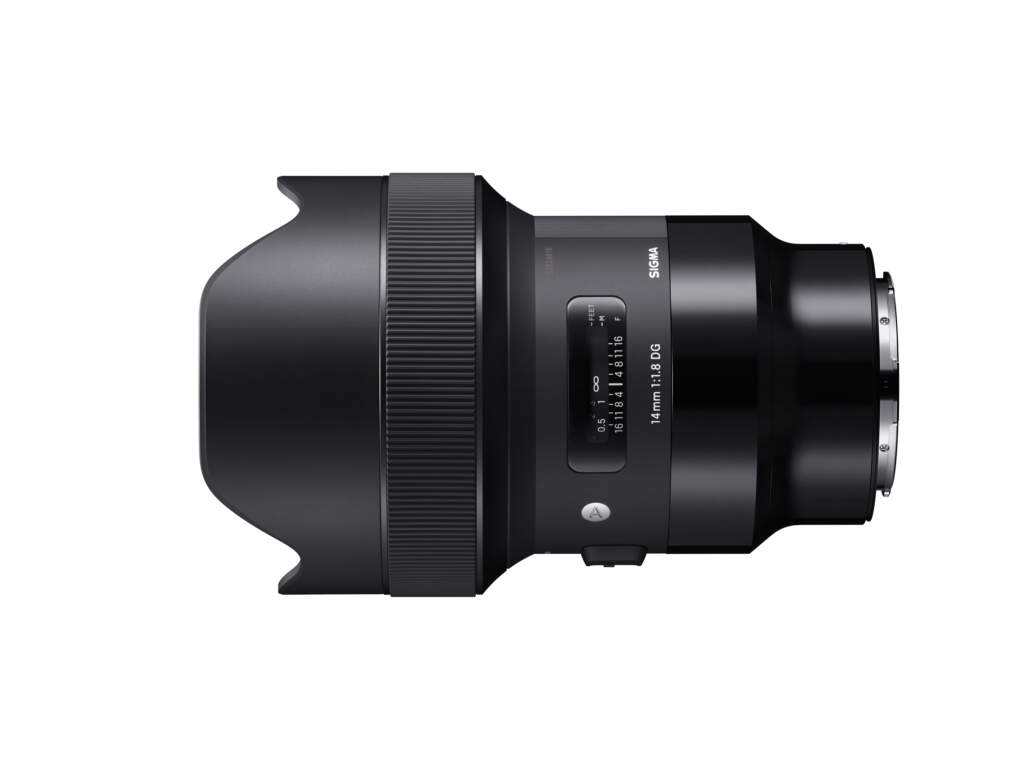
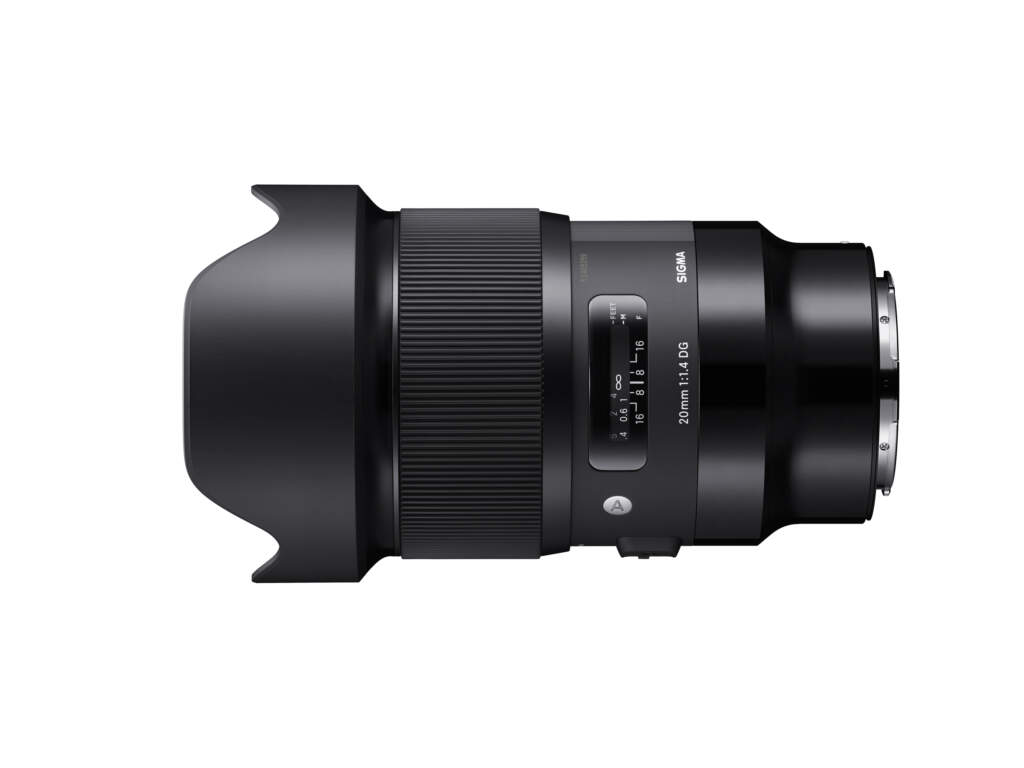
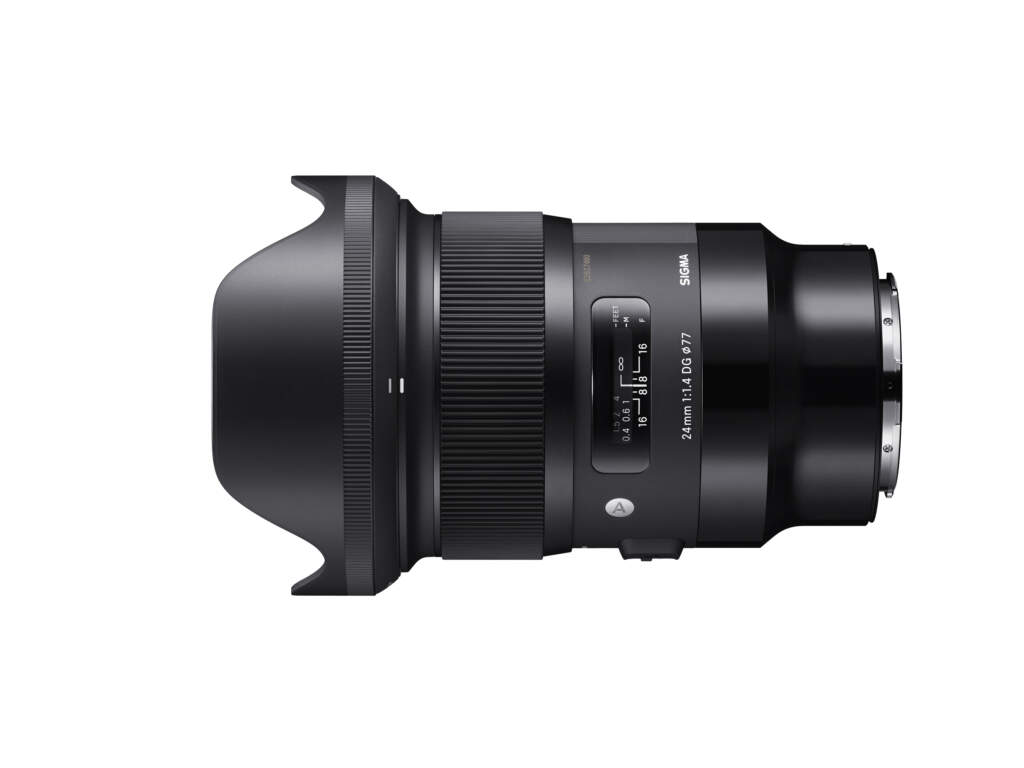
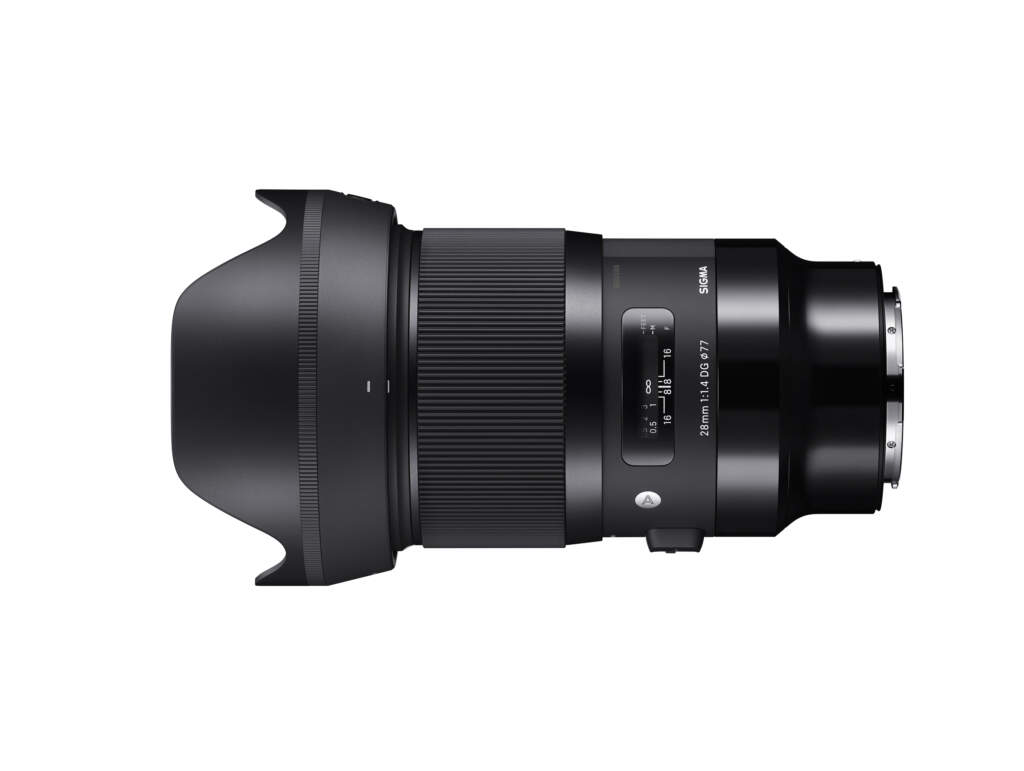
Sigma had a big day with the release of eleven new lenses and L-Mount lens adapter. Yes, you read that correctly—eleven new lenses. This Art line prime lens lineup is for full-frame, L-mount cameras. They cover a range of 14mm to 135mm and all of them feature in-camera image stabilization and aberration correction. Plus, they’re AF-C mode compatible.
Here is the full list of new Sigma interchangeable lenses for L-Mount cameras:
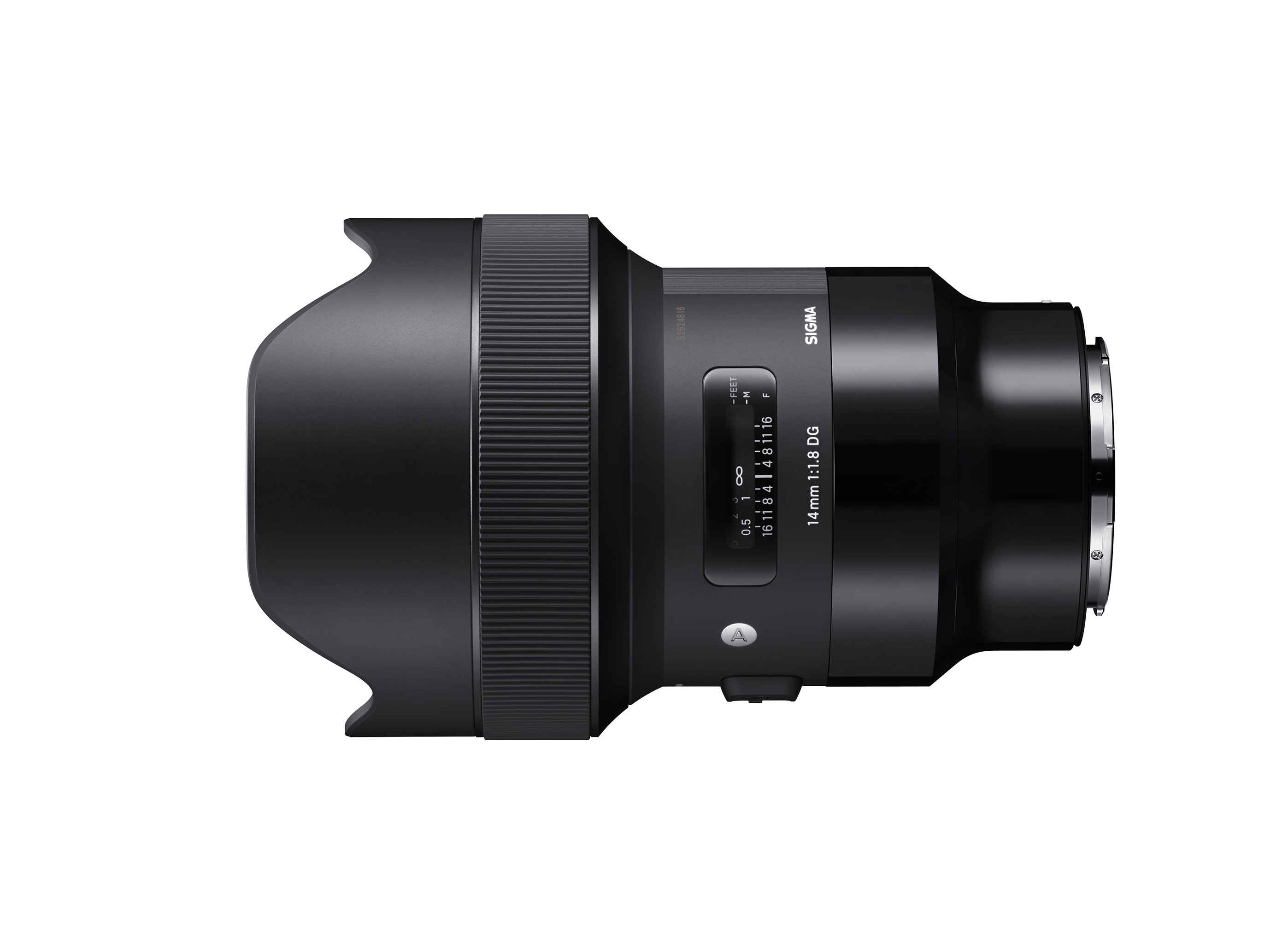
SIGMA 14mm F1.8 DG HSM | Art
SIGMA 14mm F1.8 DG HSM | Art
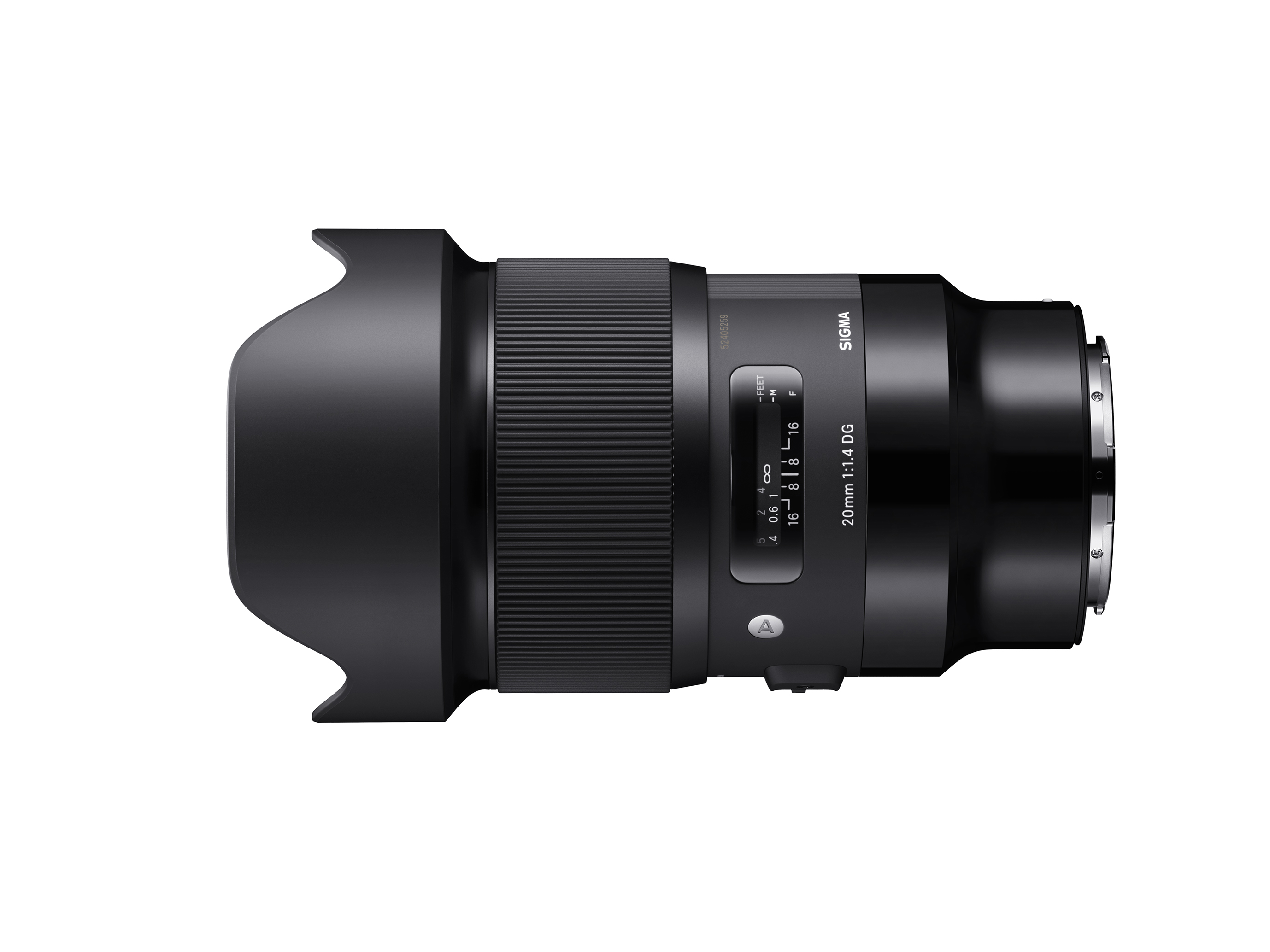
2. SIGMA 20mm F1.4 DG HSM | Art
SIGMA 20mm F1.4 DG HSM | Art
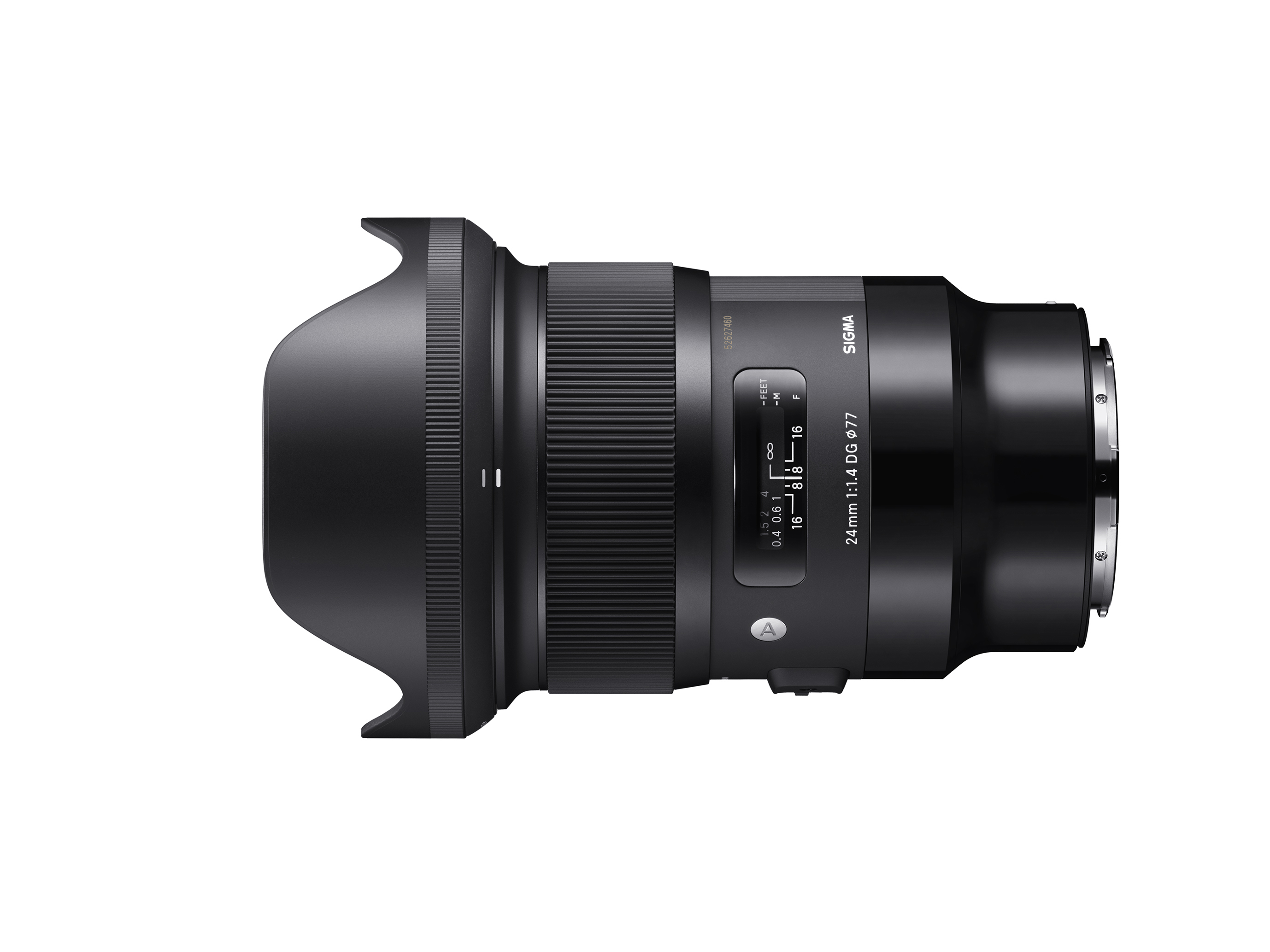
3. SIGMA 24mm F1.4 DG HSM | Art
SIGMA 24mm F1.4 DG HSM | Art
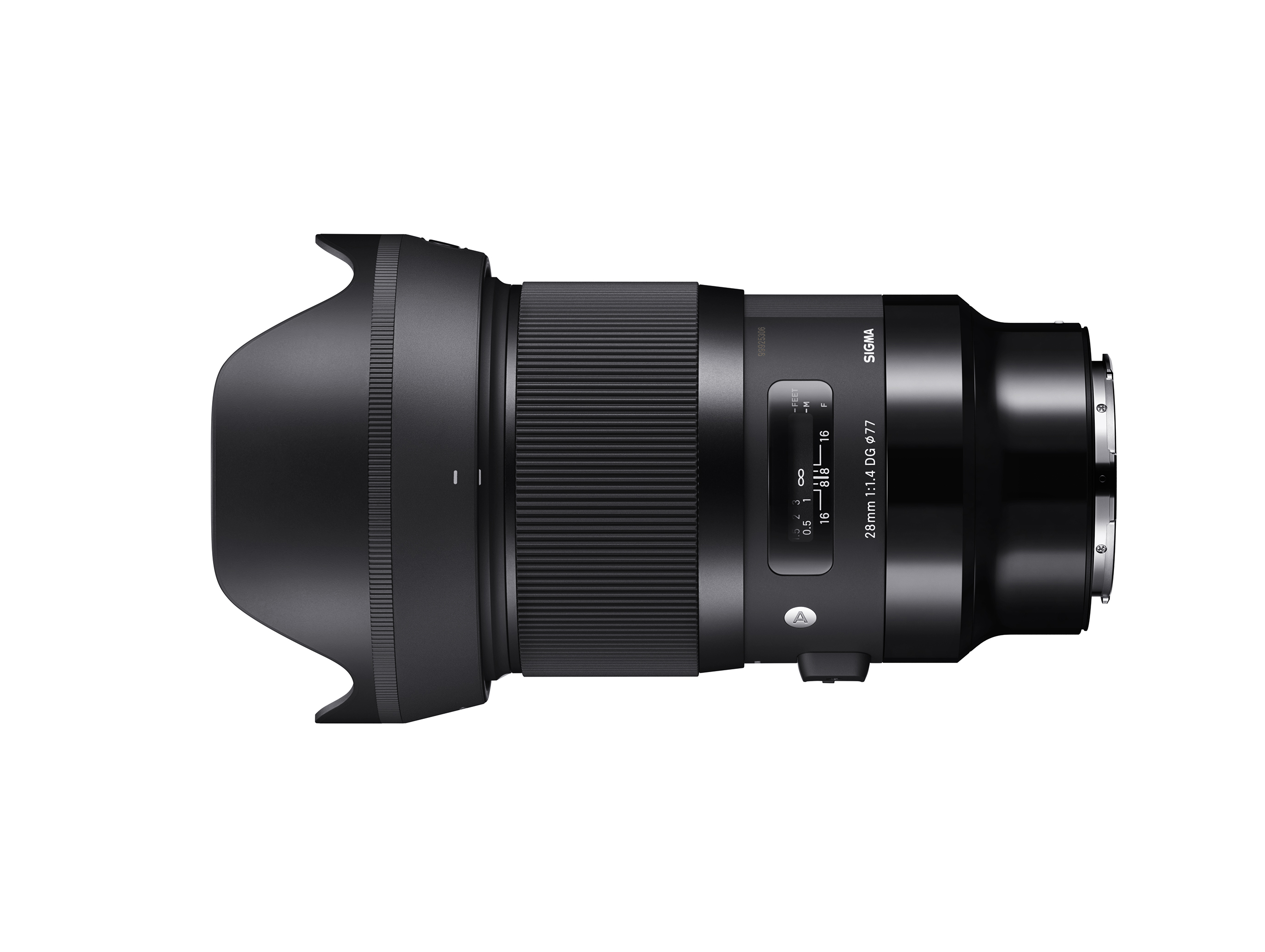
4. SIGMA 28mm F1.4 DG HSM | Art
SIGMA 28mm F1.4 DG HSM | Art
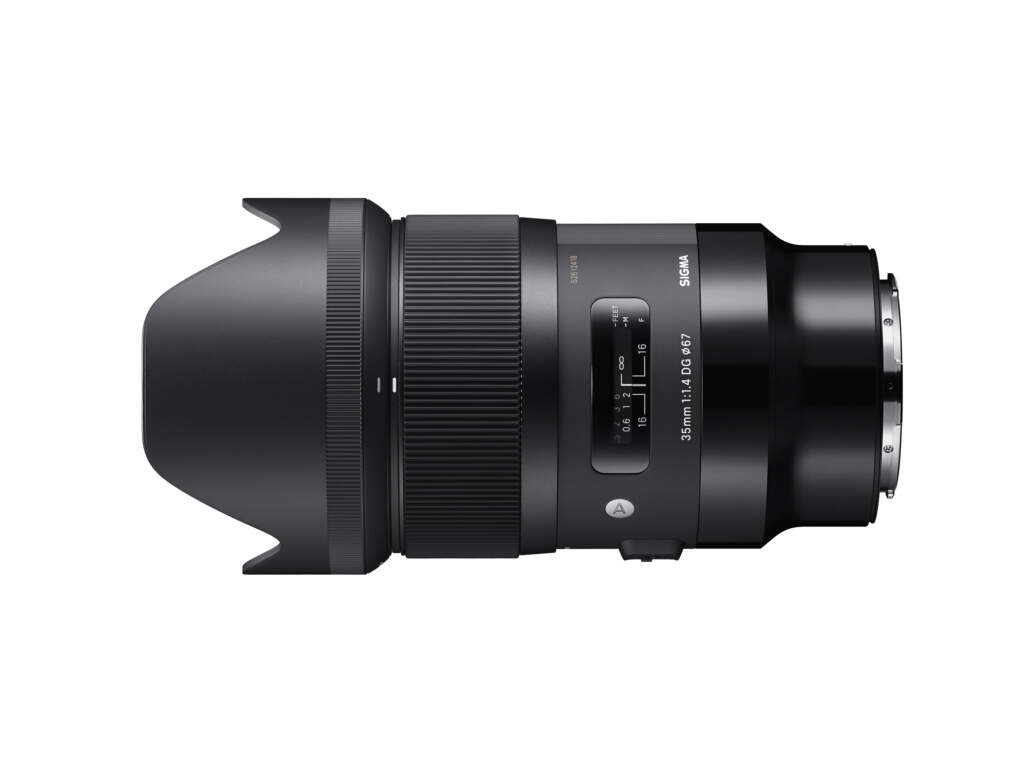
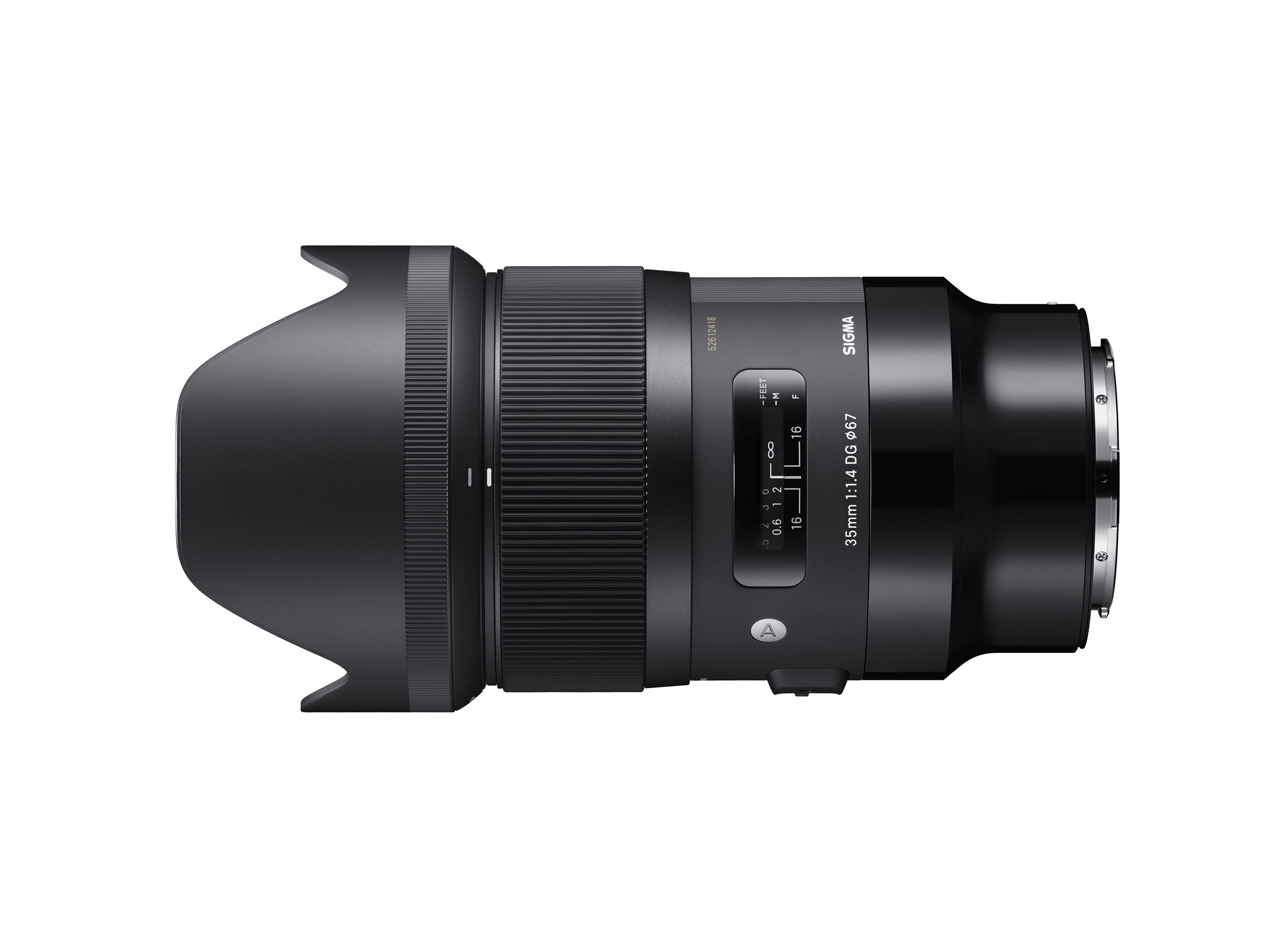
5. SIGMA 35mm F1.4 DG HSM | Art
SIGMA 35mm F1.4 DG HSM | Art
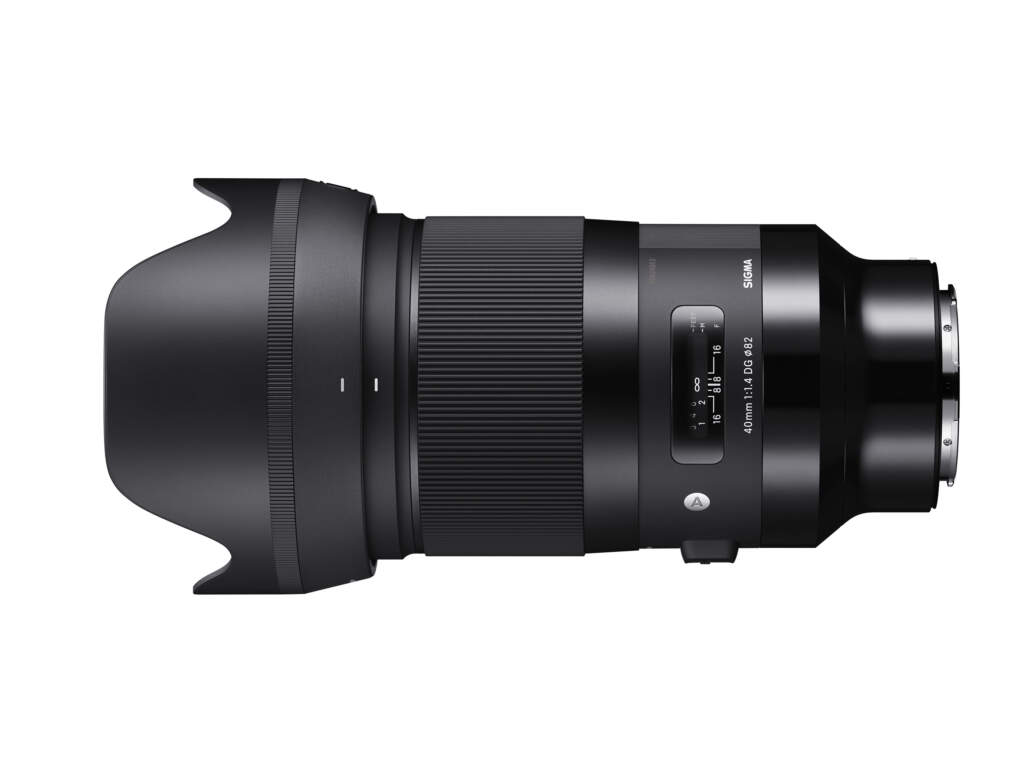
6. SIGMA 40mm F1.4 DG HSM | Art
SIGMA 40mm F1.4 DG HSM | Art
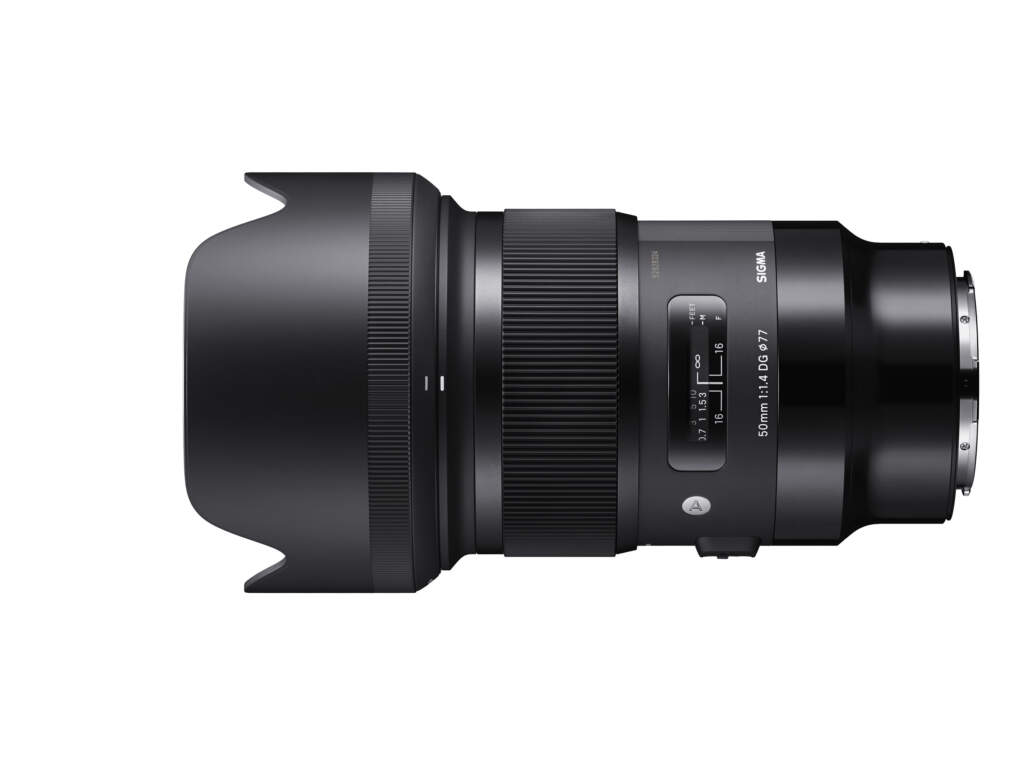
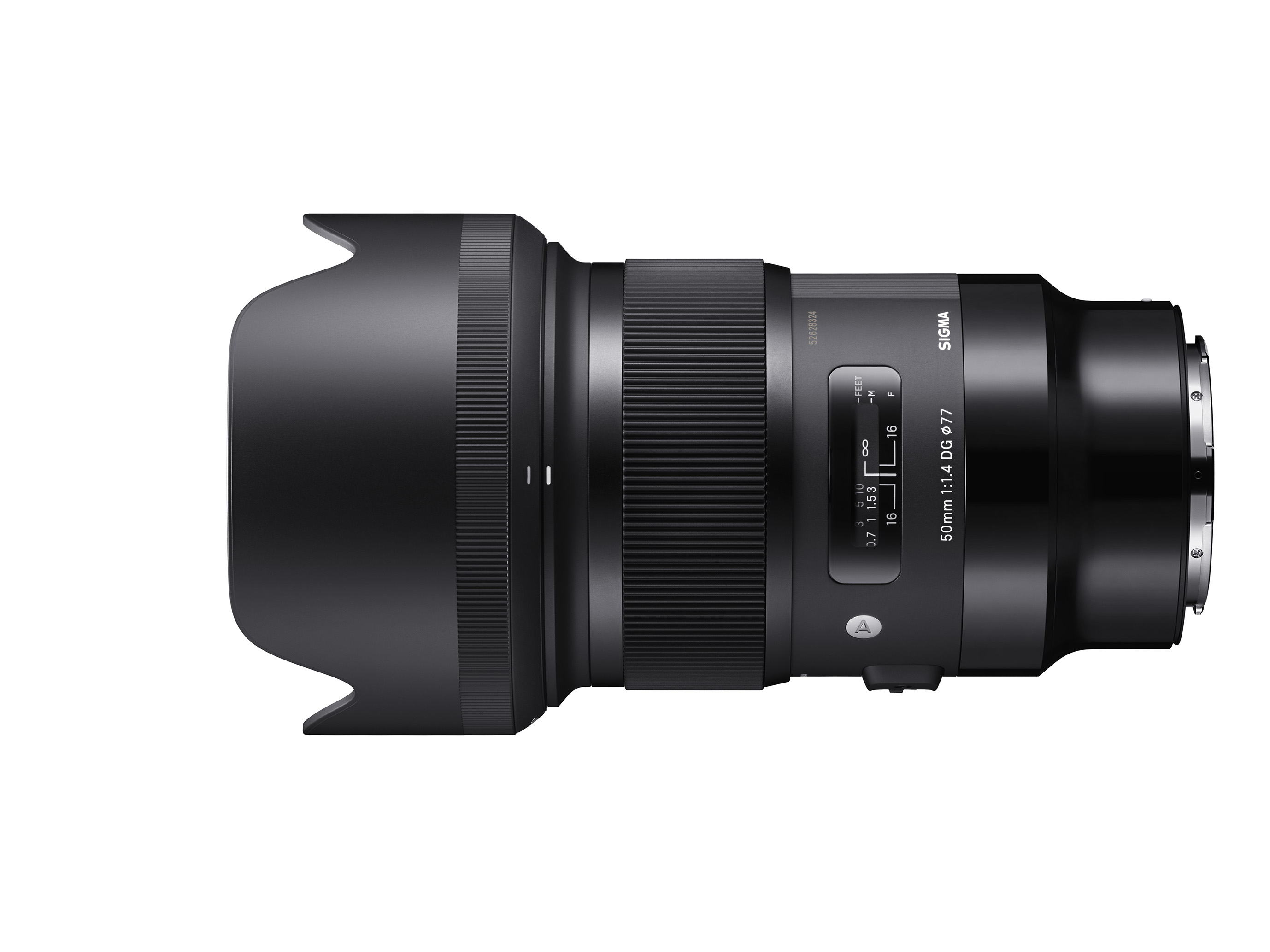
7. SIGMA 50mm F1.4 DG HSM | Art
SIGMA 50mm F1.4 DG HSM | Art
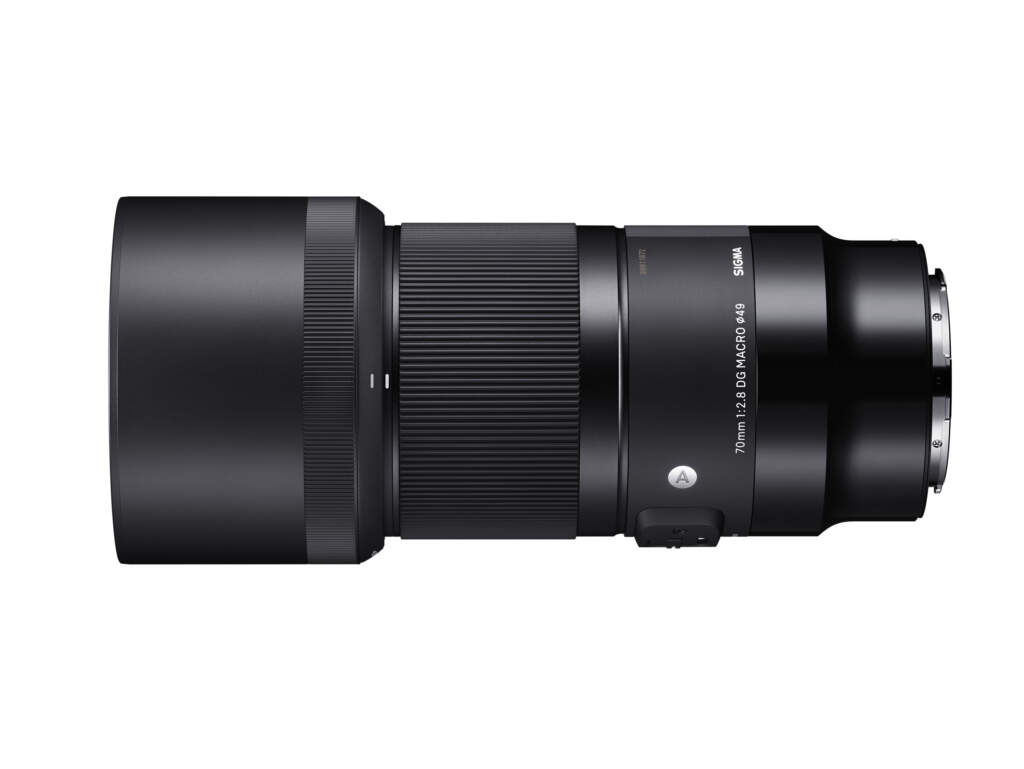
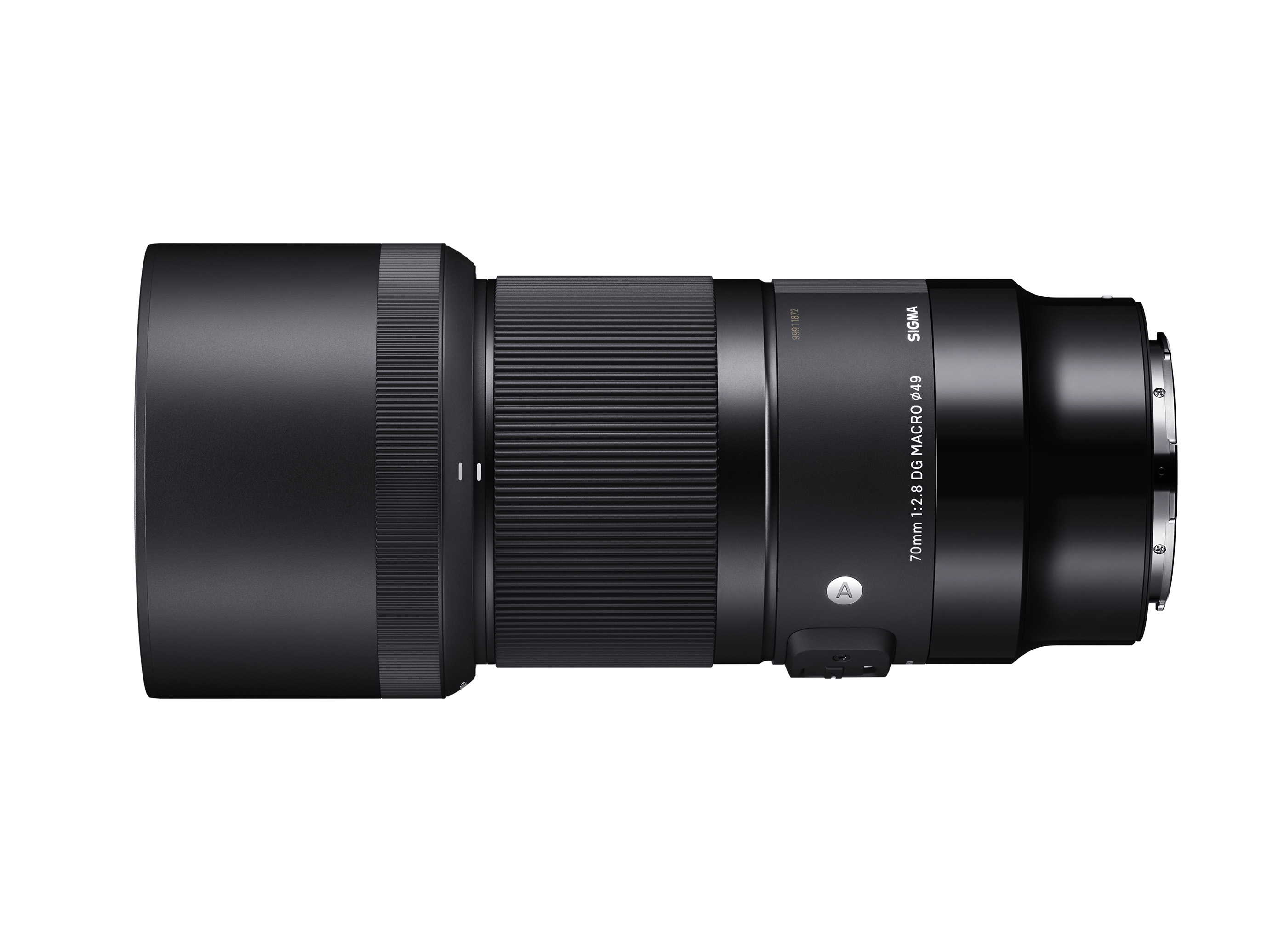
8. SIGMA 70mm F2.8 DG MACRO | Art
SIGMA 70mm F2.8 DG MACRO | Art
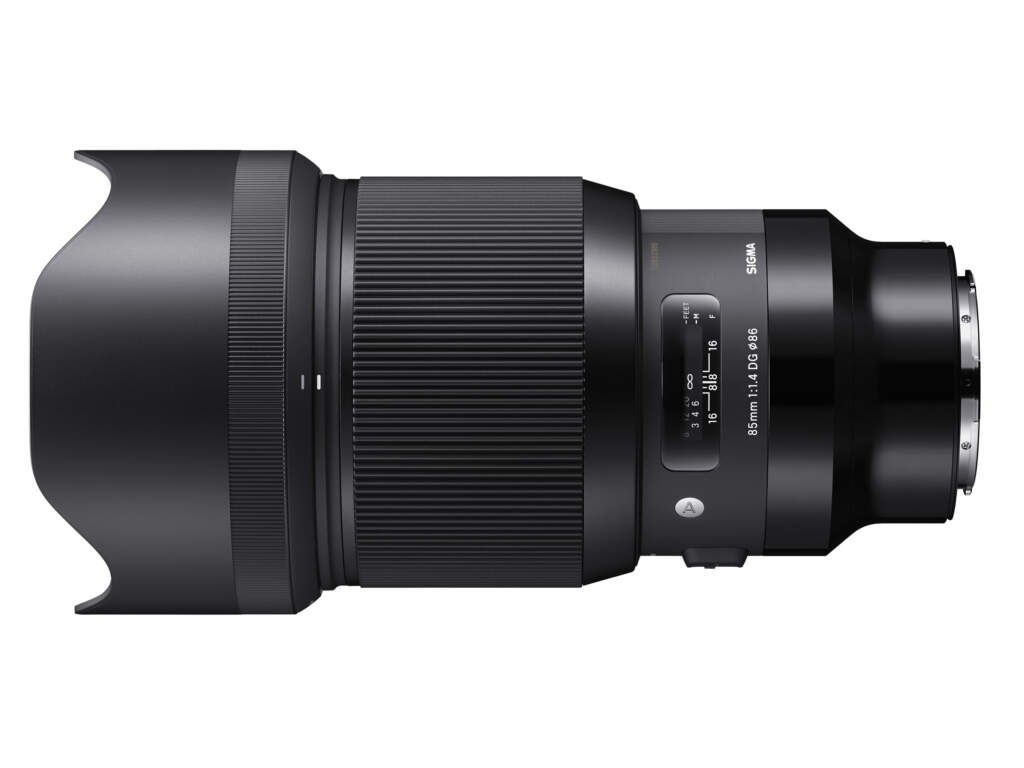
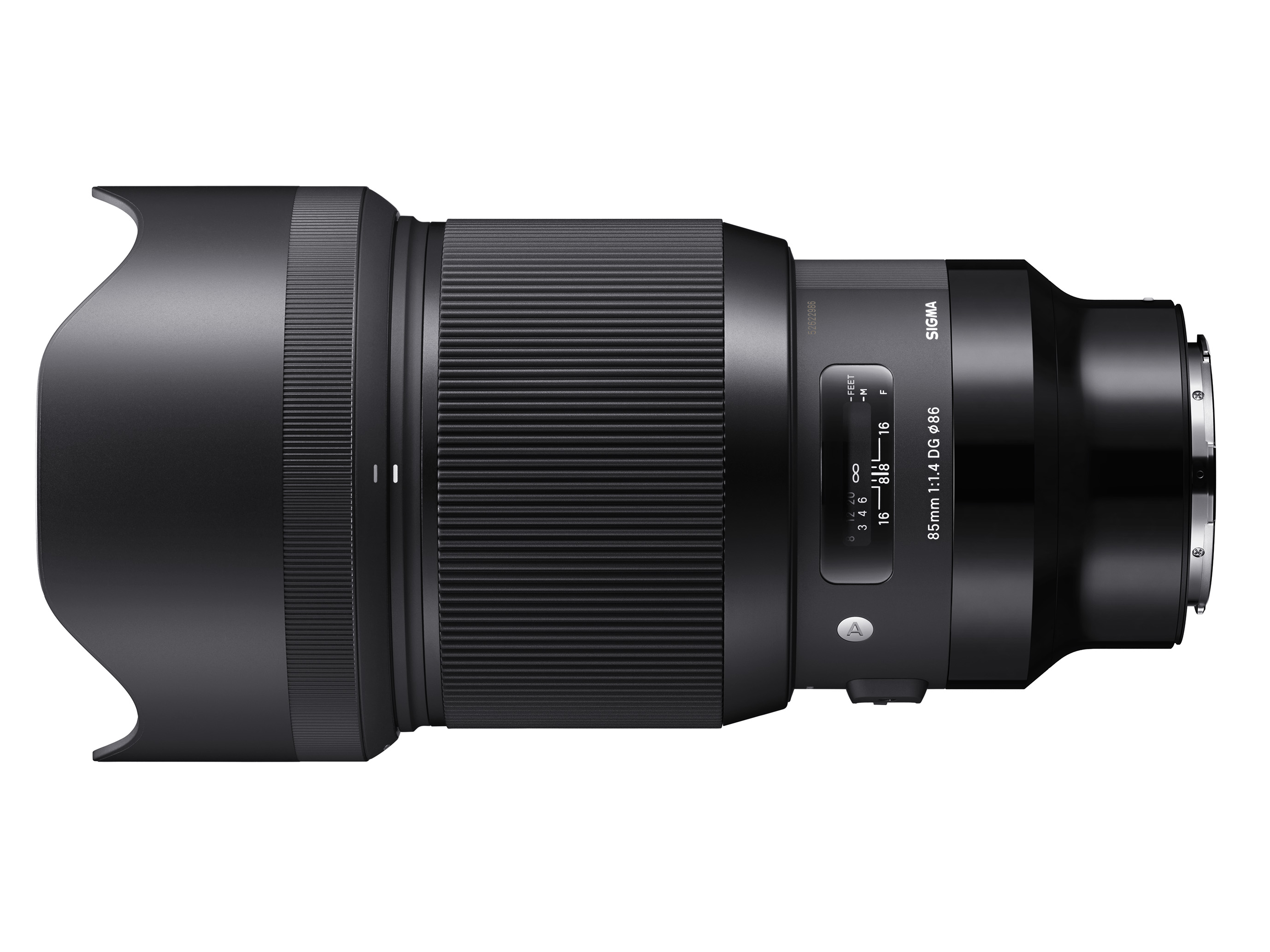
9. SIGMA 85mm F1.4 DG HSM | Art
SIGMA 85mm F1.4 DG HSM | Art
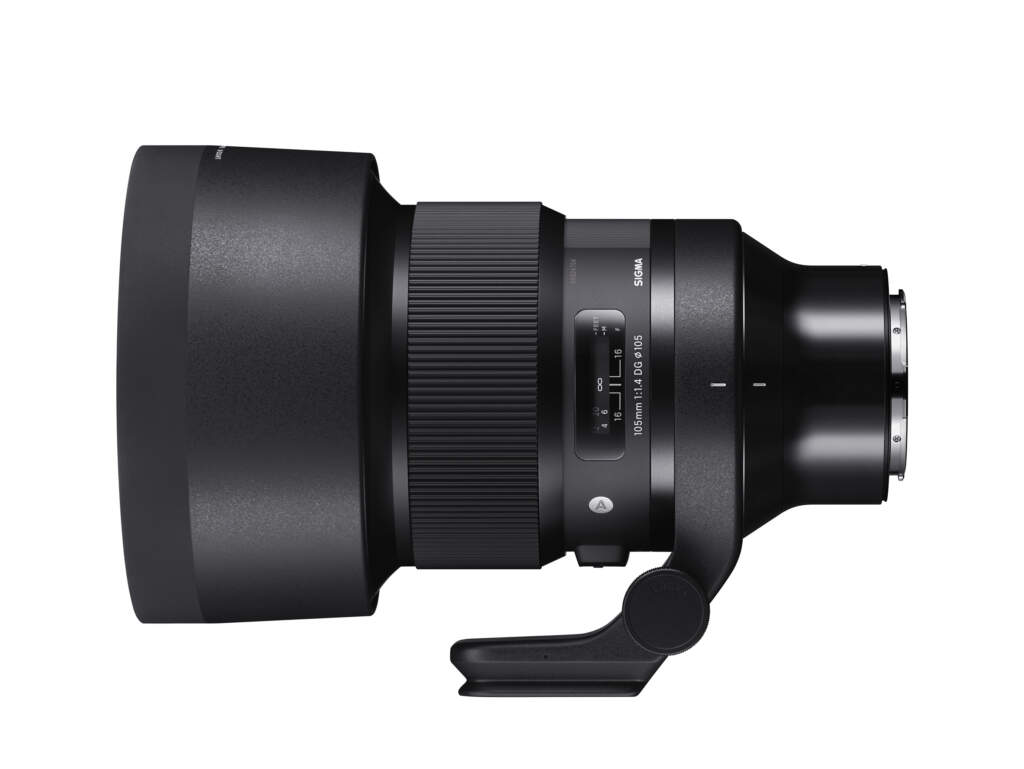
10. SIGMA 105mm F1.4 DG HSM | Art
SIGMA 105mm F1.4 DG HSM | Art
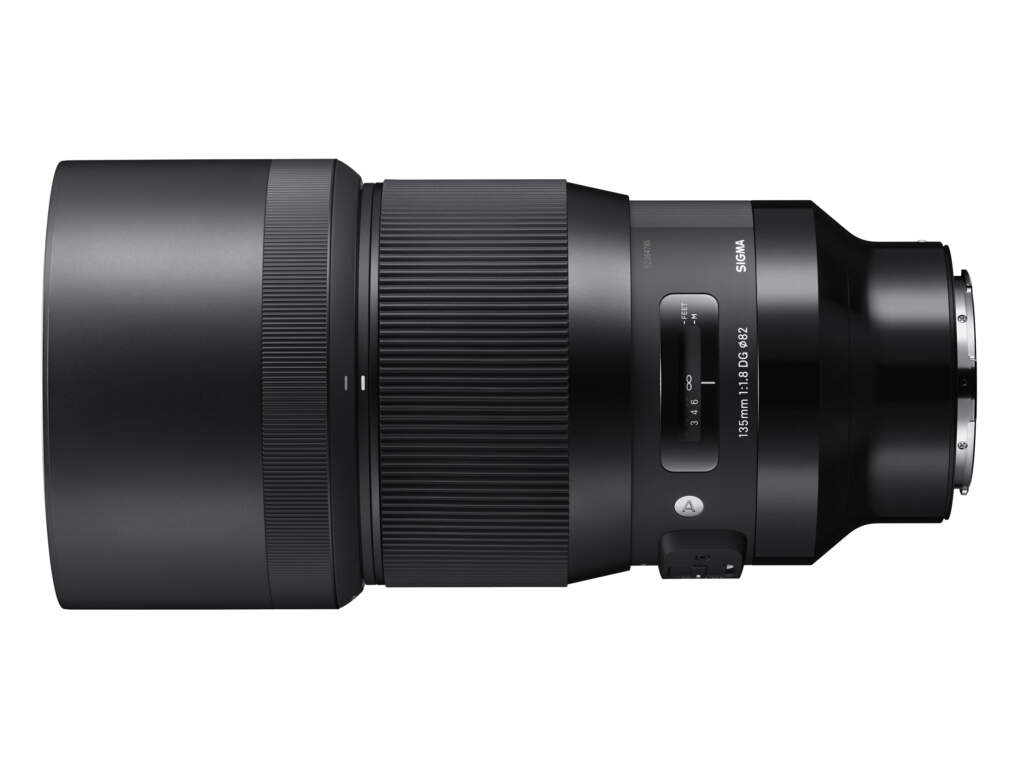
11. SIGMA 135mm F1.8 DG HSM | Art
SIGMA 135mm F1.8 DG HSM | Art
Sigma Interchangeable Lenses For L-Mount Cameras
1 of 11
SIGMA 14mm F1.8 DG HSM | Art
SIGMA 20mm F1.4 DG HSM | Art
SIGMA 24mm F1.4 DG HSM | Art
SIGMA 28mm F1.4 DG HSM | Art
SIGMA 35mm F1.4 DG HSM | Art
SIGMA 40mm F1.4 DG HSM | Art
SIGMA 50mm F1.4 DG HSM | Art
SIGMA 70mm F2.8 DG MACRO | Art
SIGMA 85mm F1.4 DG HSM | Art
SIGMA 105mm F1.4 DG HSM | Art
SIGMA 135mm F1.8 DG HSM | Art
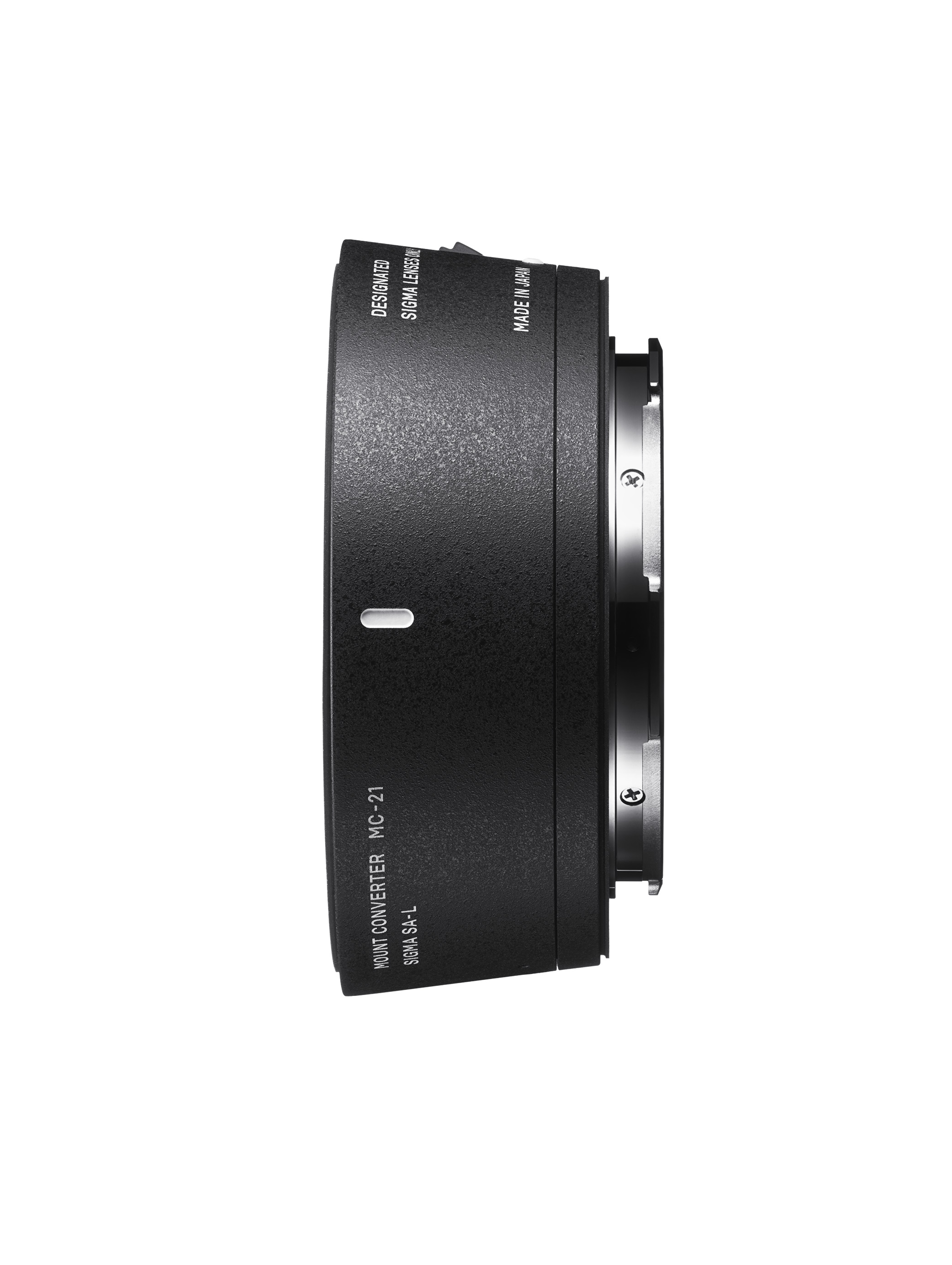
Mount Converter MC-21
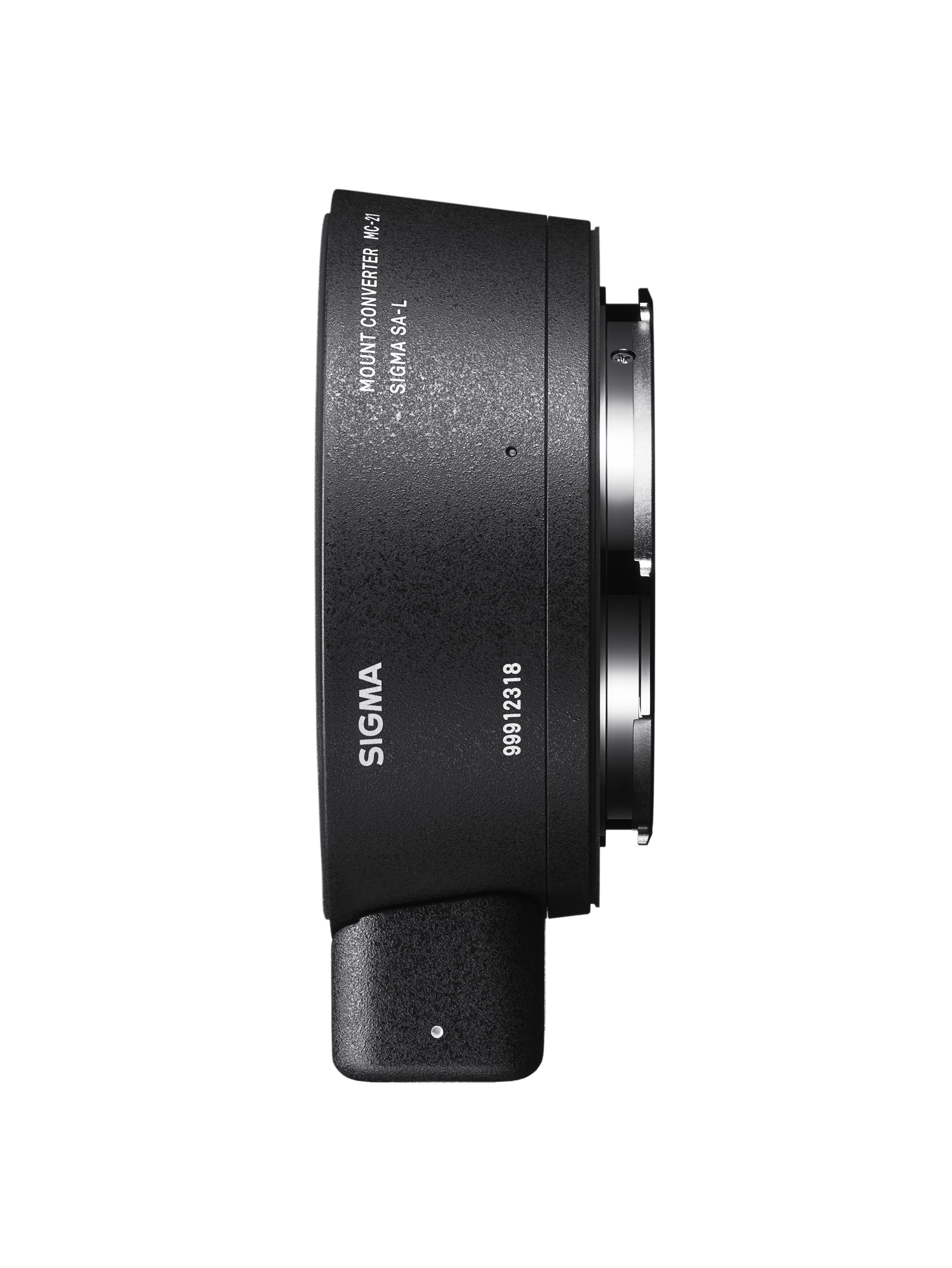
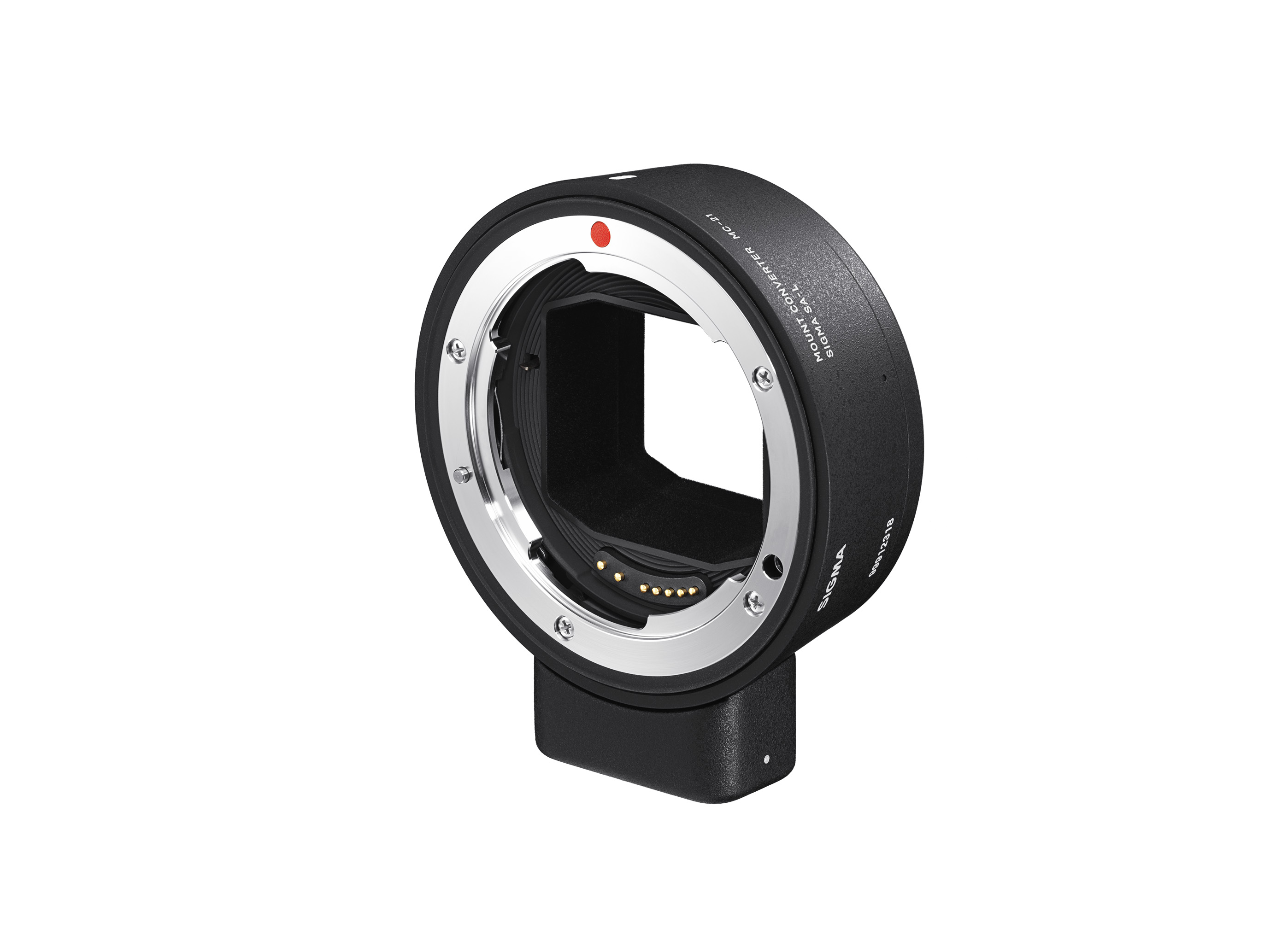
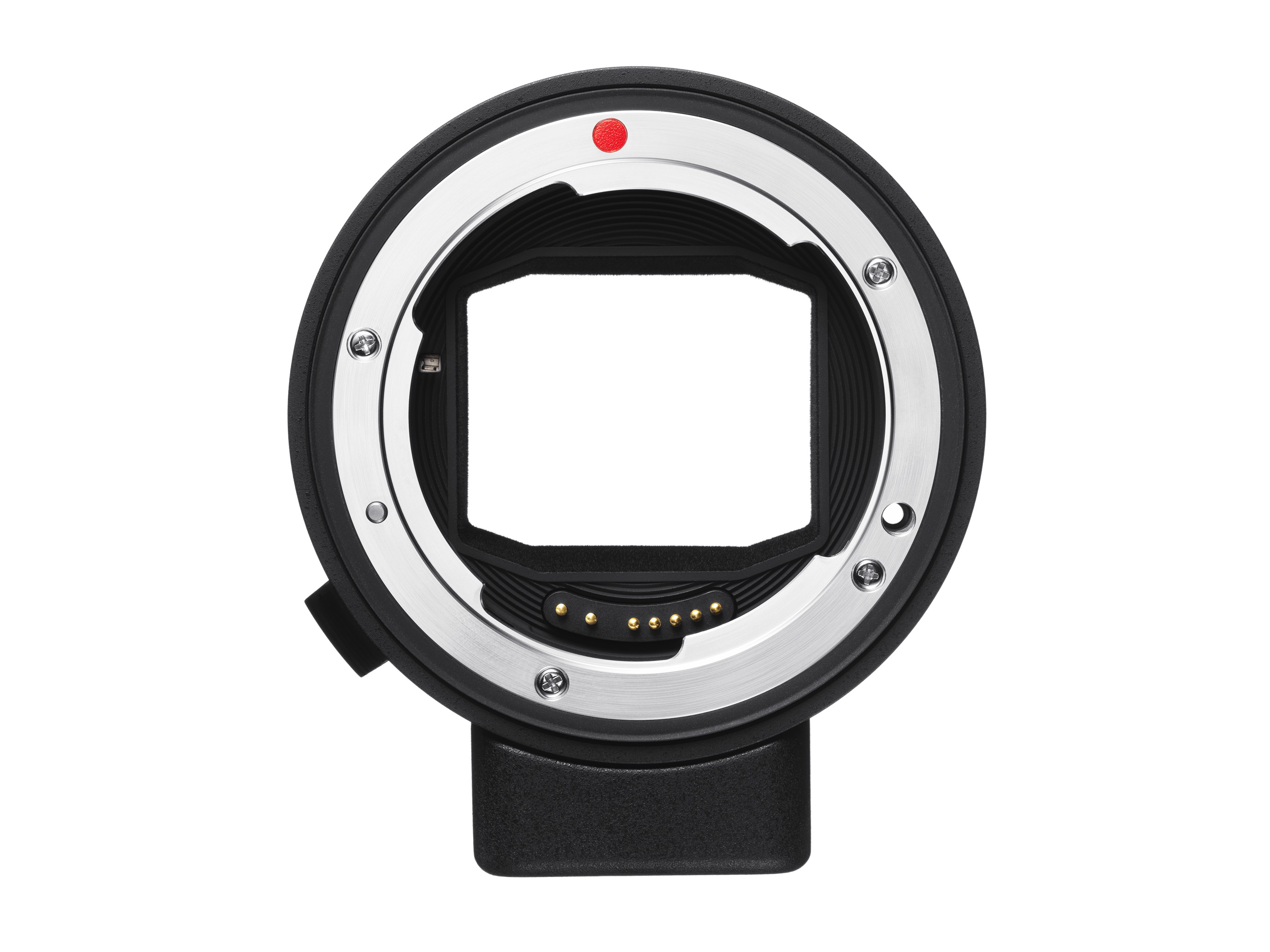
The Sigma Mount Converter MC-21 is a significant pairing with the aforementioned release. It allows Sigma’s SA mount and Canon EF mount lenses to be used on L-Mount camera bodies. This lends a lot of flexibility to photographers using L-Mount cameras from Sigma, Leica, and Panasonic.
There are 29 interchangeable lenses available for L-mount cameras that include:
Sensor Size
Product
35mm Full Frame
12-24mm F4 DG HSM | Art
14-24mm F2.8 DG HSM | Art
24-35mm F2 DG HSM | Art
24-70mm F2.8 DGOS HSM | Art
24-105mm F4 DG OS HSM | Art
60-600mm F4.5-6.3 DG OS HSM | Sports
70-200mm F2.8 DG OS HSM | Sports
100-400mm F5-6.3 DG OS HSM | Contemporary
120-300mm F2.8 DG OS HSM | Sports
150-600mm F5-6.3 DG OS HSM | Sports
150-600mm F5-6.3 DG OS HSM | Contemporary
14mm F1.8 DG HSM | Art
20mm F1.4 DG HSM | Art
24mm F1.4 DG HSM | Art
28mm F1.4 DG HSM | Art
35mm F1.4 DG HSM | Art
40mm F1.4 DG HSM | Art
50mm F1.4 DG HSM | Art
70mm F2.8 DG MACRO | Art
85mm F1.4 DG HSM | Art
105mm F1.4 DG HSM | Art
135mm F1.8 DG HSM | Art
500mm F4 DG OS HSM | Sports
ASP-C
17-70mm F2.8-4 DC MACRO OS HSM | Contemporary
18-35mm F1.8 DC HSM | Art
18-200mm F3.5-6.3 DC MACRO OS HSM | Contemporary
18-300mm F3.5-6.3 DC MACRO OS HSM| Contemporary
50-100mm F1.8 DC HSM | Art
30mm F1.4 DC HSM | Art
SIGMA MC-21
1 of 4
Sony
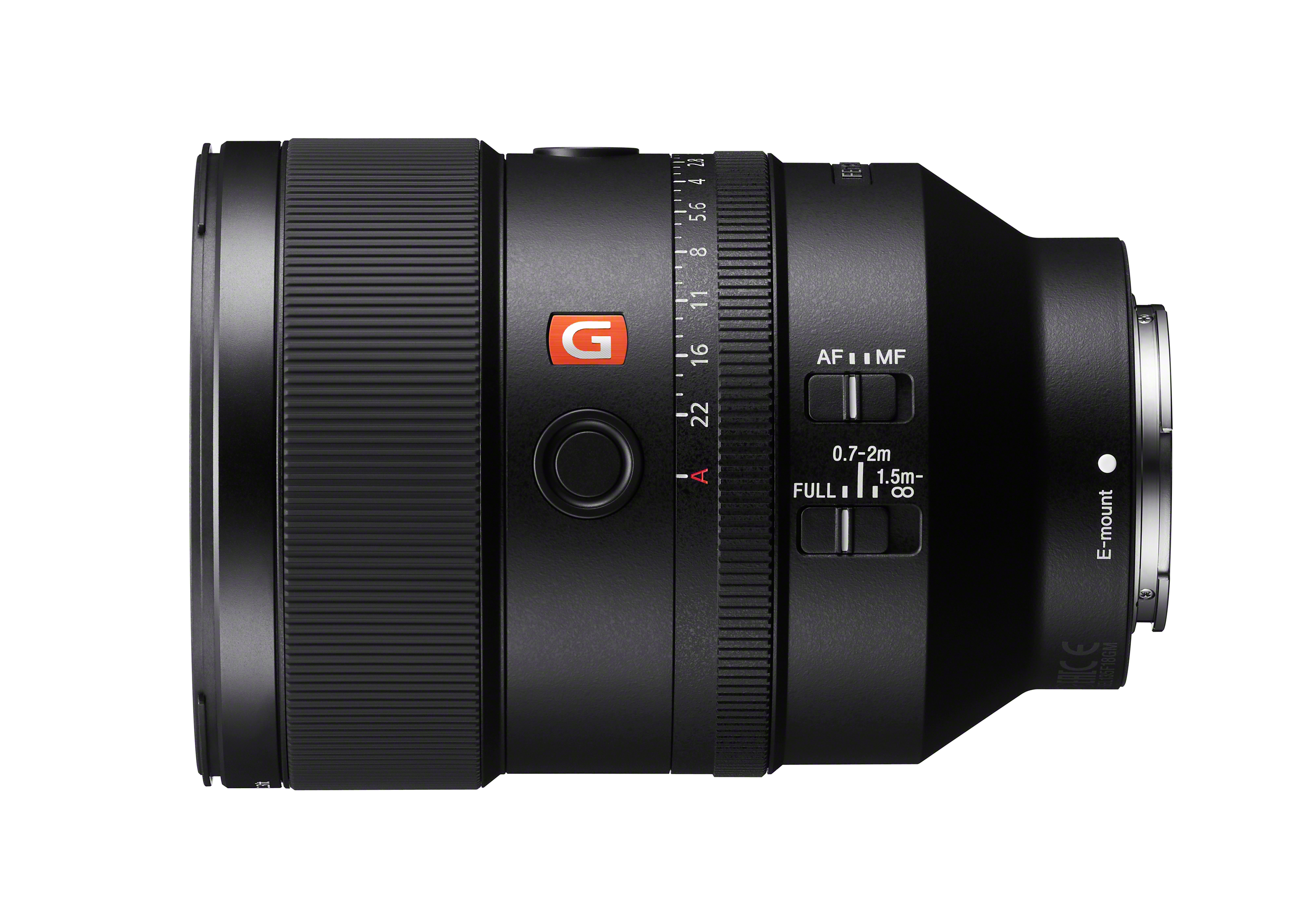
135mm Full-Frame G Master Prime Lens
This 135mm full-frame F1.8 lens provides an extremely narrow depth of field and exceptional bokeh. It has XA (extreme aspherical), Super ED (extra-low dispersion), and ED glass elements in the front of the group to eliminate aberrations and keeps crystal-clear focus from corner to corner. The result is stunning G Master Bokeh, minimal color fringing, and impressive sharpness.
135mm Full-Frame G Master Prime Lens
1 of 2
It’s also worth taking a moment to highlight this lens’s autofocus capabilities. It has four XD (extreme dynamic) linear focus motors that drive two synchronized focus groups. Together, they offer outstanding speed, precision, tracking, and noise cancelation. It also nearly eliminates the aberration variations that occur when shooting a moving subject; instead, it maintains optimal resolution throughout the focal range.
Sample Photos | 135mm Full-Frame G Master Prime Lens
1 of 7
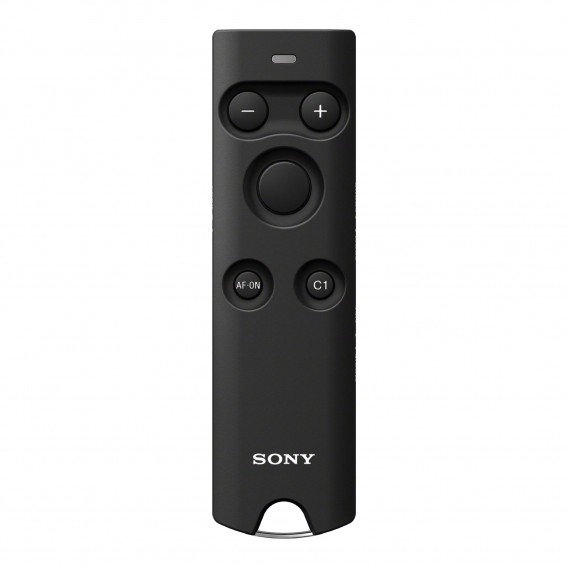
Sony RMT-P1BT Wireless Bluetooth Remote Commander
While most new cameras pair with smartphone apps to take remote photos, they don’t give you the same level of control that this remote does. Highlights include focus buttons for manual control over subtle focal changes and a “custom” settings button that can be pre-set based on your shooting preferences. It also includes Start/Stop movie recording and control over power-zoom or digital-zoom functionality.
Nikon
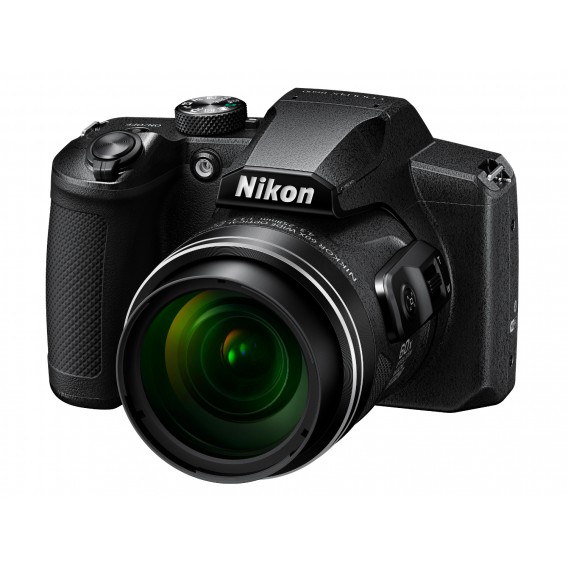
Coolpix B600
The Coolpix B600 is Nikon’s latest addition to its line of bridge cameras. Nikon’s powerful EXPEED image-processing engine combined with its high-performance NIKKOR lens makes it a powerful solution for new photographers. In terms of notable specs, the B600 offers an impressive 60x optical zoom and shoots full HD 1080/60i (50i) videos.It also has 19 shooting modes to accommodate any situation, a snap-back zoom button, and connects seamlessly with the SnapBridge smartphone app so you can share content instantly.
Nikon COOLPIX B600 Camera
1 of 3
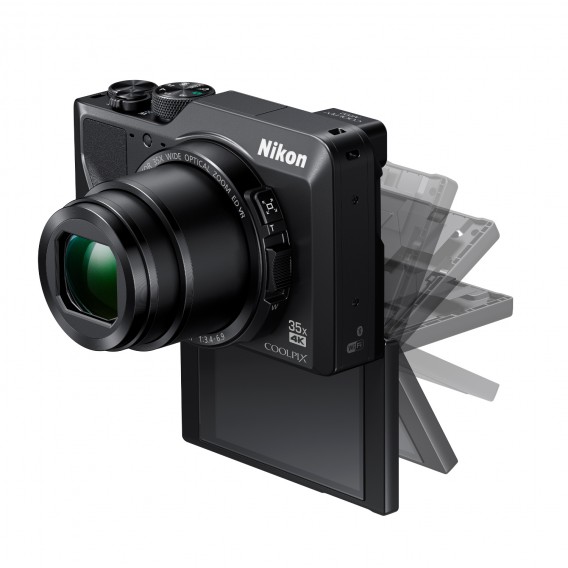
Coolpix A1000
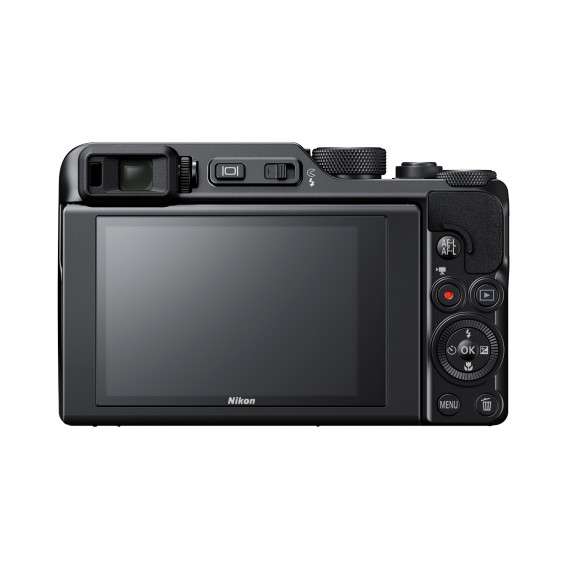
This sleek Coolpix A1000 point and shoot features a respectable 16MP CMOS sensor and an ISO sensitivity range of 100-6400. This is the perfect grab-and-go travel camera if you’re going hiking or exploring a city and aren’t interested in lugging around a larger body. It has 35x optical zoom for those hard-to-get nature close-ups and 4K ultra HD video for when photos just aren’t enough to capture the moment. It also features a handy 3” tilting LCD touchscreen for taking perfect selfies.
Nikon COOLPIX A1000 Digital Camera
1 of 3
Ricoh
Theta Z1
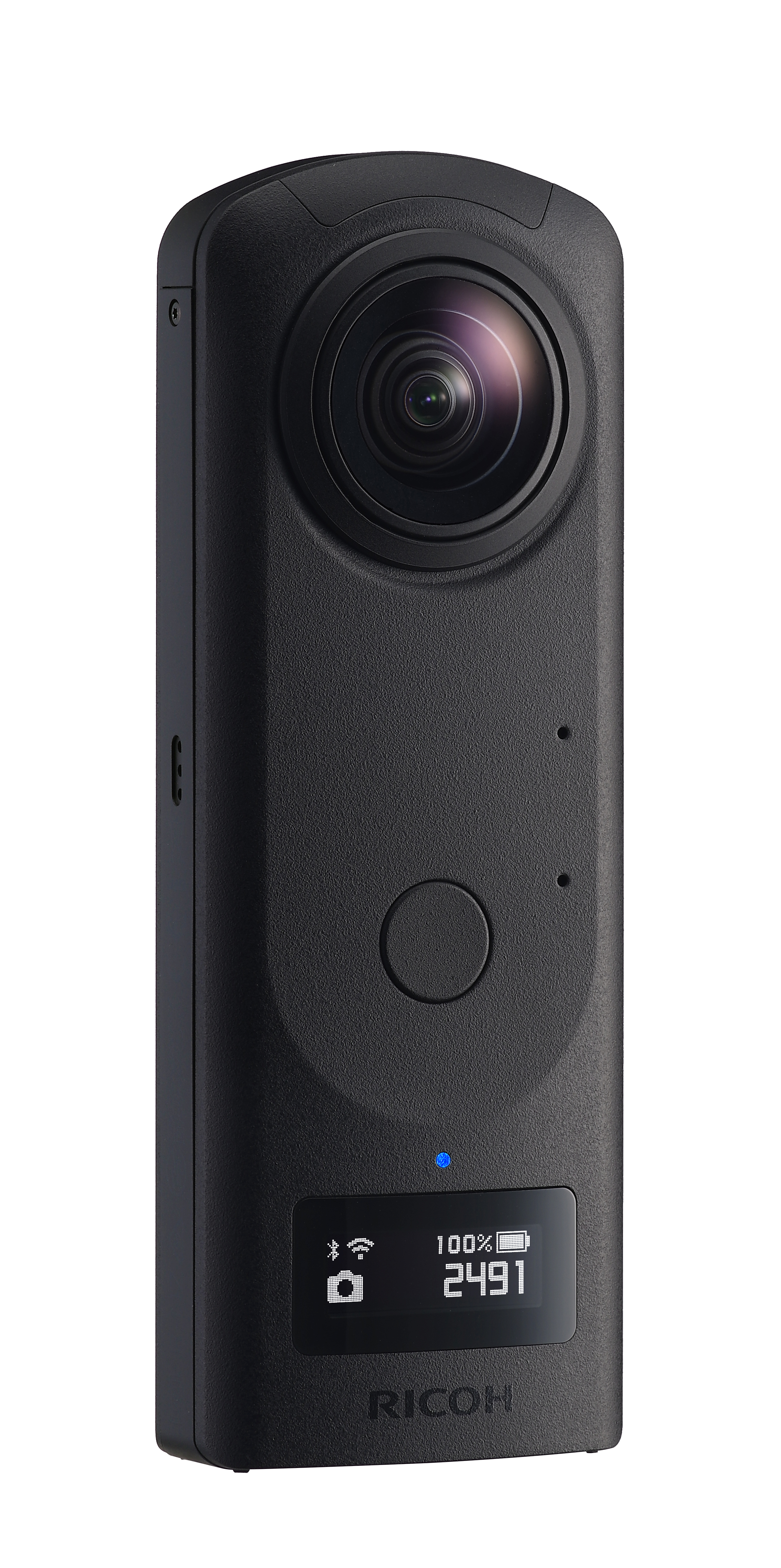
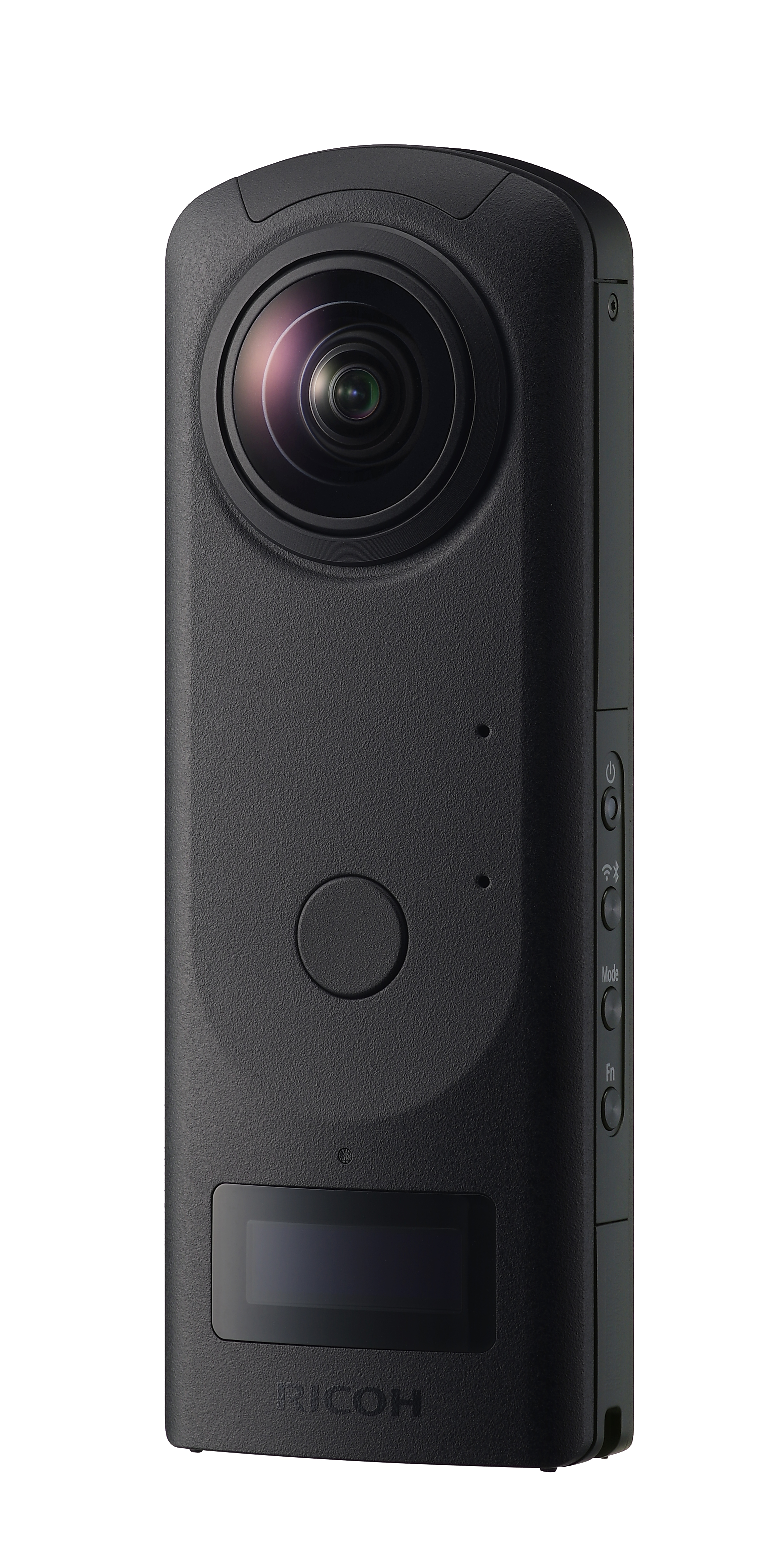
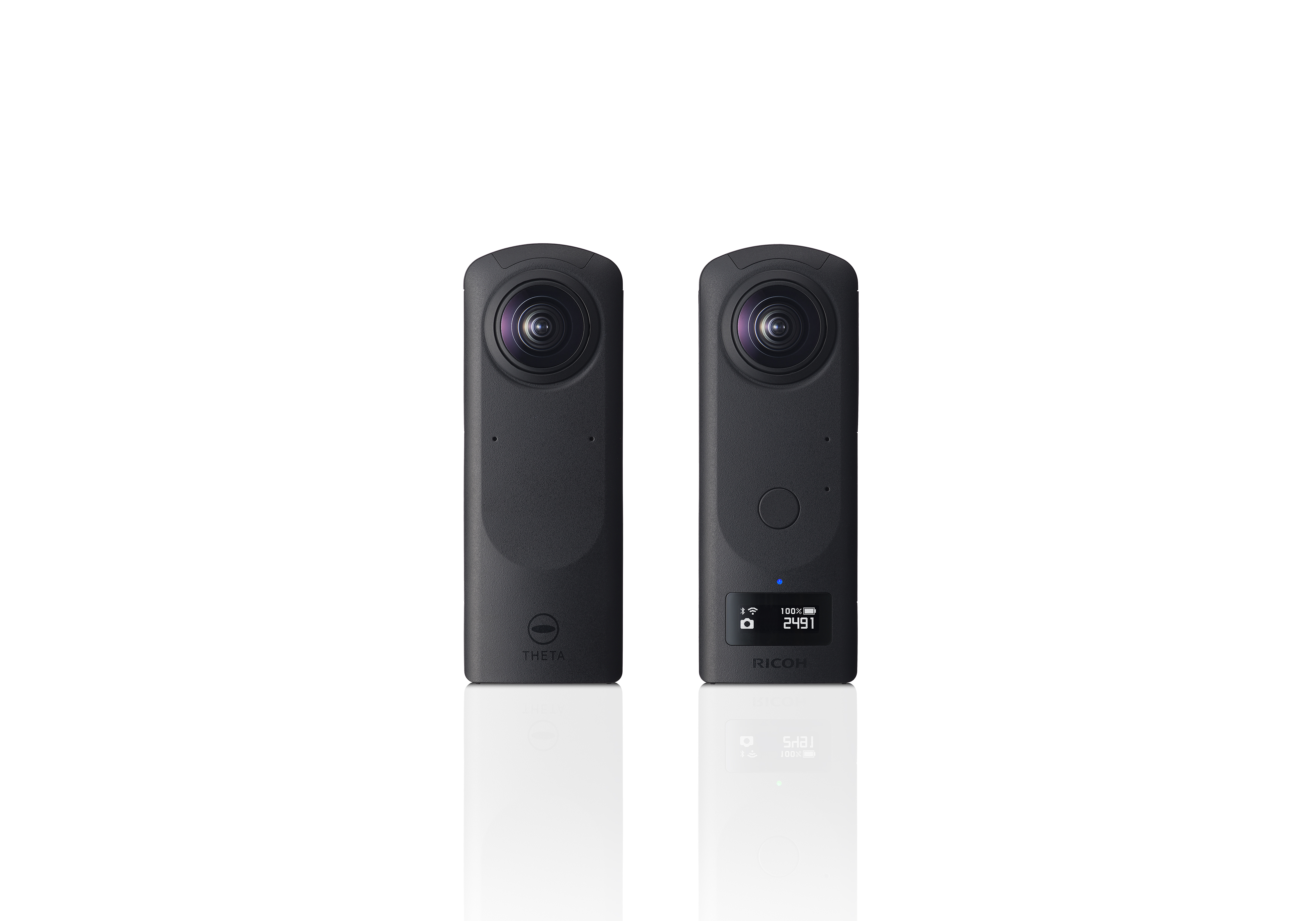
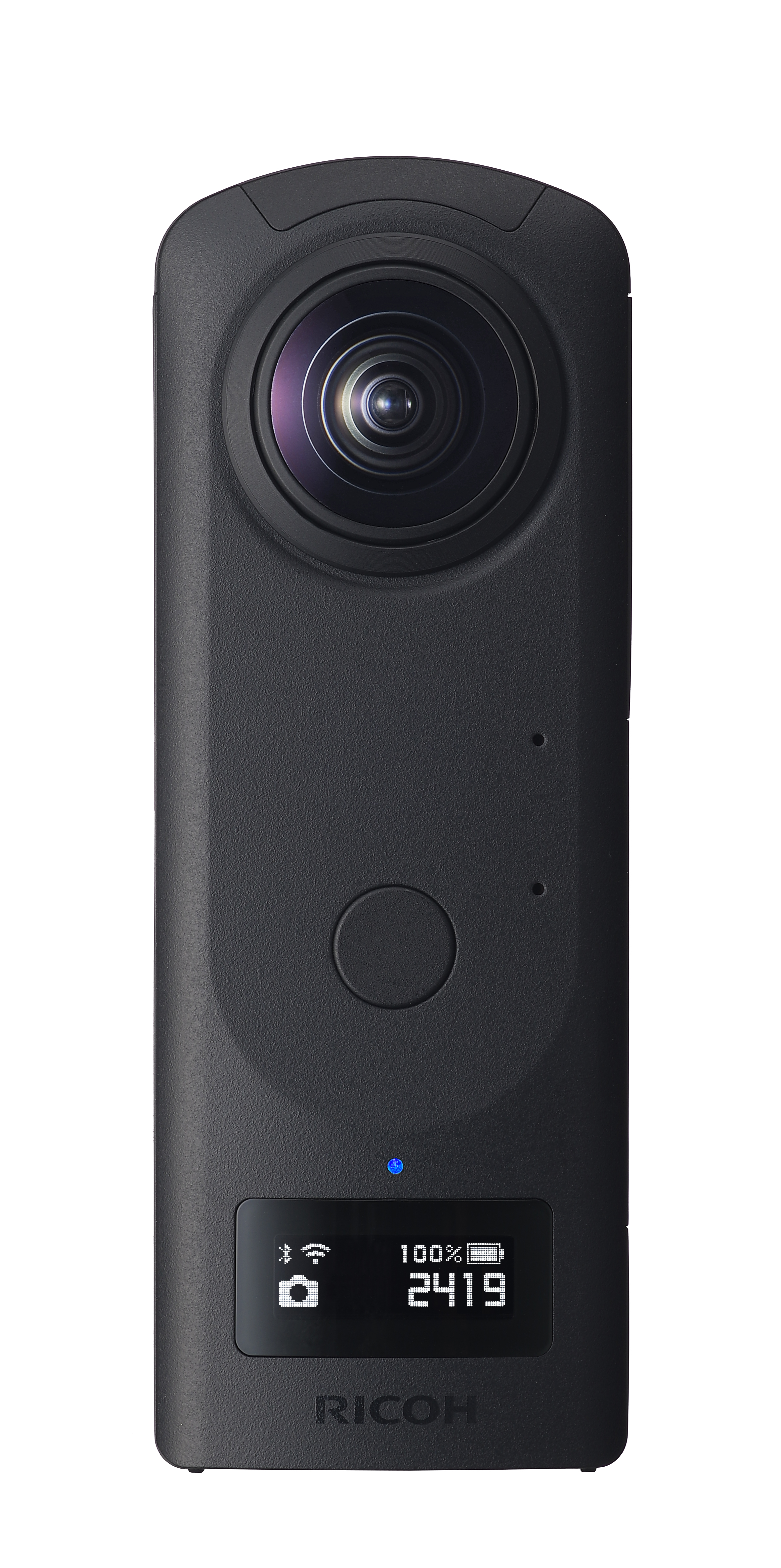
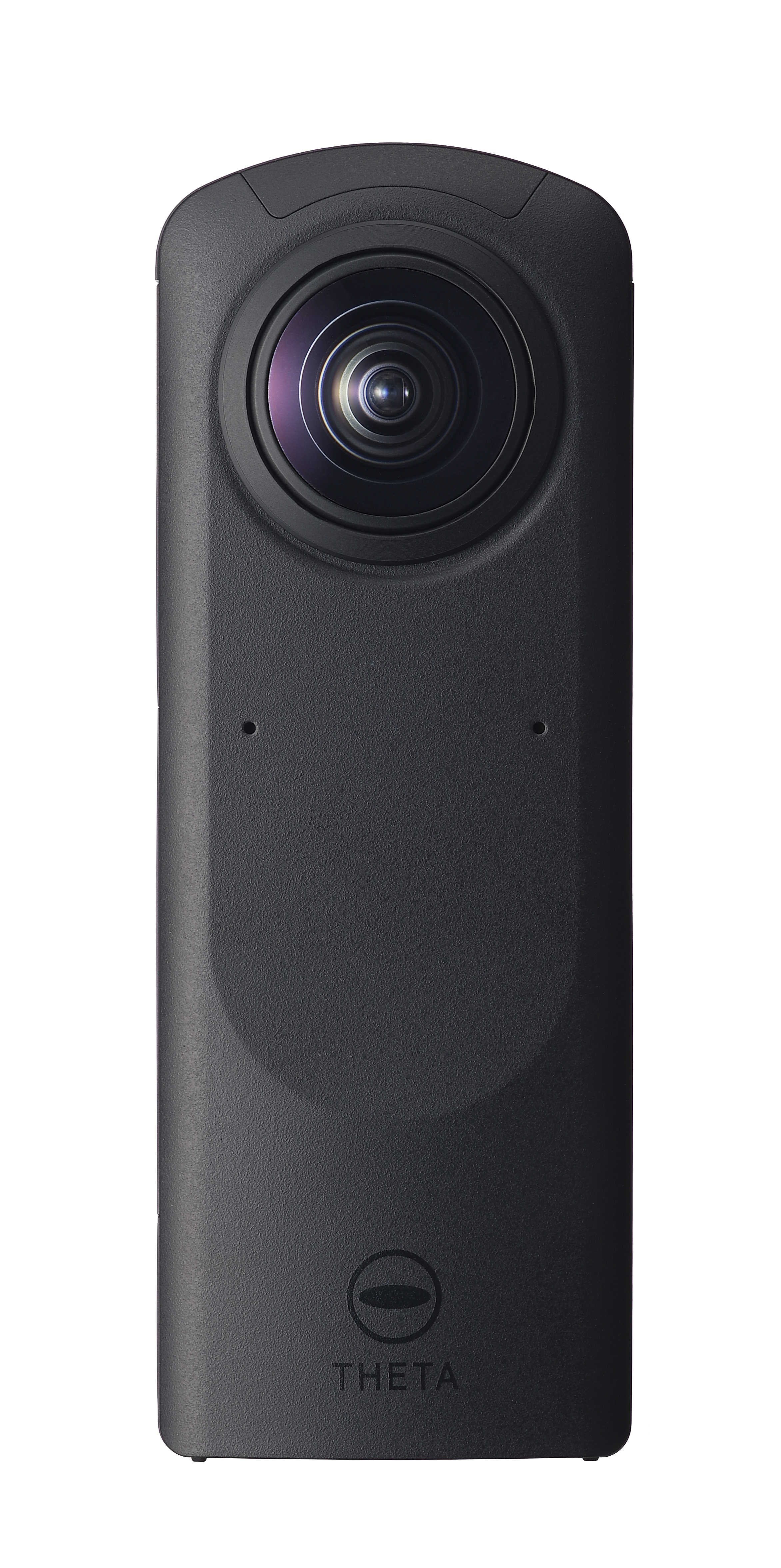
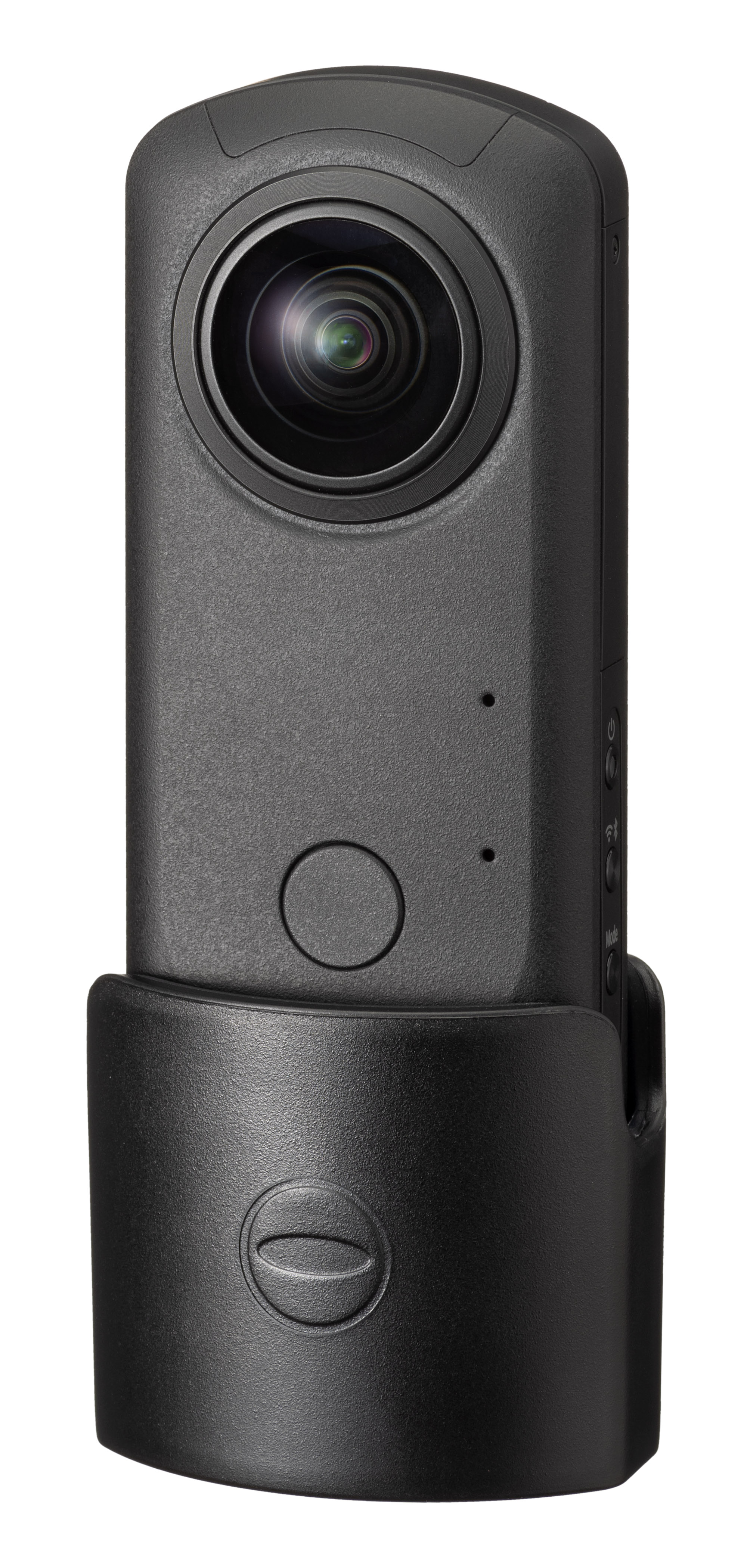
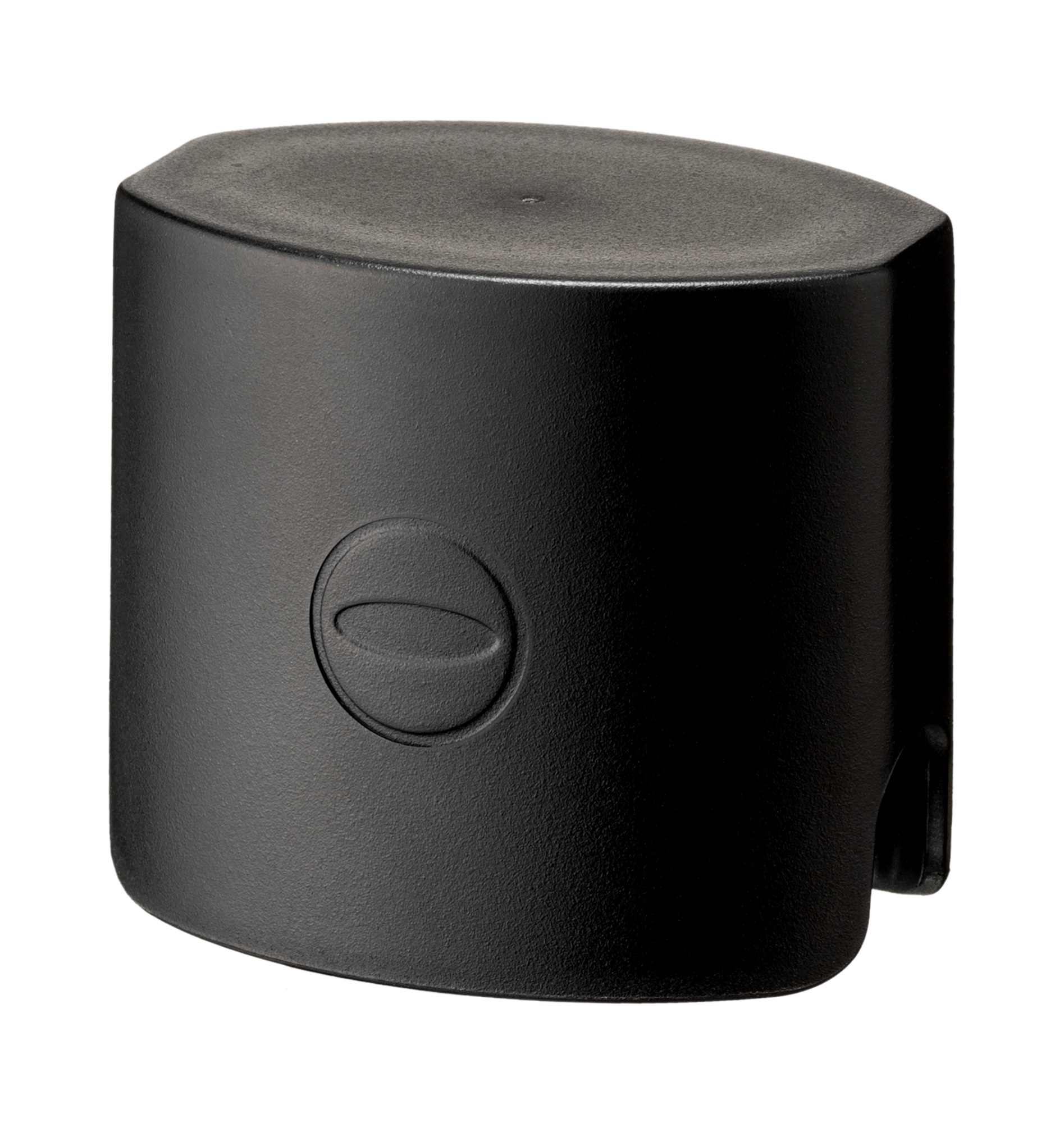
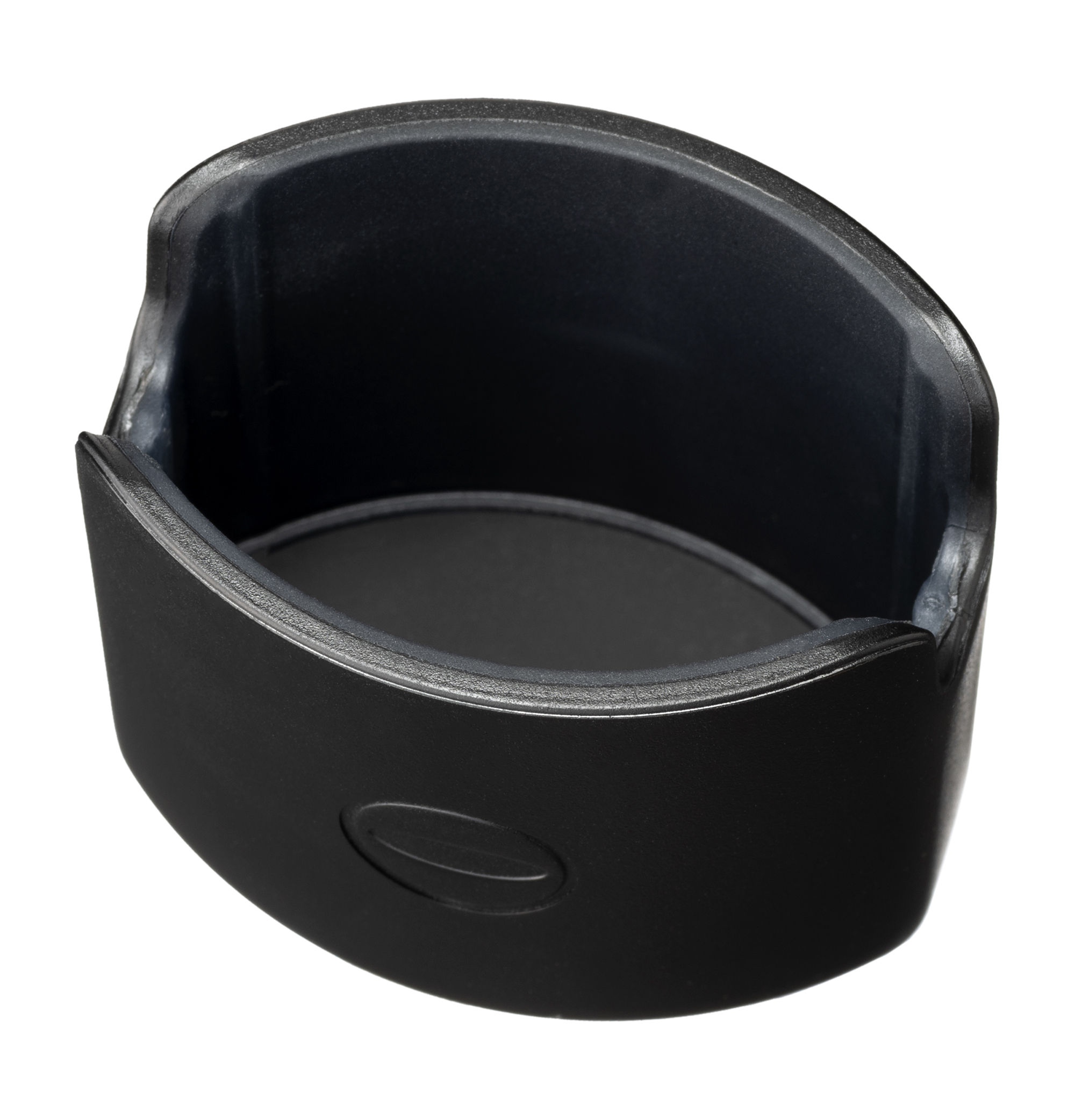
The Ricoh Theta Z1 is the latest addition to the company 360° camera line. Its newly developed lens, 1-inch back-illuminated 22.5MP CMOS sensors, and image processing algorithms create beautiful still images in 7K resolution. It’s also the first Theta to support RAW DNG capture. If you’re interested in video and live streaming, the Theta Z1 can record 360° footage in 4K at 30 fps and is equipped with a 4-channel microphone.
In addition to being pocket-sized (it only weighs 182g), the Z1 is packed with new features and a range of shooting modes including aperture priority, HDR rendering, interval composite shooting, and multi-bracket shooting for taking continuous shots.
Ricoh Theta Z1
1 of 15
Front On
Front Off
Scale
Selfie Stick Attachment
Front & Back
Right Side
Left Side
Front
Back
Top
Bottom
1 Stand
2 Stand
Stand Without Ricoh Theta Z1
2 Stand Without Ricoh Theta Z1
Tamron
SP 35mm F/1.4 Di USD
This year is the 40th anniversary of Tamron’s SP series. To celebrate, the company released the new SP 35mm F/1.4 Di USD for Canon and Nikon mounts. This fixed focal length lens is a culmination of the optical technology and craftsmanship Tamron has developed over the last four decades. This lens provides high-resolution image quality and beautiful background bokeh along with a fast aperture and high-speed, precision AF. All in all, it’s an ideal combination of operability and durability making it a perfect everyday lens.
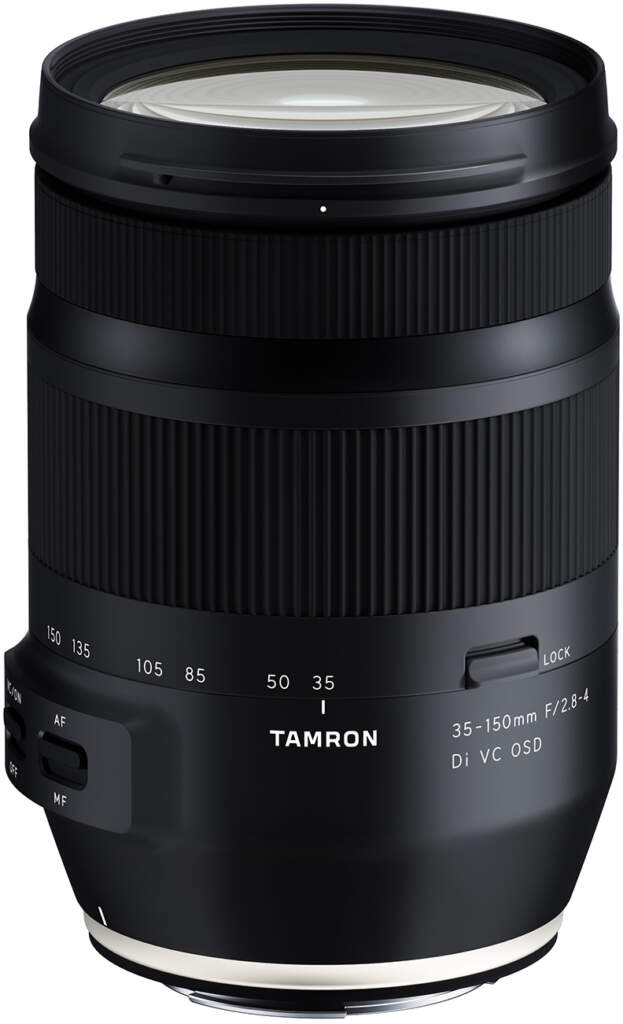
35-150mm f2.8-4 Di VC OSD
35-150mm F/2.8-4 Di VC OSD
The Tamron 35-150mm F/2.8-4 Di VC OSD is a fast, compact portrait zoom lens designed for quick adjustments and easy transportation. It features a zoom that extends from 35mm to 150mm and an optimal 85mm focal length. As for the internal components, this model has low dispersion glass elements and aspherical segments that help prevent optical aberrations.
35-150mm f2.8-4 Di VC OSD
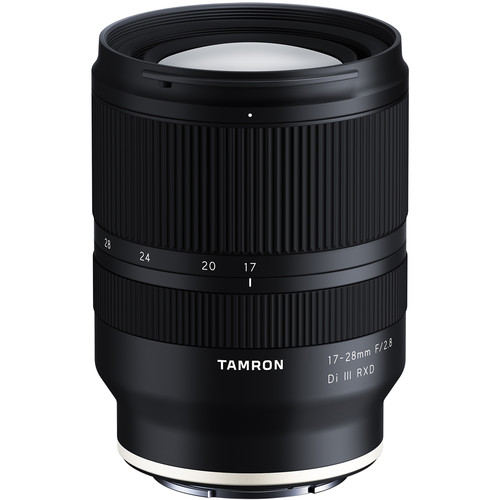
17-28 mm F/2.8 Di III RXD
Finally, we have the 17-28mm F/2.8 Di III RXD lens. This high-speed, ultra wide-angle zoom lens is for Sony E-mount cameras. Like the lens above, this 17-28 mm F/2.8 is remarkably lightweight and portable while maintaining high resolution and edge-to-edge contrast. This model’s autofocus is powered by the “Rapid eXtra-silent stepping Drive” stepping motor unit; the result is precise and near-silent operation ideal for shooting both stills and videos.
17-28mm f2.8 Di III RXD
That’s it for today! Keep checking back for more WPPI 2019 release updates.
Sony officially announced three new additions to its Xperia line: the Xperia 10, Xperia 10 Plus, and Xperia 1. The key takeaway for these models is that all three are made for both shooting and viewing video content. Sony borrowed heavily from its Alpha camera line to bring users the most extensive set of video and photo tools available for mobile.
In this post, we run through specs, features, photos, and release information for the new devices.
Our first impression of the Xperia 10 is that it’s really, really long. Made for multi-tasking, the Xperia 10 provides an immersive user experience whether you’re scrolling through Instagram or watching Game of Thrones.
If you love movies, the 21: 9-inch display should be a major selling point (this is the same aspect ratio most films are shot in). Alternatively, if you want to create your own content, the 10 Plus’s Dual 12MP + 8MP camera records breathtaking movies that take full advantage of every inch of the phone’s wide display.
Sony Xperia 10 | Black
1 of 26
Sony Xperia 10 Plus
As mentioned above, these phones are great for someone looking for a big, beautiful smartphone screen. The 10 Plus’s 6.5”, 21:9 wide display is long enough for a split-screen display and slim enough to fit comfortably in your hand or pocket.
Like the Xperia 10, the 10 Plus also has a film-friendly 21:9-inch display that’s great for watching and recording content. The viewing and processing experience is also ideal for gamers; the 10 Plus uses the Qualcomm® Snapdragon 636 mobile platform which is strong enough to handle all of the simultaneous gameplay and app usage you can throw at it.
Sony Xperia 10 Plus
1 of 12
Sony Xperia 1
The Sony Xperia 1 is meant for creators. It’s the first smartphone in the world to boast a 4K OLED display and eye autofocus tracking. These upgrades combined with a triple-lens camera, this phone is perfect for watching and creating movies.
This phone brings tech from the Sony Alpha series with BIONZ X™ for mobile. It has RAW noise reduction to eliminate grain in low light and (as mentioned above) has precision focus for striking portraits. It also shoots a respectable 10fps What’s more, it includes fast Eye AF and an outstanding up to 10fps AF/AE tracking technology.
To read more about this incredible smartphone (and see more pics) see our full review here.
That’s all we have for now on the new Sony Xperia releases. Keep checking back for updated photos, launch dates, and pricing info.
It’s that special time of year when film nerds and pop culture enthusiasts join forces—it’s awards season. The 91st Academy Awards will air and this Sunday (February, 24th) and we’re here to talk about The Oscars Best Cinematography category. Don’t get us wrong; we’re excited to see who wins Best Picture and we love some good costume design. However, we’re in this for the camera gear (stares longingly at the Sony 4K XDCAM).
In the most basic sense, cinematographers work directors to figure out the visual feel and intention of a movie (or show). Then, they select cameras, film stock, lenses, filters, lighting gear, and every other kind of equipment required to make it a visual masterpiece.
Below is a list of the last ten Best Cinematography Oscar winners. Scroll to view the full list, pictures, and videos.
If you want to make Oscar-worthy work but don’t have the budget to invest in your won 7-axis robot, take a look at some of the cameras listed at the bottom of the post including the Sony XDCAM Super 35 and Blackmagic Design URSA Mini Pro.
Shot On: ALEXA XT Studio cameras with Master Prime lenses
Director: Denis Villeneuve
Writers: Hampton Fancher (screenplay), Michael Green (screenplay), Hampton Fancher (story), Philip K. Dick (wrote originating novel “Do Androids Dream of Electric Sheep?”)
Stars: Harrison Ford, Ryan Gosling, Ana de Armas
Plot: Thirty years after the events of the first film, a new blade runner, LAPD Officer K (Ryan Gosling), unearths a long-buried secret that has the potential to plunge what’s left of society into chaos. K’s discovery leads him on a quest to find Rick Deckard (Harrison Ford), a former LAPD blade runner who has been missing for 30 years.
2016: La La Land
La La Land
1 of 6
MPAA
Nulty Lighting
USA Today
Vanity Fair
LA Times
Did You See That One
Cinematographer: Linus Sandgren
Shot On: Panavision XL2 in 2.55 CinemaScope (a format used prominently throughout the 1950s).
Director: Damien Chazelle
Writer: Damien Chazelle
Stars: Ryan Gosling, Emma Stone
Plot: While navigating their careers in Los Angeles, a pianist and an actress fall in love while attempting to reconcile their aspirations for the future.
2015: The Revenant
The Revenant
1 of 6
ActiveHistory.ca
Maxim
slashfilm.com
3 slashfilm.com
2 slashfilm.com
1 slashfilm.com
Cinematographer: Emmanuel Lubezki
Shot On: ALEXA XT, ALEXA M, and ALEXA 65 cameras combined with ARRI lenses.
Director: Alejandro G. Iñárritu
Writers: Mark L. Smith (screenplay), Alejandro G. Iñárritu (screenplay), Michael Punke (originating novel)
Stars: Leonardo DiCaprio, Tom Hardy, Will Poulter
Plot: A frontiersman on a fur trading expedition in the 1820s fights for survival after being mauled by a bear and left for dead by members of his own hunting team.
2014: Birdman or (The Unexpected Virtue of Ignorance)
Birdman
1 of 7
2 IMDB
1 IMDB
IMDB
The Conversation
Wired
FilmandTVnow.com
Fortune
Cinematographer: Emmanuel Lubezki
Shot On: Arri Alexa, Alexa plus, and the Alexa M. The primary lenses used were Leica and Zeiss Master Primes.
Director: Alejandro G. Iñárritu
Writers: Alejandro G. Iñárritu, Nicolás Giacobon, Alexander Dinelaris, Armando Bo, Raymond Carver (play)
Stars: Michael Keaton, Zach Galifianakis, Edward Norton
Plot: A washed-up superhero actor attempts to revive his fading career by writing, directing, and starring in a Broadway production.
2013: Gravity
IMDB
1 of 6
MediArray
Senses of Cinema
Slash Film
IMDB
Business Insider
IMDB
Cinematographer: Emmanuel Lubezki
Shot On: film-gear company Bot&Dolly made a 7-axis robot called IRIS.
Director: Alfonso Cuarón
Writers: Alfonso Cuarón, Jonás Cuarón
Stars: Sandra Bullock, George Clooney, Ed Harris
Plot: two astronauts work together to survive after an accident leaves them stranded in space.
2012: Life of Pi
Life of Pi
1 of 6
Paste
Paste
Paste
Paste
Paste
Paste
Cinematographer: Claudio Miranda
Shot On: The production shot with six Alexa cameras paired on three Cameron Pace Fusion rigs with ARRI / Zeiss Master Primes.
Director: Ang Lee
Writers: Yann Martel (novel), David Magee (screenplay)
Stars: Suraj Sharma, Irrfan Khan, Adil Hussain
Plot: A young man who survives a disaster at sea is hurtled into an epic journey of adventure and discovery. While cast away, he forms an unexpected connection with another survivor: a fearsome Bengal tiger.
Writers: John Logan (screenplay), Brian Selznick (wrote original text “The Invention of Hugo Cabret”)
Stars: Asa Butterfield, Chloë Grace Moretz, Christopher Lee
Plot: In Paris in 1931, an orphan named Hugo Cabret, who lives in the walls of a train station, is wrapped up in a mystery involving his late father and an automaton.
2010: Inception
Inception
1 of 7
IMDB
rogerebert.com
IMDB
media-amazon.com
IMDB
IMDB
1 IMDB
Cinematographer: Wally Pfister
Shot On: Arriflex 235, Panavision Primo and G-Series Lenses, Arriflex 435 ES, Beaumont VistaVision Camera, Panavision 65 HR Camera/Lenses, Panavision Panaflex Millennium XL, Panavision C-, E-, G-Series and Super High-Speed Lenses, Panavision Panaflex System 65 Studio/Lenses, Photo-Sonics 4C, Photo-Sonics 4ER
Director: Christopher Nolan
Writer: Christopher Nolan
Stars: Leonardo DiCaprio, Joseph Gordon-Levitt, Ellen Page
Plot: A thief who steals corporate secrets through the use of dream-sharing technology is given the inverse task of planting an idea into the mind of a CEO.
2009: Avatar
Avatar
1 of 6
loudfront.net
Slash Film
vignette.wikia.nocookie.net
We Heart It
AGU Blogosphere
IMDB
Cinematographer: Mauro Fiore
Shot On: PACE Fusion 3-D, Sony CineAlta F23, Sony CineAlta HDC-1500, Sony CineAlta HDC-F950, Canon and Fujinon Lenses
Director: James Cameron
Writer: James Cameron
Stars: Sam Worthington, Zoe Saldana, Sigourney Weaver
Plot: A paraplegic marine dispatched to the moon Pandora on a unique mission becomes torn between following his orders and protecting the world he feels is his home.
2008: Slumdog Millionaire
Slumdog Millionaire
1 of 7
IMDB
Screenmusings.com
IMDB
IMDB
Screenmusings.com
IMDB
IMDB
Cinematographer: Anthony Dod Mantle
Shot On: Arricam LT, Arricam ST, Arriflex 235, Arriflex 35 BL4, Canon EOS-1D Mark III, Silicon Imaging SI-2K MINI, Zeiss Ultra Prime, Angenieux Optimo, Century, Canon, Cooke, and Linos Lenses
Directors: Danny Boyle, Loveleen Tandan (co-director)
Writers: Simon Beaufoy (screenplay), Vikas Swarup (novel)
Stars: Dev Patel, Freida Pinto, Saurabh Shukla
Plot: A Mumbai teen reflects on his upbringing in the slums when he is accused of cheating on the Indian Version of “Who Wants to be a Millionaire?”
In honor of Black History Month, we put together a list of 10 black photographers who shaped (and continue to shape) American History. Much like our short list of contemporary artists to watch, this list is in no way complete; hundreds if not thousands of black photographers were intrinsic in documenting and shaping our country’s history. However, for today we will review and reflect on the lives and work of James Van Der Zee, Ernest Withers, Carrie Mae Weems, Gordon Parks, Michelle V. Agins, Don Hogan Charles, Lorna Simpson, P.H. Polk, Florestine Perrault Collins, and Roy DeCarava.
Church Group -James Van Der Zee - Courtesy of The Howard Green Gallery
Wedding Photo - James Van Der Zee - Courtesy of The Howard Green Gallery
Formal Portrait - James Van Der Zee - Courtesy of The Howard Green Gallery
Portrait - James Van Der Zee - Courtesy of The Howard Green Gallery
Child's Portrait - James Van Der Zee - Courtesy of The Howard Green Gallery
Young Woman - James Van Der Zee - Courtesy of The Williams College Museum of Art
Schoolhouse - James Van Der Zee - Courtesy of The Williams College Museum of Art
Portrait - James Van Der Zee - Courtesy of The Williams College Museum of Art
Woman Reading - James Van Der Zee - Courtesy of The Williams College Museum of Art
Wedding Photo - James Van Der Zee - Courtesy of The Williams College Museum of Art
James Van Der Zee - Courtesy of The Howard Green Gallery
Portrait of A Young Man - James Van Der Zee - Courtesy of The Williams College Museum of Art
Travelers - James Van Der Zee - Courtesy of The Howard Green Gallery
Early Life
James Van Der Zee was born in 1886 and grew up taking photographs in his home town of Lenox, Massachusetts. He graduated from developing film in a makeshift darkroom in his family’s basement to working as a photo assistant in Newark, New Jersey. A year later in 1916, he moved to Harlem with his wife and launched the Guarantee Photo Studio.
The studio was incredibly profitable. During WWI Van Der Zee had a flood of business taking portraits and photographing social engagements. However, he didn’t really hit his professional stride until the 1920s and 30s.
The Harlem Renaissance
Van Der Zee was not only the de facto documentor of the Harlem Renaissance but also a prominent member of the movement. As a result, his body of work is a veritable who’s-who of celebrities including the poet Countee Cullen, dancer Bill “Bojangles” Robinson, Bishop Charles M. “Daddy” Grace, boxer Joe Louis, entertainer Florence Mills, and the black nationalist leader Marcus Garvey.
His experimental artistic vision was well suited for the time. He excelled at retouching glamour shots that radiated an ora of perfection and would use double negatives to extend the meaning of his work.
In 1969, his collection “Harlem On My Mind” went up at New York City’s Metropolitan Museum of Art. To believe the retelling, Van Der Zee’s first internationally recognized exhibition was largely due to a stroke of luck; in 1967 Reginald McGhee found Van Der Zee’s Harlem studio and casually asked if he might have any photographs from the 1920s and 30s. He, of course, had hundreds. To this day, Van Der Zee is considered to have created one of the most comprehensive documentations of the Harlem Renaissance.
2 Ernest Withers
Ernest Withers
1 of 37
At The Door Dr. Martin Luther King Jr - Ernest C. Withers - Courtesy of Decaneas Archive
Dr. Martin Luther King Jr - Ernest C. Withers - Courtesy of Decaneas Archive
The Segregated South - Ernest C. Withers - Courtesy of Decaneas Archive
The Segregated South - Ernest C. Withers - Courtesy of Decaneas Archive
Public Speech - Ernest C. Withers - Courtesy of Decaneas Archive
Public Speech - Ernest C. Withers - Courtesy of Decaneas Archive
Ernest C. Withers - Courtesy of Decaneas Archive
Ernest C. Withers - Courtesy of Decaneas Archive
Crowds & Dr. Martin Luther King Jr - Ernest C. Withers - Courtesy of Decaneas Archive
Dr. Martin Luther King Jr - Ernest C. Withers - Courtesy of Decaneas Archive
Injured - Ernest C. Withers - Courtesy of Decaneas Archive
Injured - Ernest C. Withers - Courtesy of Decaneas Archive
We Are Together - Ernest C. Withers - Courtesy of Decaneas Archive
We Are Together - Ernest C. Withers - Courtesy of Decaneas Archive
Bus Sit In Dr. Martin Luther King Jr - Ernest C. Withers - Courtesy of Decaneas Archive
Dr. Martin Luther King Jr - Ernest C. Withers - Courtesy of Decaneas Archive
Counter-protest - Ernest C. Withers - Courtesy of Decaneas Archive
Counter-protest - Ernest C. Withers - Courtesy of Decaneas Archive
Dr. Martin Luther King Jr - Ernest C. Withers - Courtesy of Decaneas Archive
Dr. Martin Luther King Jr - Ernest C. Withers - Courtesy of Decaneas Archive
Portrait - Ernest C. Withers - Courtesy of Decaneas Archive
Portrait - Ernest C. Withers - Courtesy of Decaneas Archive
Bumper Sticker - Ernest C. Withers - Courtesy of Decaneas Archive
Bumper Sticker - Ernest C. Withers - Courtesy of Decaneas Archive
Protesters - Ernest C. Withers - Courtesy of Decaneas Archive
Protest - Ernest C. Withers - Courtesy of Decaneas Archive
Protest - Ernest C. Withers - Courtesy of Decaneas Archive
Protest - Ernest C. Withers - Courtesy of Decaneas Archive
Driving Dr. Martin Luther King Jr - Ernest C. Withers - Courtesy of Decaneas Archive
Dr. Martin Luther King Jr - Ernest C. Withers - Courtesy of Decaneas Archive
US Army - Ernest C. Withers - Courtesy of Decaneas Archive
US Army - Ernest C. Withers - Courtesy of Decaneas Archive
Dr. Martin Luther King Jr - Ernest C. Withers - Courtesy of Decaneas Archive
Dr. Martin Luther King Jr - Ernest C. Withers - Courtesy of Decaneas Archive
Don Newcombe, Sportsman Park, St. Lois, circa 1949. - Ernest C. Withers - Courtesy of Decaneas Archive
Don Newcombe, Sportsman Park, St. Lois, circa 1949. - Ernest C. Withers - Courtesy of Decaneas Archive
Verdell Mathis, Artie Wilson, Lorenzo "Piper" Davis, William Powell, Gentry "Jeep" Jessup. In the stands: just above Mathis: Dr. W.S. Martin, and to his right, Jose Colas - Ernest C. Withers - Courtesy of Decaneas Archive
Verdell Mathis, Artie Wilson, Lorenzo "Piper" Davis, William Powell, Gentry "Jeep" Jessup. In the stands: just above Mathis: Dr. W.S. Martin, and to his right, Jose Colas - Ernest C. Withers - Courtesy of Decaneas Archive
Negro League Baseball Game - Ernest C. Withers - Courtesy of Decaneas Archive
Negro League Baseball Game - Ernest C. Withers - Courtesy of Decaneas Archive
Catcher - Ernest C. Withers - Courtesy of Decaneas Archive
Catcher - Ernest C. Withers - Courtesy of Decaneas Archive
Group Shot - Ernest C. Withers - Courtesy of Decaneas Archive
Negro League Baseball Event - Ernest C. Withers - Courtesy of Decaneas Archive 18
Stadium Crowds @ Negro League Baseball Game - Ernest C. Withers - Courtesy of Decaneas Archive
Negro League Baseball Game - Ernest C. Withers - Courtesy of Decaneas Archive
Dogers - Ernest C. Withers - Courtesy of Decaneas Archive
Dogers - Ernest C. Withers - Courtesy of Decaneas Archive
Ernest C. Withers - Courtesy of Decaneas Archive
Ernest C. Withers - Courtesy of Decaneas Archive
Performance - Ernest C. Withers - Courtesy of Decaneas Archive
Performance - Ernest C. Withers - Courtesy of Decaneas Archive
Ray Charles - Ernest C. Withers - Courtesy of Decaneas Archive
Ray Charles - Ernest C. Withers - Courtesy of Decaneas Archive
Singer - Ernest C. Withers - Courtesy of Decaneas Archive
Singer - Ernest C. Withers - Courtesy of Decaneas Archive
DJ Booth - Ernest C. Withers - Courtesy of Decaneas Archive
DJ Booth - Ernest C. Withers - Courtesy of Decaneas Archive
Ruth Brown - Ernest C. Withers - Courtesy of Decaneas Archive
Ruth Brown - Ernest C. Withers - Courtesy of Decaneas Archive
B.H. and B.B. King - Ernest C. Withers - Courtesy of Decaneas Archive
B.H. and B.B. King - Ernest C. Withers - Courtesy of Decaneas Archive
Singer - Ernest C. Withers - Courtesy of Decaneas Archive
Ernest C. Withers - Courtesy of Decaneas Archive
Church Choir - Ernest C. Withers - Courtesy of Decaneas Archive
Church Choir - Ernest C. Withers - Courtesy of Decaneas Archive
WDIA Radio Station Performance - Ernest C. Withers - Courtesy of Decaneas Archive
WDIA Radio Station Performance - Ernest C. Withers - Courtesy of Decaneas Archive
Memphis Blues -Ernest C. Withers - Courtesy of Decaneas Archive
Memphis Blues -Ernest C. Withers - Courtesy of Decaneas Archive
Musicians - Ernest C. Withers - Courtesy of Decaneas Archive
Musicians - Ernest C. Withers - Courtesy of Decaneas Archive
Ernest C. Withers - Courtesy of Decaneas Archive
Ernest C. Withers - Courtesy of Decaneas Archive
Early Life
Ernest C. Withers was born in Memphis, Tennessee in August 1922. He started taking photos in high school when his sister gifted him a camera that she was given by another classmate. However, it wasn’t until World War II that Withers had a formal artistic education at the Army School of Photography.
After the war, Withers returned to Memphis and became one of the state’s first African-American police officers before going into business for himself and starting the Withers Photography Studio with his family. He was an incredibly prolific photographer; anywhere between 1 and 5 million images are attributed to his career.
Life In Memphis
Withers and his camera became an omnipresent staple of post-World War II African-American life in Memphis. His work extends from everyday slices of life to in-depth documentation of the segregated South, Negro League baseball, the explosive music scene, and—now notoriously—the Civil Rights movement. According to his daughter, Withers had three cameras with him at all times: the first roll of film went to the white press, the second to the black press, and the last one for was his personal archives.
It wasn’t until the Freedom of Information Act in 2013 that Withers was implicated as an FBI informant. This accusation discredited him and his work in the eyes of many who once elevated him as an ally of the Civil Rights movement. However, his work remains arguably the most complete documentation of this time period by any individual.
3 Carrie Mae Weems
Carrie Mae Weems
1 of 9
Mother with Children from Boardwalk - Carrie Mae Weems - Courtesy of fineartmuseum.org
Roaming - Carrie Mae Weems - Courtesy of artfcity.com
Mary J. Blige - Carrie Mae Weems - W Magazine
Fur on Mary J. Blige - Carrie Mae Weems - W Magazine
Guggenheim Bilbao - Carrie Mae Weems - Courtesy of dailyserving.com
Group at Table - Carrie Mae Weems - Courtesy of bookbinderlocal455.com
Solo - Carrie Mae Weems - Courtesy of Art Basel
British Museum - Carrie Mae Weems - Courtesy of dailyserving.com
Zwinger Palace - Carrie Mae Weems - Courtesy of dailyserving.com
Early Life
Carrie Mae Weems was born in Portland, Oregon in 1953. By her mid-20s, Weems had already experienced enough to fill an entire lifetime. She studied modern dance in San Francisco; had her first and only child; worked in restaurants, offices, and factories; spent time in Mexico, Fiji, and New York; and started her long-term commitment to grass-roots socialist politics.
It wasn’t until 1974 that she picked up her first camera and fell in love. After studying photography at the California Institute of the Arts, she went on to get an MFA in fine arts from the University of California, San Diego. Afterward, she participated in a folklore grad program at UC Berkeley. This timeline suggests a kind of superhuman drive that eliminated the need for sleep, food or any kind of rest.
As so often happens with artists who have multi-practice backgrounds, Weems’ work crosses the “traditional” lines of demarcation between photography, video, written texts, and textiles.
Expanding The Arts
Weems started out working within the genre of documentary photography; her first public series, Family Pictures and Stories, explored the dynamic of her immediate family. However, it’s larger purpose was to explore the diaspora of black Americans out of the Southern United States to the North. Later, she read The Sweet Flypaper of Life by Langston Huges and Roy DeCarava (listed below). It became a defining point of inspiration; the book helped her explore how language, politics, and the questioning of dominant racial paradigms could be further integrated into her work. This is especially evident in her 1987 exhibit Ain’t Jokin’.
Fully delving into all of Carrie Mae Weems accomplishments would require a piece much longer than this one. Her still-expanding body of work explores the dark and joyful facets of family and relationships as well as cultural identity, sexism, class, political systems, and the consequences of power (you can find a full list of her shows here).
4 Gordon Parks
Gordon Parks
1 of 13
Parks Adopted Daughter - Gordon Parks - Courtesy of NGA.gov
Oil Drums - Gordon Parks - Courtesy of NGA.gov
New York Harbor - Gordon Parks - Courtesy of NGA.gov
Husband and Wife- Gordon Parks - Courtesy of NGA.gov
Model in Green Dress - Gordon Parks - Courtesy of The Gordon Parks Foundation
Ingrid Bergman - Gordon Parks - Courtesy of The Gordon Parks Foundation
Fashion Photography - Gordon Parks - Courtesy of The Gordon Parks Foundation
Portrait - Gordon Parks - Courtesy of NGA.gov
The Doll Test - Gordon Parks - Courtesy of NGA.gov
Shooting Marbles - Gordon Parks - Courtesy of NGA.gov
American Gothic - Gordon Parks - Courtesy of Wikipedia
After Hours - Gordon Parks - Courtesy of NGA.gov
Ella Watson- Gordon Parks - Courtesy of NGA.gov
Early Life
Gordon Parks was an activist, writer, filmmaker, waiter, Hollywood consultant, and a piano player in a brothel. The man lived a life. All that said, we are here to discuss his photography.
Parks was born in Fort Scott, Kansas in 1912. He was the youngest of fifteen and his mother died when he was still a child. In addition to a rocky home life, he was also constantly stifled by Fort Scott’s strict segregational practices and habitual violent, racism. At age 15, Parks left his family and struck out on his own; by 25, he decided to become a photographer.
A Hero’s Journey
Parks’ rise to success reads like something out of one of the Hollywood scripts he would later help develop. He was a self-taught photographer and when he went to develop his first roll of film, the photo clerks said his work was exceptional and encouraged him to pursue photography professionally. As a result, he sought out a job taking photos for a nearby women’s clothing store. Shortly after, Marva Louis, wife of boxer Joe Louis became a fan of his work and advised him to move to Chicago and start his own business. So, he did. If the basis of the American Dream and Cinderella were combined into one timeline, the result would be Gordon Parks’ journey.
In Chicago, Parks established himself as a photographer for wealthy socialites. However, his true passion was capturing the people he encountered day-to-day in the city. His poignant and often haunting portrayal of black Americans earned him the Julius Rosenwald Fellowship. Later, this lead to a photography job with the Farm Security Administration to document America’s social conditions.
This is only one facet of Parks’ truly massive and varied body of work. You can find more of his art at The Gordon Parks Foundation website.
5 Michelle V. Agins
Michelle V. Agins
1 of 4
Michelle V. Agins - Courtesy of The New York Times
James Baldwin - Michelle V. Agins - Courtesy Foto Infinitum
Ali Reflects - Michelle V. Agins - Courtesy of @kaushikcbasu
Serena Williams - Michelle V. Agins - Courtesy of The New York Times
Early Career
Michelle V. Agins was born in the South Side of Chicago. She got her start in photography at the age of eight when her grandmother gave her a camera as a means of getting her out of the house. She began by taking photos of people from her neighborhood, those passing through, and local gang members.
The city of Chicago continued to be an integral part of her life as she formally began her career. Agins started as an intern with The Chicago Daily News; it took less than a year for her to be promoted to a sports photographer. Later, she taught at the collegiate level for two years before working for the City of Chicago as a visual specialist and then as the mayor’s office photographer in 1983.
To say that those few lines only scratch the surface of Agins’ career is a vast understatement.
Body of Work
According to her current employer, The New York Times, Agins has received two Pulitzer Prize nominations. The first came in 1990 for her coverage of the Bensonhurst, Brooklyn protests, during which she was struck in the chest and hospitalized.
The second Pulitzer Prize nomination was in 1995 for her work on the Times series “Another America: Life on 129th Street.” The piece was written over the course of a year. During that time, Agins formed incredibly close relationships with her subjects that proved hard to sever. “It was bad at the end,” Agins said of her experience during a 2004 interview. “It was time to wrap things up and leave. Sometimes you can get so embedded that it’s hard to come out. The Times helped me work that out. Unfortunately, the story didn’t turn out like [the residents] wanted it to. The reporter and I had to leave town for a while; they sent the boys after us.”
Pulitzer Nominations
Finally, in 2001 Agins won a Pulitzer Prize for National Reporting for their reporting series “How Race is Lived in America.” An ambitious undertaking, Agins and her colleagues set out to “capture the cultural landscape of the nation in provocative, eye-opening articles following people from all backgrounds and every corner of society.”
All of this, and I haven’t even mentioned the time she almost got blown up by outlaws in Haiti. Michelle V. Agins is thankfully in one piece and currently working as a photographer for the New York Times.
6 Don Hogan Charles
Don Hogan Charles
1 of 8
National Guard in Newark, NJ - Don Hogan Charles - Courtesy of seattletimes.com
Muhammad Ali and Floyd Patterson - Don Hogan Charles - Courtesy of seattletimes.com
Mother and child in Harlem - Don Hogan Charles - Courtesy of seattletimes.com
Martin Luther King Jr. funeral - Rev. Martin Luther King Sr.; Alberta Williams King; Coretta Scott King; Rev. A.D. King; Harry Belafonte - Don Hogan Charles - Courtesy of seattletimes.com
Malcolm X’s funeral - Don Hogan Charles - Courtesy of seattletimes.com
Kareem Abdul-Jabbar then Lewis Alcindor - Don Hogan Charles - Courtesy of seattletimes.com
Harlem - Don Hogan Charles - Courtesy of NYT.com
Rev. Martin Luther King Jr. Funeral - Don Hogan Charles - Courtesy of Seattletimes.com
Don Hogan Charles was born in New York City in 1939. He began his career studying engineering at the City College of New York before dropping out to pursue photography. His work was published in several publications as a freelancer (including Ebony Magazine) before he was hired as theNew York Time’s first black photographer.
Over the course of his career, his capacity as a staffer extended well past a photographer’s typical scope. He captured moments in the lives of John Lennon, Kareem Abdul-Jabbar, and Muhammad Ali. However, the work he created early in his career during the civil rights movement is arguably the basis for his legacy.
The Civil Rights Era South
He risked his personal safety to take photos of the Civil Rights era South (he reportedly always checked his tailpipe for bombs) and New York. His ability to adapt gave him the opportunity to take incredibly poignant shots of key players from the era; Charles photographed Malcolm X as the political leader fought to defend his life and Coretta Scott King with her family as they mourned during her husband’s funeral.
Those peak moments aside, Charles worked to capture something less elusive yet notably underrepresented in the media: the beauty and tight-knit community central to everyday life in Harlem. In the wordsof Aaron Bryant, curator of photography and visual culture at the National Museum of African American History and Culture, “while he’s telling the story of New York from the mid-1960s to 1980s, he’s really documenting the black community at the same time.”
7 Lorna Simpson
Lorna Simpson
1 of 7
Big Yellow - Lorna Simpson - Courtesy of lsimpsonstudio.com
Green Hornet - Lorna Simpson - Courtesy of lsimpsonstudio.com
Princess - Lorna Simpson - Courtesy of lsimpsonstudio.com
Unanswerable Detail 1 - Lorna Simpson - Courtesy of Hauserwirth.com
Unanswerable Detail 2 - Lorna Simpson - Courtesy of Hauserwirth.com
Water Bearer - Lorna Simpson - Courtesy of NYT.com
Ice 4 - Lorna Simpson - Courtesy of ELEPHANT.art
Lorna Simpson a living legend. Born in Brooklyn in 1960, Simpson’s love of the arts was instilled in her by her parents. Her educational journey began at the School of Visual Arts in New York followed by extensive traveling in Europe and Africa where she discovered she wanted to use photography as a means of challenging her viewer as well as engaging them. She went on to get her Master of Fine Arts from the University of California where she further honed the signature style that led her to notoriety in the 80s and 90s.
Simpson’s work spans a wide array of mediums including collages and films. However, she is perhaps best known for her photo-text installations and anti-portraits. Regardless of the medium, the theme of her work most often tackles society’s relationship with race. In the latest phase of her career, she is branching out into painting.
Eleanor Roosevelt - P.H. Polk - Courtesy of redtail.org
Old Woman - P.H. Polk - Courtesy of icp.org
Catherine Moton Patterson - P.H. Polk - Courtesy of icp.org
The Boss - P.H. Polk - Courtesy of icp.org
Mildred Hansen Baker - P.H. Polk - Courtesy of icp.org
Mr & Mrs T.M. Campbell & Children - P.H. Polk - Courtesy of icp.org
Margaret Blanche Polk - P.H. Polk - Courtesy of icp.org
Henry Baker - P.H. Polk - Courtesy of icp.org
George Washington Carver - P.H. Polk - Courtesy of icp.org
The Pipe Smoker - P.H. Polk - Courtesy of icp.org
Theodore and Cornelius Polk - P.H. Polk - Courtesy of icp.org
P.H. Polk was born in Bessemer, Alabama in 1898. At the age of 18, he enrolled in the Tuskegee Institute with the intention of becoming a painter. However, after some discouraging words from the dean and a motivational assembly featuring Tuskegee’s official photographer, Polk decided to pivot to photography. The rest, as they say, is history.
Polk went on to become the head of the Tuskegee Institute Photography Department. Outside of the school, the artist took extensive portraitures of both ends of the societal spectrum at the time; one of his most famous series, “Old Characters,” is comprised of portraits of ex-slaves in Macon County, Alabama.
Honesty & Dignity
Regardless of their social standing, Polk photographed his subjects in sharp relief; his style was a departure from the style of the time which favored a softer, more flattering portraiture. In contrast, Polk set out to portray the people who sat for him more honestly while maintaining their dignity. Some of his well-known subjects include agricultural scientist George Carver, composer and pianist Duke Ellington, novelist Ralph Ellison, activist, multi-talented performer Lena Horne, and founder of Ford Motor Company Henry Ford. Polk also famously photographed First Lady Eleanor Roosevelt during her visit to the Tuskegee Institute in March 1941.
9 Florestine Perrault Collins
Florestine Perrault Collins
1 of 7
Jeannette Warburg and Daisy Fuller-Florestine Perrault Collins - Courtesy of Florida Press
Florestine Perrault Collins was born in 1895 and began her career as a photographer at the age of 14. The oldest of six, she helped add to her family’s income working as a photography assistant in New Orleans. During her first few years of employment, she had to pass as white in order to get steady work and establish herself in the industry.
Finding Identity
After her first marriage, Collins opened up her own studio and was able to fully own her identity as a black, female photographer; out of only 101 African-American women who identified themselves as photographers in the 1920 U.S. Census, Collins was the only one in the New Orleans area.
Over time, she built up a large client base and following in New Orleans by running engaging newspaper ads that set her apart from her male counterparts. She photographed families, weddings, parties, and individual portraits, adeptly leveraging her success to keep her family afloat during the Great Depression. Her career lasted roughly 30 years during which time she thoroughly documented the lives of New Orleans’ Creole community.
Mother and Child on Stoop - Roy DeCarava - Courtesy of The Museum of Fine Arts, Houston
Piano Player - Roy DeCarava - Courtesy of The Museum of Fine Arts, Houston
Milt Jackson - Roy DeCarava - Courtesy of howardgreenberg.com
David - Roy DeCarava - Courtesy of howardgreenberg.com
Man In Window - Roy DeCarava - Courtesy of howardgreenberg.com
New Site - Roy DeCarava - Courtesy of howardgreenberg.com
Roy DeCarava - Courtesy of David Zwirner
Roy DeCarava was born in Harlem in 1919. After a litany of odd-jobs, DeVarava found photography and with it his life’s work. Like Polk, he started out as a painter before he got behind a camera and became one of the most prolific documentarians of the Harlem Renaissance. In addition to chronicling day-to-day happenings on the streets of Harlem, he also chronicled the lives of jazz masters including Duke Ellington, Billie Holliday, and John Coltrane.
An unfortunate pitfall of being an artist is that your work is often not publicly recognized until after your death. Fortunately, DeCarava did not suffer that fate. In 1952 his work garnered him the prestigious Guggenheim fellowship making him the first black photographer to receive the honor. He was also an international success; DeCarava was the subject of more than 25 solo exhibitions and dozens of international group exhibitions. These are just two in a litany of accomplishments DeCarava achieved during his life-long tenure as an artist.
If you’re interested in seeing more of Roy DeCarava’s work, we recommend his book: The Sweet Flypaper of Life. The text was first published in 1955 in conjunction with writer Langston Hughes and then again in 1984 by Howard University Press. We highly recommend
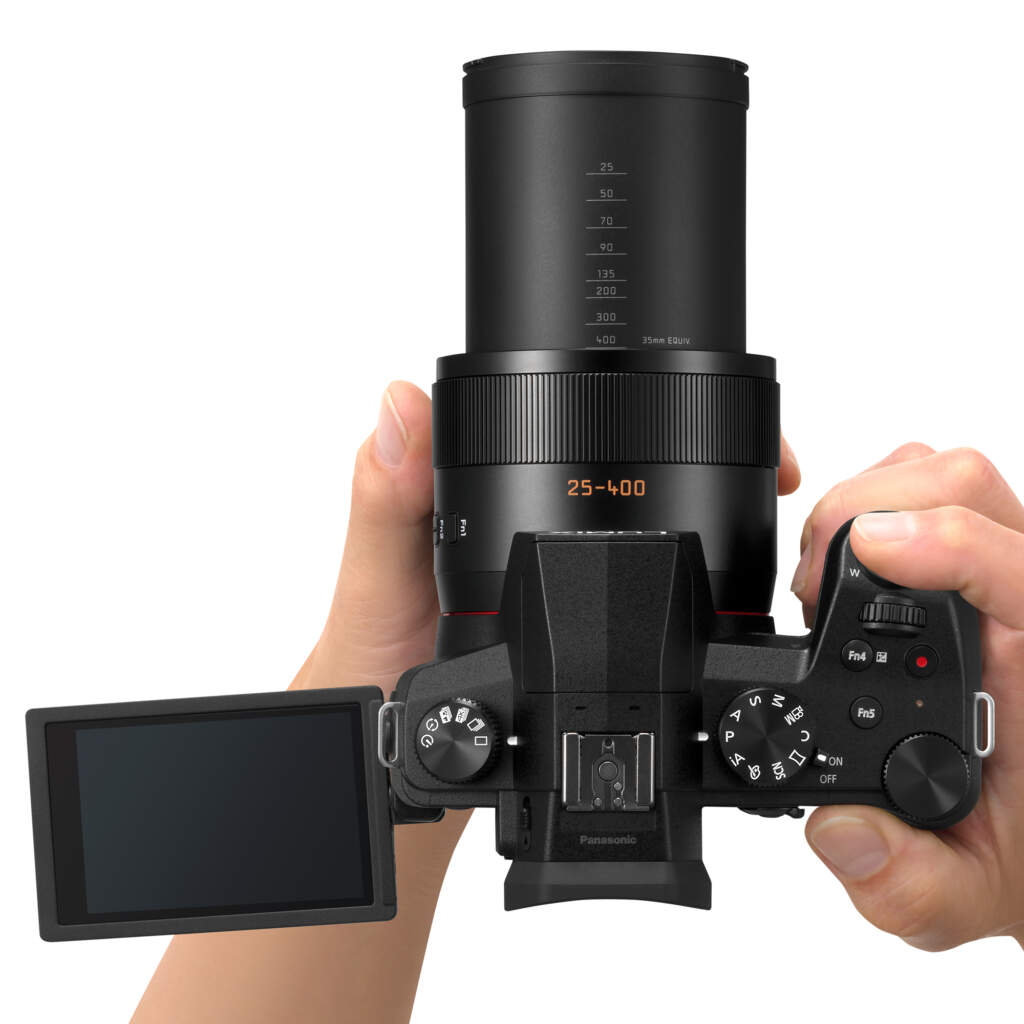
The photography community has been launchcrazy over the past few weeks and Panasonic is the latest company to announce new products: the Lumix FZ1000 II and Lumix ZS80. In this post, we go over the FZ000 II. However, you can read more about the ZS80 here.
The Lumix FZ1000 II is great for new photographers, vloggers, and casual camera users who want to take a step up from smartphone photography. When comparing the FZ1000 II to the prior model—the FZ1000—you’ll notice that basics like the sensor size and lens stay the same. However, the biggest improvements made to the FZ1000 II come in the form of shooting features and user interface updates.
Panasonic Lumix FZ1000 II vs Panasonic Lumix FZ1000
FZ1000
FZ1000 II
Sensor
1″ 20.1 MP MOS sensor
1″ 20.1 MP MOS sensor
Lens Type
Leica DC Vario-Elmarit
Leica DC Vario-Elmarit
Lens Details
25-400mm f/2.8-4 (35mm Equivalent)
25-400mm f/2.8-4 (35mm Equivalent)
Zoom
16x optical zoom
16x optical zoom
Video Resolution
4K at 30 fps
4K at 30 fps
Live View Finder Specs
2,359K-dot OLED
2,360k-dot OLED
Monitor Specs
3.0″ LCD / 921k-dot
3.0″ LCD / 1,240k-dot
Frames Per Second
12 fps in 8MP
30 fps in 8MP
Vari-angle LCD Touchscreen
✓
✓
HYBRID O.I.S. 5-Axis Image Stabilization
✓
✓
Built-In Flash
✓
✓
Touchscreen Interface
✓
Post Focus Function
✓
Image Auto Marking
✓
Photo Style Presets
✓
✓
L.Monochrome and L.Monochrome D Photo Style
✓
WiFi / Bluetooth®
✓
✓
Focus Stacking
✓
Panasonic Lumix FZ1000 II
1 of 8
Panasonic Lumix FZ1000 II Overview
Image Sensor & Image Quality
The FZ1000 II and FZ1000 both feature a 1″ 20.1 MP MOS sensor and Leica 25-400mm f/2.8-4 lens (35mm equivalent); this falls into the “if it’s not broken, don’t fix it” category. The image quality this hardware provides is more than enough for a new or hobbyist photographer. However, Panasonic did provide new features that help users get the most out of that quality.
Focus Features
Post Focus Mode
We’ve all been there: you line up the perfect shot, take the photo, and realize you weren’t even close to focusing on your intended subject. Shot ruined. The LUMIX FZ1000 II attempts to solve this problem with Post Focus. This feature allows you to select where you want to focus even after you’re done shooting. This is helpful in a wide array of situations, especially in macro photography.
Focus Stacking
Focus Stacking is similar to the 4K PHOTO feature. However, instead of choosing the best picture from a group of 30, Stacking combines multiple images shot at different focal lengths. This significantly enhances the final image’s depth of field. Like Post Focus, this is also a key addition that helps with macro photography.
4K PHOTO Mode
We go over this in greater depth in our Lumix ZS80 launch post, but in short, 4K PHOTO mode automatically takes multiple photos in an instant. The Lumix FZ1000 II has a notable increase in frames per second from the previous model; it jumps from 12fps to 30fps.
This feature was made with movement in mind; if you plan on using this camera for action photography (think sporting events or animal photography), 4K PHOTO will grab the perfect shot almost every time.
User Interface
A crucial addition to the FZ1000 II is a touchscreen interface; this is now a standard feature of almost every new DSLR and mirrorless camera. Additionally, the screen’s resolution got an upgrade from a 921k-dot to 1,240k-dot touchscreen. The entire element tilts 270 degrees up and down so you can easily take photos from any angle
These are our first thoughts on the Lumix FZ1000 II. Keep an eye out for future reviews and leave all questions and comments in the section below.
Over the past week, both Canon and Fujifilm announced the release of new cameras and gear. This morning, Panasonic continued the wave of new products with the release of the LUMIX ZS80 and LUMIX FZ1000 II. You can learn more about the LUMIX FZ1000 II here.
The Panasonic ZS80 is the company’s newest point and shoot camera. Like its predecessor, the LUMIX ZS70, this camera is made for travelers, new photographers, vloggers, and hobbyists. The stand-out features for this model are the inclusion of 4K shooting and its versatile tilting screen. However, people still learning the ins and outs of their camera will love Post Focus mode and Stacking mode; both features give you significantly more control over your images after they’re taken.
The LUMIX ZS80 has a respectable 20.1 MP 1″ high sensitivity MOS image sensor. As a result, users have the ability to record 4K video and in 4K PHOTO mode (more on that in a moment). The size and quality of this point and shoot make it ideal for travelers looking to explore, take great photos, but not get weighed down by a camera bag. Similarly, if your bag is already stuffed with your kid’s toys and snacks, this camera gives you a little extra wiggle room.
The new camera also offers better photo buffering depths, jumping from a maximum of 10 raw frames for the ZS70 to as many as 20 raw frames in the SZ80. This goes hand-in-hand with the upgraded fps rate and enhances features like Focus Stacking.
4K PHOTO Mode
If you’re researching Panasonic’s entry-level cameras, you’ve come across the phrase “at 8MP.” People interested in photography sometimes find this a bit confusing; 4K is most commonly used to describe video quality. Panasonic is the exception to that rule.
When used, 4K PHOTO mode takes 30 photos at 8MP in one second. This is a big step up from the ZS70 which only offered 10 frames per second (or fps) at 8MP. This is the feature to use if you want the perfect action shot; it’s great to take on vacation or to sporting events.
Travel Zoom
Continuing with the travel theme, the LUMIX ZS80 has a built-in 30x telephoto lens. The lens is an ultra-wide angle Leica designed to take expansive photos of nature as well as zoom in to capture details. This feature combined with the ZS80’s optical image stabilizer minimizes blur and gives you crisp, beautiful images.
Travel Zoom | LUMIX ZS80
1 of 2
This wraps up our first thoughts and highlights of the LUMIX ZS80. If you have any questions or comments feel free to leave them in the section below.
Fujifilm’s big Valentine’s Day announcements made our day go from pleasant to complete—who needs heart-shaped chocolates when you have nonstop camera and gear releases? Today, the mirrorless community was gifted the Fujifilm X-T30 and Fujinon 16mm f/2.8 lens. In this post, we’re going to go through specs, features, first impressions, and see how the X-T30 compares to the X-T3.
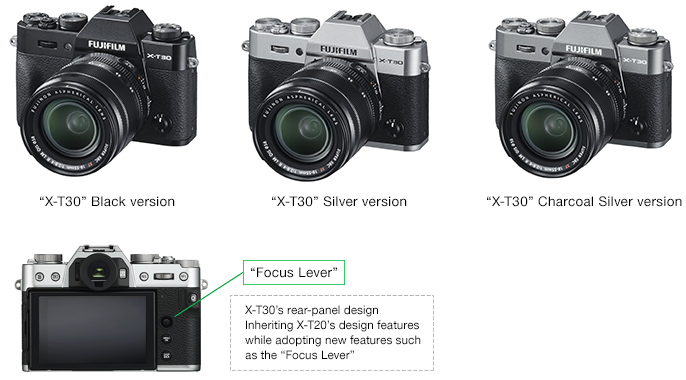
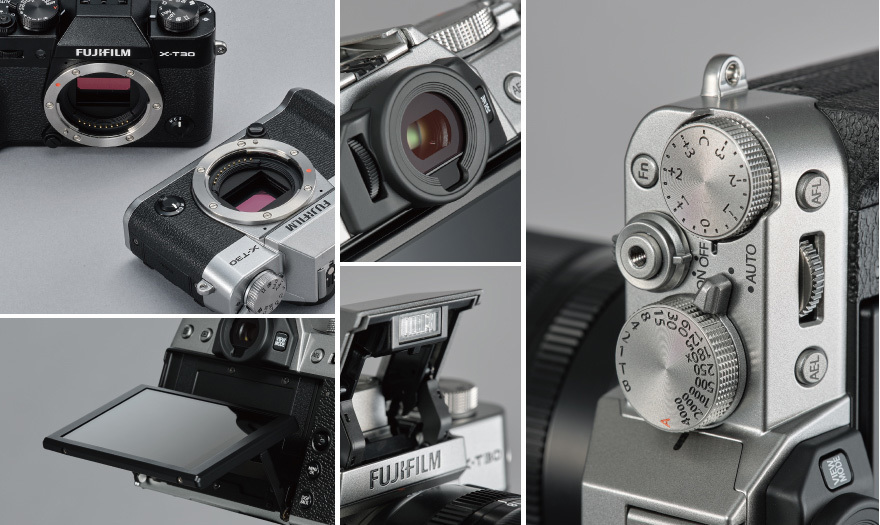
Let’s start with the X-T30. This premiere, compact mirrorless camera is remarkably affordable for the amount of quality it provides. Plus, it comes in three sleek colors: black, silver and the new charcoal silver which will be available June 2019.
To contextualize for those who aren’t Fujifilm fans, this is the next generation of Fujifilm’s best selling camera—the X-T20—that arrived in January 2017. Other than image quality (which we’ll get to in a moment), there are a few key differences between these two models that are worth highlighting.
User Interface Updates
First, the X-T30’s articulating LCD screen is 1.3mm thinner than the one on the X-T20. This update streamlines the look of the body and makes the camera a bit lighter. Second, Fujifilm added a USB-C port that you can use to plug in a microphone or headphones with an adaptor—this is big news if you’re planning on using the X-T30 to shoot video. Third, the X-T20’s D-Pad has been replaced with an AF joystick. So, instead of being four-directional it’s now eight-directional which makes it a little easier to navigate AF points. Finally, they moved the Q button to the thumb rest so you can quickly and easily change your screen’s display.
Fujifilm X-T30 Sample Images
1 of 3
Specifications
The new X-T30 features a 26.1MP back-illuminated APS-C X-Trans CMOS 4 image sensor. The new X-Processor 4 is a whopping three times faster than the X-T20. Additionally, it provides the highest image resolving performance and color reproduction of the X series processors.
The upgrade to a CMOS 4 image sensor is notable because it’s the exact same one used in the powerful and professional-grade Fujifilm X-T3. Similarly, the X-T30’s autofocus algorithm will be better than the X-T3 when it ships. The upgraded autofocus will have the ability to detect faces as small as 7% of the frame. Plus, it has improved face and eye tracking which allows you to easily prioritize the main subject. The X-T3 will also get these new improved features in April with a firmware update.
All of that said, don’t be fooled; the X-T3 still tops the X-T30 with its sturdier body, weather sealing, additional external settings, and superior video capabilities. However, it’s still incredible that you can get a few of the same key features for almost $600 less than you would pay for the X-T3.
Video Updates
As for video recording, the X-T30 shoots 4K video at up to 30 frames per second. It also shoots 4:2:2 10-bit video via HDMI and 4:2:0 8-bit in camera. This footage quality upgrade plus the new Eterna preset and improved microphone makes this camera a viable option for cinematographers.
Fujifilm X-T30
1 of 5
Price & Availability
The Fujifilm X-T30 will start shipping in March. The body alone will cost $899 and the body bundled with the 18-55mm lens will be $1,299. A 15-45mm kit will also be available for $999.
Fujifilm XF 16mm F2.8 R WR Lens
1 of 5
Black Fujifilm XF 16mm F2.8 R WR Lens
Silver Fujifilm XF 16mm F2.8 R WR Lens
The Fujinon 16mm f/2.8 | Price & Availability
The second big release from Fujifilm is the XF 16mm f/2.8 lens. This is the latest wide-angle prime addition to the Fujinon series. It weighs in at just 155G making it the smallest and lightest prime lens of its class. Combined with the X-T30, the entire body weighs only 1.2 pounds—that’s less than a bottle of wine. This 16mm will be available in mid-March at a price of $399 and will be available in black and silver.
That about wraps it up for Fujifilm’s Valentine’s Day releases! Let us know your thoughts on Fujifilm’s latest mirrorless camera and Fujinon lens in the comments below.
Canon officially announced the newest member of its mirrorless EOS cameras: the Canon EOS RP. This model is a follow-up to the Canon EOS R, the company’s first full-frame mirrorless camera.
A new extension grip was also announced; you can buy it in red, blue, or the classic black. This add-on allows users to feel a bit more comfortable holding and stabilizing the EOS RP while shooting. Plus, it has an access panel that lets you easily swap out the camera’s battery and SD card.
The early buzz for the new model is positive; it’s (relatively) affordable, user-friendly, and smaller than its predecessor without sacrificing quality. At first glance, it seems like Canon wants to make full-frame more accessible to mid-level professionals and serious hobbyists interested in upgrading to their first full frame. But how does it match up to the EOS R?
RF (compatible with EF & EF-S lenses when using optional Mount Adapter EF-EOS R, Control Ring Mount Adapter EF-EOS R, Drop-In Filter Mount Adapter EF-EOS R. EF-M lenses not compatible)
RF (compatible with EF & EF-S lenses when using optional Mount Adapter EF-EOS R)
Multi-Function Bar
✓
Top-Of-Camera Mode Screen
✓
Face Tracking
✓
✓
Touchscreen Interface
✓
✓
Vari-angle LCD Touchscreen
✓
✓
WiFi / Bluetooth®
✓
✓
Canon EOS RP
1 of 4
Canon EOS RP Overview
Image Sensor & Image Quality
The Canon EOS RP is equipped with a 26.2 MP full-frame image sensor and DIGIC 8 processor. Its full-frame size is made for taking exceptional stills and videos. Plus, it gives you some flexibility when picking a lens. Speaking of video, the EOS RP shoots crystal-clear 4K video at 24fps.
Canon EOS RP Sample Images
1 of 3
Lens Compatibility
The goal is always to make sure you have flexibility for a wide variety of shooting situations; the EOS RP definitely provides that adaptability. Like the EOS R, the Canon EOS RP is compatible with RF lenses. You can also use it with all of the EF/EF-S lenses if you add the optional Mount Adapter EF-EOS R.
Exterior Settings & Features
As mentioned above, this camera seems to be made for mid-level professionals and serious hobbyists interested in upgrading to their first full frame—it’s outfitted with a number of helpful guides, familiar controls, and creative modes to play around with.
There are a few key updates from the EOS R. First, the new model gets rid of the EOS R’s top display screen and replaces it with a classic Mode Dial; this makes it significantly easier to quickly switch between modes. Second, Canon did away with the multi-function bar. The result is cleaner lines and more intuitive, straightforward functionality for the remaining external controls.
Streamlining aside, the new EOS RP includes an important fan favorite from the previous model: the vari-angle screen. The EOS RP’s 3.0″ TFT Color Clear View II LCD Touchscreen provides a crisp display while you’re shooting or reviewing content. It’s also amazing for vloggers who need to make sure they’re constantly in focus.
1 of 9
Canon EOS RP creative assistant
Improved dual pixel CMOS
LCD touchscreen
Focus area outline
12 pin connection
Mode dial
Smartphone connectivity
Digital viewfinder
Easy access to the battery and memory card
We’re excited to get our hands on the EOS RP and try it out for ourselves. Stay tuned for additional reviews (and maybe even some video content). As always, let us know if you have any additional thoughts about this release in the comment section below.
The Fujifilm GFX 50R was released in late 2018 and is currently the newest in Fujifilm’s line up of digital mirrorless medium format cameras. The first thing I noticed about it is that it looks a lot like my Fujica GW690 but smaller. The GFX 50R boasts a 51.4MP X processing sensor; that’s the same sensor the GFX 50s has but in a rangefinder-inspired package.
Speaking of the package, this camera has a robust magnesium alloy body that’s both compact and lightweight. It’s completely dust and water resistant made to withstand the toughest environments. It also has dual UHS-II card slots to support high speed shooting at 3 frames per second.
As for internal features, the GFX 50R uses a 117 point contrast-based autofocus system with face and eye detection just like the Fujifilm x-t3. But, because the standard format in the camera is 4:3 you can shoot in other formats; this is weird and (arguably) a waste of perfectly good megapixels. Plus, this is a more traditional format seen in most medium format and large format cameras.
External Features & Settings
Working our way to external features and settings, the 50R has a 3.69 million dot OLED viewfinder. That’s accompanied by a 3.2 inch 2.36 million dot LCD screen you can use to access the menu, image playback, and live shooting. As you can see, it has a tilt design which is perfect for long-angle shooting.
Now it wouldn’t be a Fujifilm camera without a prominent set of dials and knobs. These not only give it a retro feel but also make operation smoother and quicker. On top, we have a shutter speed dial with speeds up to 1/400th of a second, an exposure compensation dial, and a programmable dial around the shutter button. You can set this button to ISO or any other setting you want to adjust quickly.
Moving on, all GF lenses have an aperture ring around the lens as well as an A mode to switch to shutter priority and C mode for camera-based control over the aperture.
Battery Usage
Finally, the Fujifilm GFX 50R uses a massive NP-T125 rechargeable battery that can last up to 400 shots in power-save mode. That said, when I was out using this I had plenty of battery life at the end of a photo shoot and was even able to shoot around the city afterward.
Summary
So, this was my first look at the Fujifilm GFX 50R. I really enjoy this camera as a nice everyday street photography camera if you can handle its size. It also works really well for larger-than-life portrait photography. You can buy this camera now at focuscamera.com.