Home Blog Page 31

Fujifilm Instax SQ10 vs. SQ20 Instant Camera | Is It Worth The Upgrade?

Fujifilm Instax SQ10 vs. SQ20 Instant Camera

The Fujifilm Instax SQ20 instant camera was released on October 20th, 2018. With it, came a wave of indecision from the photography community. It’s predecessor, the Instax SQ10, is a fan favorite. It’s one of Fujifilm’s first crossover instant and digital cameras, takes beautiful images and, frankly, it looks adorable. It appears to be a perfect digital/ instant camera crossover. So how could Fujifilm improve upon it? In this post, we compare specs, features, and functionality to answer the question on everyone’s mind: is the newly released Instax SQ20 better than the SQ10?

The Fujifilm Instax SQ20 instant camera was released on October 20th, 2018. With it, came a wave of indecision from the photography community. It’s predecessor, the Instax SQ10, is a fan favorite; it’s one of Fujifilm’s first crossover instant and digital cameras, takes beautiful images and, frankly, it looks adorable. It appears to be a perfect digital/ instant camera crossover. So how could Fujifilm improve upon it? In this post, we compare specs, features, and functionality to answer the question on everyone’s mind: is the newly released Instax SQ20 better than the SQ10?

User Interface & Functionality

Are both cameras instant and digital?
Fujifilm Instax SQ10 vs. SQ20 Instant Camera
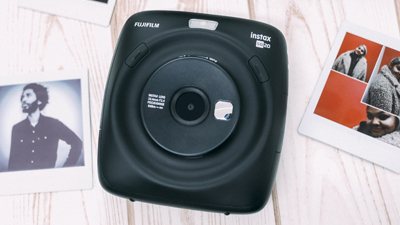
Instax SQ20

Yes, first and foremost, both the SQ10 and SQ20 are hybrid digital and instant film cameras. We love this feature—gone are the days when you’re forced to waste film on under or overexposed shots and unflattering angles. Both cameras are equipped with a digital image sensor, digital image processing technology, and a handy color LCD monitor where you can review content before committing to a hard copy. Both also have a built-in internal capacity of about 50 images with room for a memory card so you can take pictures now and print later.

Do the Instax SQ10 and SQ20 use the same film?

Yes, both cameras accept INSTAX SQUARE Instant Film. So, if you decide to upgrade from the SQ10 to the SQ20, you won’t have to invest in new film too. They print the same 2.4 x 2.4″ Square Images.

Which camera is easier to carry around?

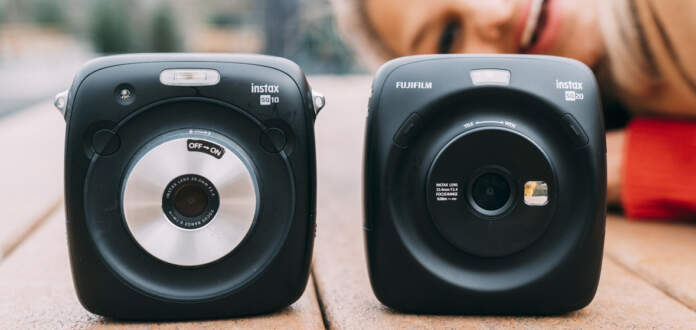
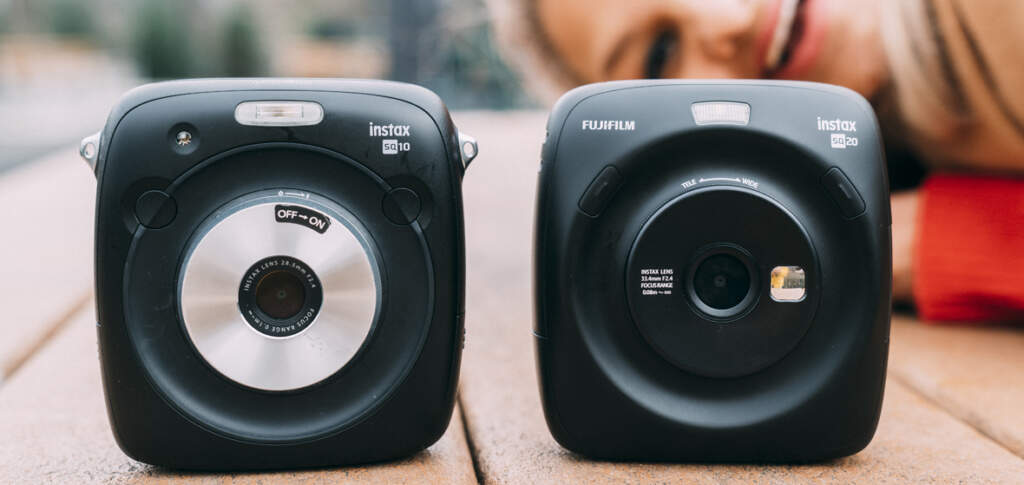
Compared to the Fujifilm Instax SQ10, the SQ20 is more compact, lighter, and (in our humble opinion) more aesthetically appealing. We wouldn’t say the SQ10 is bulky, but the SQ20 is definitely smaller.

Do you lose any functionality upgrading from the SQ10 to the SQ20?

Wow, we’re so glad you asked! While the SQ20 is smaller, that streamlining comes with a few sacrifices:

  • The Fujifilm SQ20 has a smaller screen. It’s not a huge difference, but the resolution also takes a hit. The SQ10 has a 3-inch LCD screen with 460K pixel resolution, while the SQ20’s screen is only 2.7 inches with a 230K resolution.
  • You can’t take out SQ20’s battery to charge it. Instead, you have to charge the device itself. This can get tricky if you’re out shooting, your battery dies and you have nowhere to casually charge a whole camera. You could take a power bank with you, but that’s less convenient than being able to immediately use a second pre-charged battery.
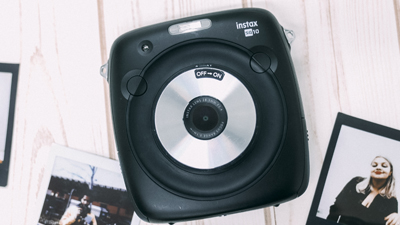
  • The Instax SQ10 has a tripod mount and the SQ20 does not. This won’t affect more casual users, but if you want to take long-exposure shots this might prove problematic.
  • The buttons on the Instax SQ10 are slightly bigger than those on the SQ20. Will this make a huge difference in how you shoot with this camera? No, probably not. But it’s still something that got lost with the size update.

Oh. Well, what functionality do I gain updating to the SQ20?
Fujifilm Instax SQ10 vs. SQ20 Instant Camera
Instax SQ10

One feature we’re relieved the SQ20 does not come with is the auto/manual switch. When you leave the SQ10 on Auto and put it in your bag, the shutter button accidentally gets pressed. As a result, you end up printing a lot of very dark pictures of nothing. The SQ20 doesn’t have an auto/manual switch, thus eliminating this problem. Also, who among us is buying a Fujifilm Instax camera for its manual focus? No one, that’s who.

It’s also worth noting that the Instax SQ20 has a selfie mirror while its predecessor does not. When we first heard about this addition we wondered, do we really need that though? It turns out we definitely do. We can’t guarantee that you’ll never take an awkward selfie again, but this little mirror definitely helps.

Instax SQ10 and SQ20 Features & Specs

Does the Instax SQ20 or SQ10 have better photo effects?
Fujifilm Instax SQ10 vs. SQ20 Instant Camera
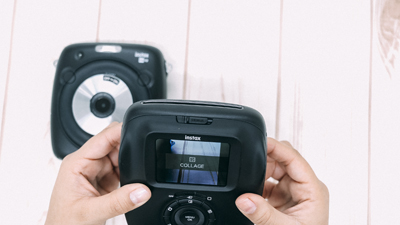
Instax SQ20

Without question the SQ20. For those of you interested in mixing up your social media content, the SQ20 has some fun new shooting settings including a time shift collage, image sequencing, and frame grab. This is a big upgrade from the SQ10 which is only capable of double exposure and a few bulb modes. And speaking of Frame Grab, the SQ20 now lets you film a video up to 15 seconds long and then pick which frame or frames you want to print. This is a perfect feature for action shots of every variety.

Which camera has a better CMOS sensor?

The SQ10 has a slightly better sensor; the SQ20 has a 1/5 inch sensor while the SQ10 has a 1/4 inch. This isn’t a huge difference, but a bigger CMOS sensor is preferable. The larger the sensor, the better the low-light performance and dynamic range. It can also affect resolution. But, again, the size difference here is so slight that they both produce 1920 x 1920 pixel images.

Do either of these puppies have the ability to zoom?

The Fujifilm Instax SQ20 has a respectable 4x digital zoom. This is exactly 4x better than the Instax SQ10 which has no zoom at all.

So, which Instax instant camera should I own? The SQ20 or SQ10?
SQ10 vs. SQ20 Instant Camera
SQ10 vs SQ20

We recommend going with the Instax SQ20, especially if this is your first instant camera. The newly added features are incredible, it’s fun to use, and it takes beautiful images. Also, the Instax SQ10 and SQ20 are almost the exact same price. It makes more sense to invest in the upgrade upfront.

We know Instax SQ10 owners love their camera and honestly, we do too. That said, the SQ20 is a game-changer for your content. The addition of shooting settings like collage mode, frame grab, and time shift adds a remarkable about of variation to your content. All we’re saying is, consider the upgrade.

As always, let us know if you have any additional feedback on either camera below.

Every Gift-worthy Product Available For Next-day Shipping

Every Gift-worthy Product Available For Next-day Shipping

Hello, fellow procrastinators. If you’re reading this, you put off buying gifts until the last possible second. You are currently experiencing the classic symptoms of holiday procrastination: tightness in the chest, racing thoughts, and the inexplicable feeling that somewhere nearby, an elf is judging you. Well put down the paper bag and step away from the spiked eggnog because we have great news: Focus Camera is offering free next-day delivery on hundreds of great gifts. You can find a list of every product available for next-day shipping below:

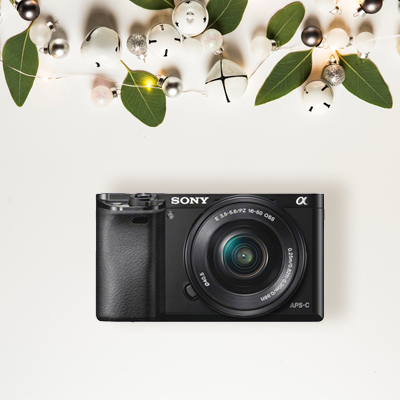
1. Sony Alpha a6000 24.3MP Mirrorless Digital Camera with 16-50mm Lens (Black)

Sony Alpha a6000 24.3MP Mirrorless Digital Camera with 16-50mm Lens

The Sony Alpha a6000 mirrorless doesn’t compromise strength and features for size. This powerful little camera boasts a 24.3 MP Exmor® APS HD CMOS sensor and the world’s fastest autofocus. It also has a BIONZ X Image Processing Engine that reproduces details in real time as seen by the human eye. Usability highlights include a 3-inch tilting LCD screen, customizable UI, and One-Touch remote sharing capabilities.

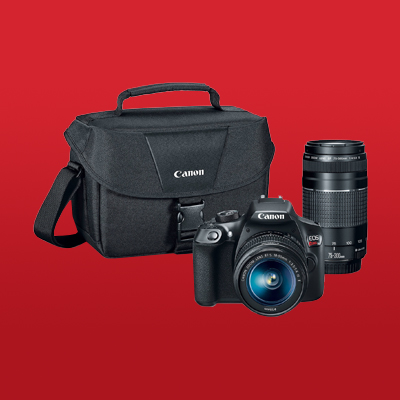
2. Canon EOS Rebel T6 DSLR Camera with 18-55mm and 75-300mm Lenses and Bag Bundle

Canon EOS Rebel T6 DSLR Camera with 18-55mm and 75-300mm Lenses and Bag Bundle

The Rebel T6 is perfect for a smartphone or point-and-shoot camera owner who wants to upgrade to something more serious for this year’s holiday photography. It has an interchangeable lens mount, shoots HD video, and houses an 18.0 Megapixel CMOS image sensor and DIGIC 4+ Image Processor that ensure your photos are crisp and colorful. It is also WiFi and NFC enabled so you can shoot, connect and share in real time. This core bundle includes the EOS Rebel T6 body, a shoulder bag, and two lenses: the EF-S 18-55mm f/3.5-5.6 IS II and EF 75-300mm f/4-5.6 III.

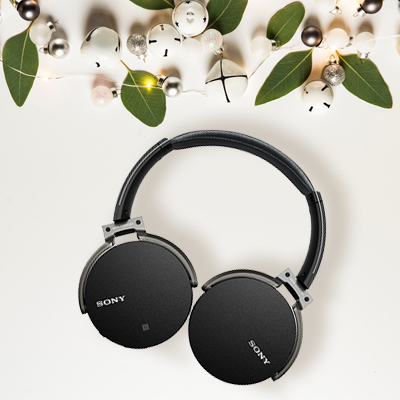
3. Sony XB950B1 Extra Bass Wireless Headphones

Sony XB950B1 Extra Bass Wireless Headphones

This is an ideal gift if—like us—you’re haunted by horrific holiday-song covers blaring in every store you dare enter. The Sony XB950B1 extra bass wireless headphones are reliable and have minimal added frills.

They provide 18 hours of battery life and have a built-in mic for wireless calls. While they’re not noise canceling, they do have an extra bass switch and customizable sound through the Sony Connect app. You can get them in black, blue and red. They also come with a little carrying case that fits the included headphones, headphone cable, and USB cable.

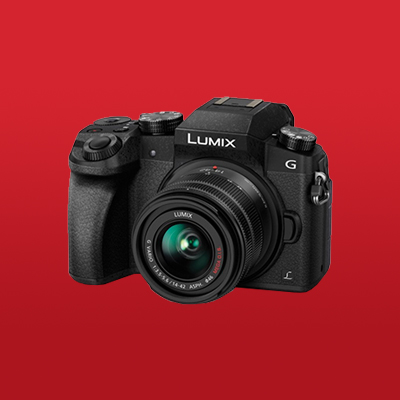
4. Panasonic LUMIX G7 Mirrorless Camera with 14-42mm f/3.5-5.6 Lens

Panasonic LUMIX G7 Mirrorless Camera with 14-42mm f/3.5-5.6 Lens

This lightweight, portable, mirrorless camera is great for videographers. The LUMIX G7 is smaller than most DSLRs, but its 16-megapixel sensor makes it comparable to some of its larger counterparts. It features a Venus Engine 9 Image Processor, precision auto-focus, and shoots 4K video at 30 frames per second. One of its most practical (and coolest) UI features is a 3.0-inch dot free-angle touchscreen that can tilt and pivot to accommodate any awkward shooting angle.

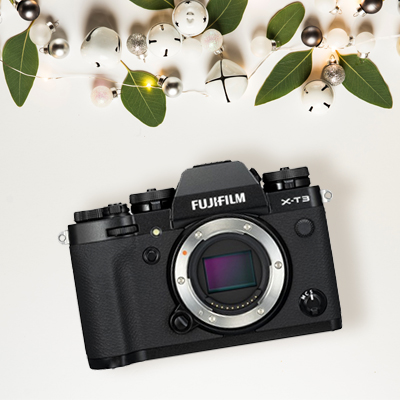
5. Fujifilm X-T3 Mirrorless Digital Camera

Fujifilm X-T3 Mirrorless Digital Camera

This Fujifilm mirrorless is a great option for photographers who want to create incredible work and look good doing it. The Fujifilm X-T3 mirrorless is the perfect combination of brains and beauty. It has a sleek, retro look that makes you want to pick it up and hold it. The form factor combined with this camera’s fourth-generation X-Trans CMOS 4 sensor and X-Processor 4 processor make it a powerhouse. We highly recommend it for street photography or videography; the X-T3 mirrorless shoots ultra HD 4K video and features a 3” tilting LCD touchscreen.

Still looking for more next-day delivery gift ideas? Check out a few more of our favorites below.

Last-minute Gifts For Nature Lovers

Last Minute Gifts For Nature Lovers

One of the best gifts you can give another person is a way to better appreciate the great outdoors. In this gift guide, we deliberately picked gifts for nature lovers that span across a wide array of ages, interests, and experience levels. Regardless of your loved one’s favorite activity, all of these items will inspire them to take to the woods, get some fresh air, and bask in the majesty of nature (that said, maybe take a bug repeller).

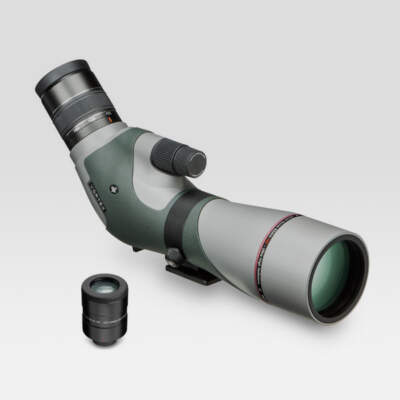
Hunters | Vortex Razor Bundle

Vortex Razor HD Angled Spotting Scope And Long Eye Relief Bundle

A hunter is only as good as their vision. The Vortex Razor HD Angled Spotting Scope has 16x-48x magnification, a 65mm objective lens and a 2.7 -1.4° angular field of view. It also features an APO System Triplet Apochromatic lens to prevent color fringing and loss of color fidelity. All of this to say: this scope is fast, remarkably clear and perfect for the serious hunter in your life.

The bundle also includes a Vortex Razor HD 18x/23x long eye relief eyepiece; an eye relief eyepiece is used by people with poor eyesight or astigmatism who can’t use a scope without the help of glasses. This little addition eliminates the need for eyewear and helps the user take advantage of a scope’s full range of view. This particular model works with 56mm and 85mm spotting scopes and features extra-low dispersion glass.


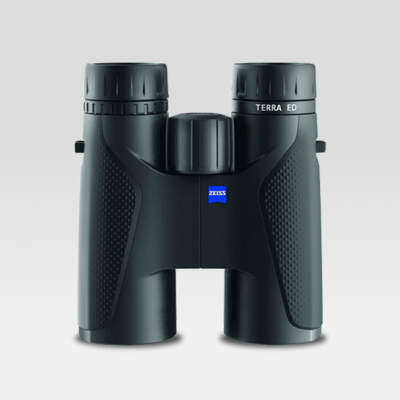
Hikers | Zeiss Terra ED 8 x 42 Binocular

Zeiss Terra ED 8 x 42 Binocular

There is no scenario in which a hiker receiving this gift will say, “no, I’d prefer to see less, but thank you.” The Zeiss Terra ED 8 x 42 Binoculars are a great gift for both new hikers and seasoned backpackers alike. In addition to being compact and easy to slip into a bag or large pocket, these hiking binoculars use hydrophobic multi-coating to deliver precision views. They’re also durable; they boast fiberglass-reinforced, waterproof casing, and work in temperatures of -4 to 145°F. So, if it’s pouring rain in the freezing cold and you drop them running away from a bear, they will still work perfectly when you go back to get them.


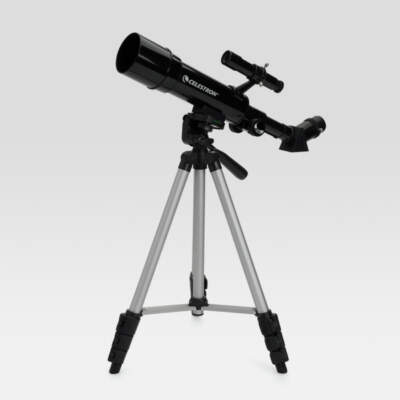
Stargazers | Celestron Travel Scope 50

Celestron Travel Scope 50

Brooklyn is known for many things but a clear sky is not one of them. For that, we New Yorkers must travel upstate. From those fleeing light pollution to dedicated hikers, the Celestron Travel Scope 40 portable telescope is great for on-the-go stargazers. 

This portable telescope is made by Celestron, one of the most trusted names in astronomy scopes. It features a smooth altazimuth mount, coated glass optical elements and—most importantly—a quick, no-tool setup. It also comes with astronomy software, printable sky maps, 75 enhanced images of the night sky, and a custom backpack for easy storage.


Budding Scientists | Celestron Micro Fi WiFi Microscope

Celestron Micro Fi WiFi Microscope

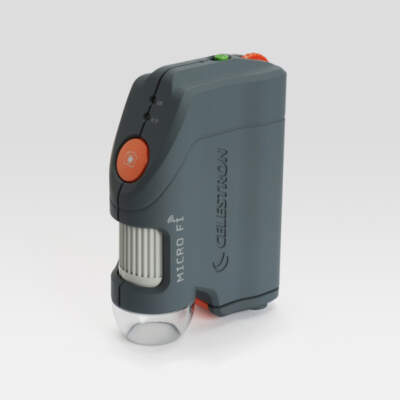
Yes, the curious kid in your life will love the Celestron Micro Fi WiFi Microscope. That said, we guarantee you’ll want to keep this gift for yourself. This handheld digital microscope is portable and works with up to 3 smart devices to record movies and still images. It also has up to 80x magnification and 6 adjustable LED ring illuminations. The Celestron Micro Fi is perfect for getting a closer look at what truly lurks in the park near your home or on the doorknob of your office (this gift is not for the faint of heart).

Top 5 Corded & Portable Speakers For Your Holiday Party

Top 5 Corded & Portable Speakers For Your Holiday Party

The end of the year is a very music-centric time. The reemergence of holiday songs, festive parties, and Spotify’s end-of-year roundup have us inundated with audio. Whether you’re planning a casual dinner or an epic New Year’s Eve party, this roundup details the top corded and portable speakers for every kind of holiday event.

1. On-The-Go | Mackie FreePlay Go

Mackie FreePlay Go Ultra-Compact Portable Bluetooth Speaker

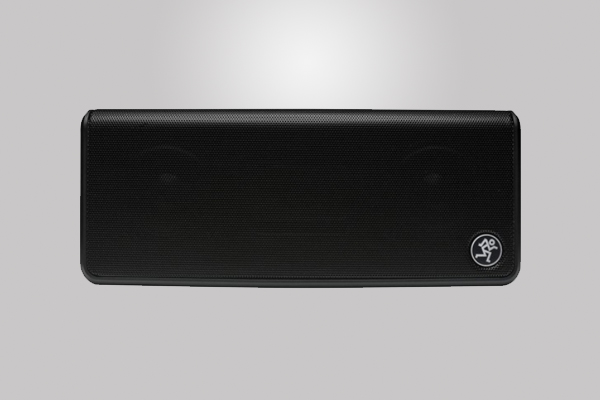
This speaker is for everyone whose New Year’s resolution is to be more adventurous. The Mackie FreePlay Go Ultra-Compact Portable Bluetooth Speaker is a great choice for a beach bonfire, rooftop party or backyard bash. As you can guess from the name, the Mackie FreePlay Go is Bluetooth enabled and hyper-portable—its built-in rechargeable lithium-ion battery lasts up to 15 hours which is more than enough party time. The power doesn’t stop there; the Mackie FreePlay was tuned by pro audio engineers for clear, strong sound. Those experts also included dual passive radiators for enhanced bass and headroom. Are you trying to simultaneously have a party in both your yard and on the roof? You can use the FreePlay Connect app to link two speakers, thus achieving a bigger, multi-space listening experience.

2. Holiday House Party | Sony SRS-XB21

Sony SRS-XB21 Portable Wireless Bluetooth Speaker

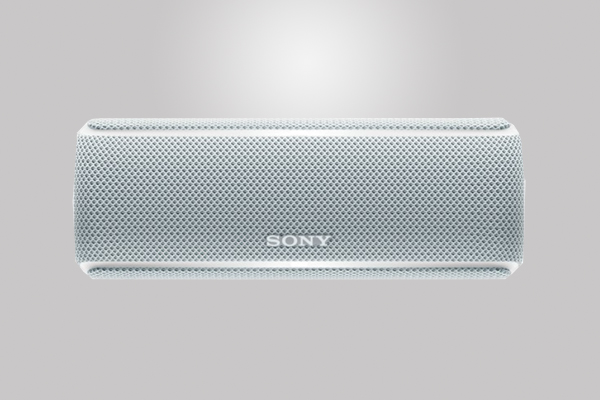
The Sony SRS-XB21 Portable Wireless Bluetooth Speaker is great for a gift exchange, cocktail party or a mixture of the two. You can connect up to 100 of these true wireless Bluetooth speakers and put them in every room of your home. That is not a typo—you can link 100 Sony SRS-XB21 wireless speakers. The person casually DJing from their smartphone has never wielded more power. This portable speaker lasts up to 12 hours and features extra bass and live sound modes. In case things get a little rowdy, it’s also waterproof, dustproof and rustproof.

3. Dinner Party | Sony Google Assistant Built-in Wireless Speaker

Sony Google Assistant Built-in Wireless Speaker

The holidays are all about bringing your loved ones together, reflecting on the year to come, and eating more than your body ever wanted or expected. It’s also about showing your family that, actually, you do have your act together. What better way to combine these two things than a dinner party?

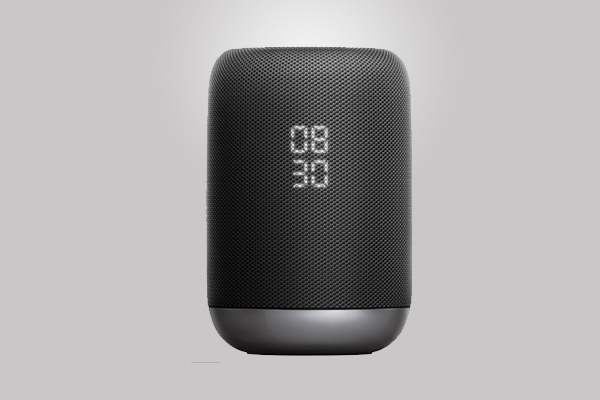
The Sony Google Assistant Built-In Wireless Speaker is the perfect addition to your kitchen. It has an IPX3-rated splash-proof design, features touch-free gesture controls and responds to “OK, Google” Voice commands for all of the burning questions that come to mind when you’re elbow deep in a turkey. When it’s time to eat, place this portable Bluetooth speaker anywhere in your dining room, living room, or kitchen to play plays music with 360-degree omnidirectional sound.

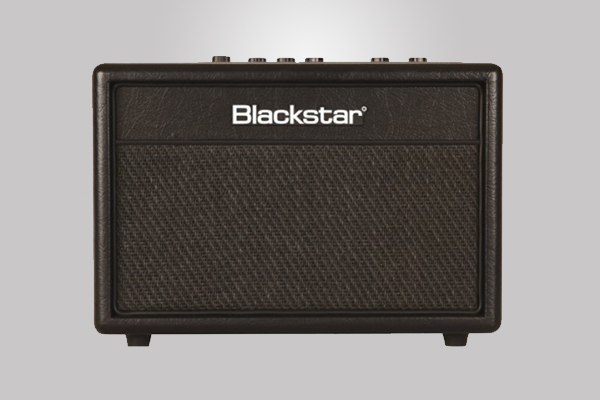
4. Blowout New Year’s Eve Party | Blackstar Bluetooth Amplifier

Blackstar Bluetooth Amplifier

It’s the morning of December 31st. You wake up, stretch and think to yourself, “self, I want every single person I’ve ever met in my life to assemble in my home tonight and celebrate the dawn of 2019.” Then, you set up this amplifier.

The Blackstar Bluetooth Amplifier is a fully functioning Bluetooth speaker. It comes equipped with six different electric guitar voices as well as two bass, two acoustic and two acoustic simulator voices. It’s also worth noting that it is insanely loud while still providing incredible music playback. Have a great time and make sure you invite your neighbors.

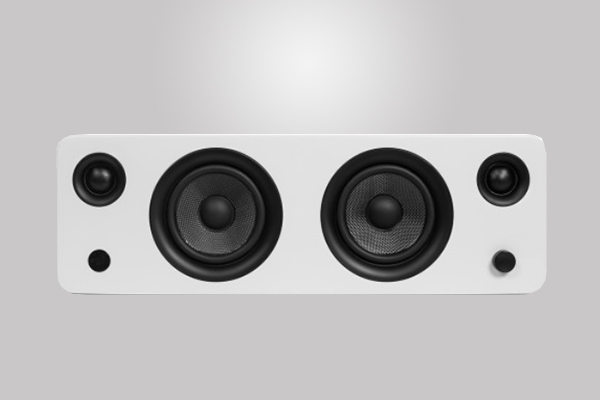
5. Party For One | Kanto SYD Powered Speaker

Kanto SYD Powered Speaker

During a hectic holiday season, the best gift you can give yourself is time alone. We recommend the Kanto SYD Powered Speaker if you want to take a break from the madness, binge-watch Game of Thrones or lounge around and listen to your favorite records.

This sleek speaker is equipped with aptX technology so you can transmit high-fidelity audio from your smartphone, TV or other Bluetooth enabled device. Alternatively, hook it up to a record player with SYD’s built-in phono preamp. Regardless of your self-care methods, the Kanto SYD provides great audio quality and looks good doing it.

Sigma 56mm f/1.4 Contemporary Lens Hands-On Review

2018 was a big year for big lenses. This is particularly true for Sigma which released monster lenses—including the 40mm f/1.4, 105mm, and 60-600mm—to solidify Sigma’s Art, contemporary and Sports lens series. Sigma took a break from releasing tons of monstrous lenses to create something perfect, and relatively small: the Sigma 56mm f/1.4 Contemporary Lens.

This portable Sigma lens can easily be described in one word, “smooth.” Its stepping motor gives it quick and silent autofocus, which makes it a good option for video and portrait photography. Our videographer, Dominick, did a photo shoot with a friend of his using only this lens paired with the Sony a6000. He was thoroughly impressed with the hair-splitting focus, even at f/1.4. He also shot several clips (included in this video) to see how well it maintained focus with the a6000 even in low light.

The Sigma 56mm has a wide aperture of 1.4 for perfect bokeh and it’s 56mm focal length makes it equivalent to an 84mm in full frame. But, compared to the 85mm f/1.4 lens, the 56mm is a fourth of the weight, a third of the price and half the size. It also has 10 elements in 6 groups; the SLD glass elements correct axial color aberration and reduce color fringing. It also features 9 rounded diaphragm blades and rubber sealing at the mount, making it both dust and splash-proof.

The Sigma 56mm f/1.4 lens is small, portable and lightweight, but still incorporates a large grip that makes focusing easy and comfortable. It boasts the title of the smallest mid-tele lens in class weighing in at only 280g or 9.9oz.

At the end of the day, this lens is a good investment for portrait photographers using the Sony a6000 series. It’s also incredibly affordable—only $479 at Focus camera—which is a solid price for any photographer’s budget. If you have this lens, we’d love to hear what you think of it so far.

Sample images with Sony a6000 and Sigma 56mm f/1.4 Contemporary lens

Gift Guide: Best Drones For Aerial Photography

Gift Guide: Best Drones For Aerial Photography

Drone photography has come a long way from strapping a GoPro to a drone and hoping for the best. Today, drone cameras rival hand-helds in both quality and ubiquity. Professional photographers and dedicated amateurs alike are embracing aerial photography and the possibilities it presents; we can now invest in a futuristic, flying robot for the sake of advancing our art. What a time to be alive. In this gift guide, we detail the top 5 best drones for aerial photography.

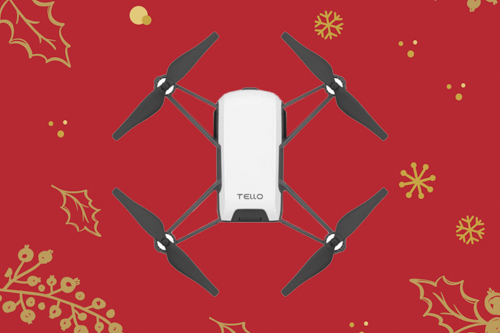
1. Ryze Tech Tello Quadcopter

Ryze Tech Tello QuadcopterThe Ryze Tech Tello Quadcopter is one of the best drones for beginners and students. It’s designed to help the user learn about coding. You can pair your smartphone and Tello with the Tello EDU app and play interactive, block-based programming games. If you’re looking for a fun way to introduce your kid to coding, this is it.

If coding doesn’t interest you, it’s also a good choice for an affordable, easy-to-use drone camera. The Ryze Tech Tello Quadcopter weighs only 80 grams and has a built-in Intel 14-Core Processor. It also has a 100-meter (about 325 foot) flight distance, takes 5MP photos and supports 720p HD transmission.

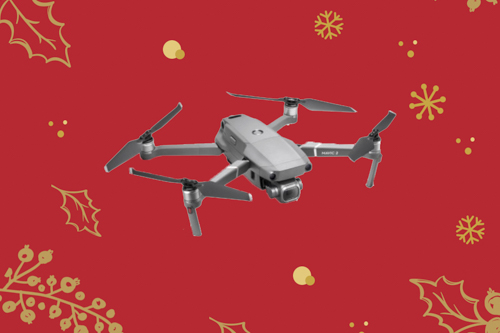
2. DJI Mavic 2 Pro Drone

DJI Mavic 2 Pro DroneThe DJI Mavic Pro 2 Drone is arguably one of 2018’s best drones. It was constructed with professional photographers in mind; it has a built-in Hasselblad camera, shoots 10-bit HDR video, has an adjustable aperture, and a 1” CMOS sensor.

It’s also loaded with cool features like omnidirectional sensing and trajectory prediction. For those of you interested in being the next Michael Bay, this drone can track fast-moving objects at speeds up to 72 kph (about 44 mph).

3. DJI Mavic Air

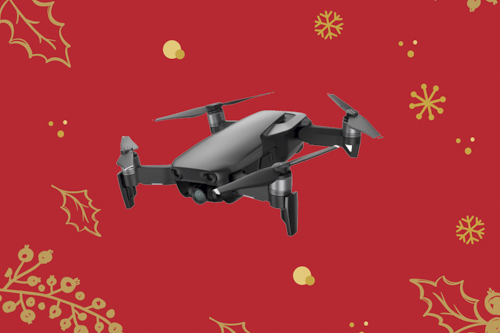
DJI Mavic AirNext on our list is another DJI drone. The DJI Mavic Air is equipped with a 1/2.3”12-megapixel CMOS sensor, a 35mm focal length, and seven onboard cameras. Why seven? Why not.

If you’re worried about crashing your new drone camera into a wall, never fear. The DJI Mavic Air has forward, backward, and downward dual-vision sensors so you can continue zooming around the sky worry-free. As if that isn’t cool enough, you can also control the drone with hand gestures. You’re basically one cape away from being a supervillain.

4. J-ME Drone with 4K Camera 2 Axis Gimbal

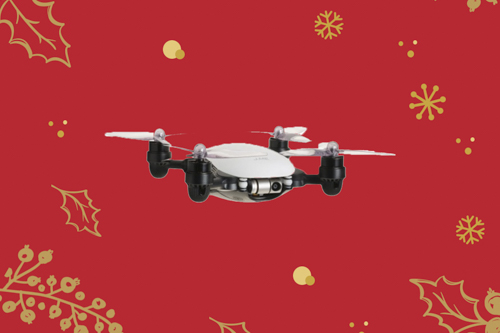
JME Drone with 4K Camera 2 Axis Gimbal and Remote ControllerThe J-ME drone is another affordable option that doesn’t sacrifice quality for price. As the name suggests, it shoots 4K video, has a built-in SONY IMX258 sensor, and an F2.0 large aperture. It’s also hyper-portable and has a sleek, oval body that you won’t mind carrying around.

This is also a great option for taking drone photography from great heights—its maximum altitude is an impressive 3,500 meters (about 11,482 feet). Whether you’re hiking, at a family party, or trying to get a new shot of the holiday lights, the J-ME is a reliable solution.

5. Typhoon H RTF 4K Drone w/ST16, CGO3 & Landing Gear Kit

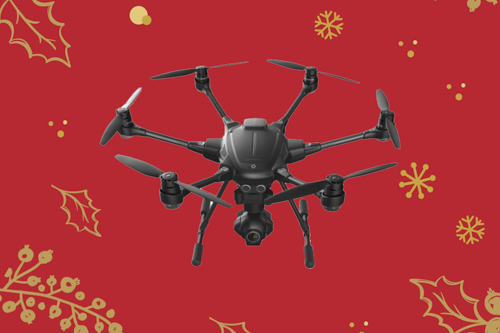
Typhoon H RTF 4K Drone w/ST16, CGO3 & Landing Gear KitLast but not least, the Yuneec Typhoon H. This camera drone features a 3-axis gimbal with 360-degree panning, captures 12MP still photos, and 4k video at 30fps / 1080p up to 120fps. It’s also easy to program and use the Typhoon’s flight modes including point of interest, journey, orbit, follow, and return home.

As an added bonus, the package also includes a pair of landing pads—a perfect pairing for the Typhoon H RTF’s retractable landing gear. Be sure to get in as much landing practice as you can. Later, you can be the first person to get your flying license when society makes the switch from cars to transportation drones.

2018 Sigma Lens Release Roundup

New Sigma Lens Release Roundup

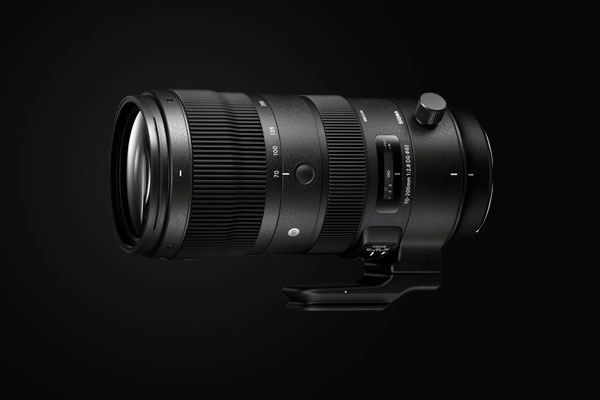
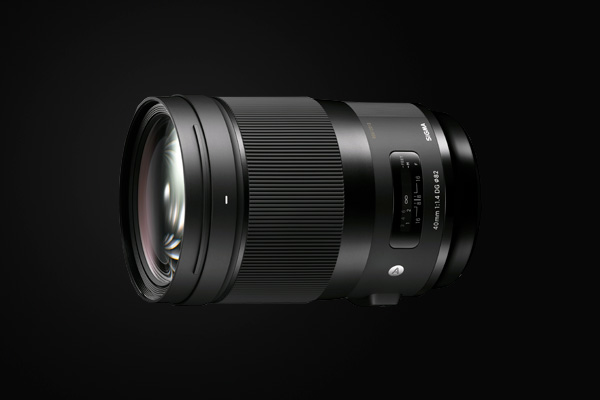
It’s safe to say Sigma had a great 2018. Over the past several months alone they’ve released five new lenses including their newest Sigma sports lens: the 70-200mm F2.8 Sports DG OS HSM. In this piece, we compare each new Sigma lens and detail their specs, features, and pricing. The list includes the SIGMA 70-200mm F2.8 Sports DG OS HSM, 60-600mm F4.5-6.3 DG OS HSM, 40mm F1.4 DG HSM, 56mm F1.4 DC DN, and 28mm F1.4 DG HSM.

1. SIGMA 70-200mm F2.8 Sports DG OS HSM 

Sigma 60-600mm f/4.5-6.3 DG OS HSM Sports Lens for NikonLet’s start with the reason we’re all here, the 70-200mm F2.8 Sports DG OS HSM. This Sigma lens marks the completion of what the company refers to as “The Big Three F2.8 Zooms”; a trio of F2.8 large-aperture zoom lenses that can cover focal lengths from 14mm to 200mm. The other two are Sigma art lenses: the Sigma 24-70mm f2.8 DG OS HSM ART Lens and Sigma 12-24mm f/4 DG HSM Art Lens.

This sturdy sports lens’s body is crafted from magnesium (it’s also dust and splash proof). As for the inner workings, it has a maximum magnification ratio if 1:4.8. It also incorporates 10 exclusive low-dispersion glass elements to correct color aberration; they work in tandem to enhance contrast, make colors more vibrant, and sharpen your images.

The 70-200mm F2.8 Sports DG OS HSM Sigma sports lens is now available for pre-order for $1,499.00.

2. SIGMA 60-600mm F4.5-6.3 DG OS HSM

Sigma 70-200mm f/2.8 DG OS HSM Sport Lens for Sigma

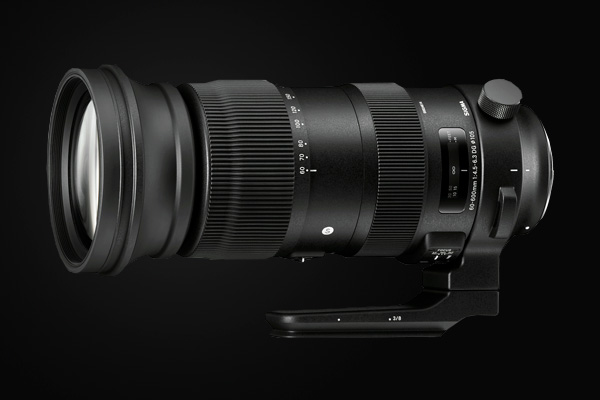
The 60-600mm F4.5-6.3 DG OS HSM is in the Sigma sports lens family, boasting the world’s first 10× optical zoom telephoto lens. This is a heavy lens and can’t be used as a hand-held for too long. It weighs almost six pounds so unless you spend all of your spare time weight training, be prepared to pair this device with a monopod or tripod. That said, its heft is accompanied by impressive specs.

As mentioned above, this Sigma sports lens has the first 10x optical zoom with a tele end of 600mm. It can also be used for telephoto macro photography when you shoot at a focal length of 200mm (maximum magnification ratio: 1:3.3). Arguably its most impressive (and practical) feature is that it incorporates 25 elements in 19 groups; it provides incredible, consistent image quality throughout the entire zoom range.

To learn more, click here for Focus’s in-depth video review. The SIGMA 60-600mm F4.5-6.3 DG OS HSM lens is available for $1,999.00.

3. SIGMA 40mm F1.4 DG HSM

Sigma 40mm f/1.4 DG HSM Art Lens for Sigma

The SIGMA 40mm F1.4 DH HSM is the company’s first art lens to have the AOV and performance standards of a professional cine lens. If you’re reading this wondering “but what does that really mean?” you’re in good company. We thought the same thing. In short, this Sigma art lens maintains a consistent characteristic over its entire sensor at a high level; this allows users to have total visual uniformity while recording a moving subject or panning and tilting their camera. The fact that this Sigma art lens is 8K-compatible doesn’t hurt either.

The SIGMA 40mm F1.4’s optical performance leans heavily on its three FLD (“F” Low Dispersion) glass elements and three SLD (Special Low Dispersion) glass elements. Together, those elements come together to reduce axial chromatic and magnification chromatic aberration; this results in a distortion rate of 1% or under.

The Sigma 40mm f/1.4 DG HSM Art Lens is available for pre-order at $1.399.00.

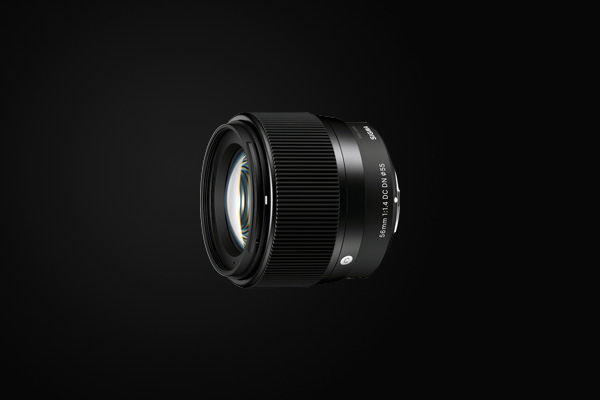
4. SIGMA 56mm f/1.4 DC DN Contemporary Lens for Sony E

Sigma 56mm f/1.4 DC DN Contemporary Lens for Sony EReleases from big-name companies like the Canon EOS R and Fujifilm X-T3 helped make 2018 a huge year for mirrorless cameras. The trend continues with this, the third addition to the Sigma Contemporary lens family designed specifically for the Sony E-Mount.

The Sigma 56mm F1.4 DC DN is small, portable, lightweight and has a large focal grip for the user’s ease and comfort. This Sigma contemporary lens also features an aperture range of 4/1.4 to f/16, APS-C image sensor format and the smallest mid-tele lens in class. If you’re interested in getting a great secondary lens for the Sony Alpha a6000 Mirrorless or a compact lens for portraits, this is a great option.

The SIGMA 56mm F1.4 DC DN is available for $479. Keep an eye out for our review video coming soon.

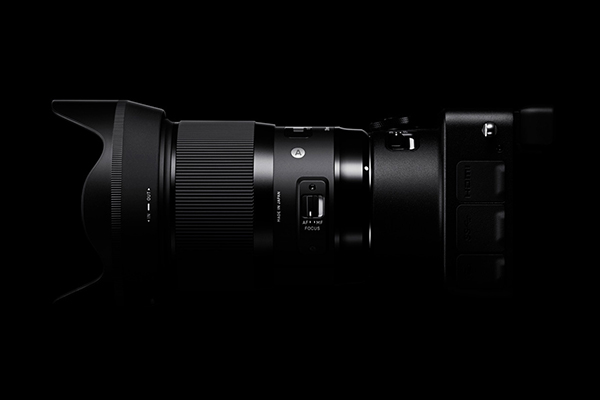
5. SIGMA 28mm F1.4 DG HSM

For our last new Sigma lens, we have the Sigma 28mm F1.4 DG HSM. This wide-angle art lens is the latest and greatest in Sigma’s lineup of large-diameter, wide-angle lenses for 35mm full-frame cameras; Sigma now has five, ranging from 14mm to 35mm. It’s also designed to minimize flare and ghosting, is compatible with Canon Lens Aberration Correction and has a Manual Override (MO) setting and can switch between two full-time manual modes. All-in-all, this is a great catch-all art lens for everything from street and travel to wedding and event photography. 

The Sigma 28mm F1.4 DG HSM Art Lens is available for pre-order at $1.399.00.

How To Photograph Holiday Lights At Night

How To Photograph Holiday Lights At Night

Ready the hot chocolate and warm up those caroling voices, it’s tree lighting season. Now is the time we come together with friends and family—at night in the frigid cold—to admire a local evergreen conifer covered in lights. It is a strange but genuinely beautiful tradition that’s very fun to photograph. This year, we wrote up a list of best practices for how to photograph holiday lights at night; if you’re going to face the crisp winter air, you should make it worth your while.

Timing & Location

Christmas Tree Photography Tips Location Scouting

You’re probably not the only person interested in photographing this tree lighting. Get to the event space early, find the angle from which you want to shoot, and claim your turf. This also gives you an opportunity to experiment with ISO levels and take photos in a wide array of lighting from golden and blue hour to total darkness.

Tripod & Remote

You need a slow shutter speed to capture this shot (more on that in a moment). Because of the longer exposure, you should bring your trusty tripod to avoid shaky, blurry photos. We recommend the MeFOTO RoadTrip Travel Tripod which folds down to a mere 15 inches. You can also hook your camera up to a remote control for hands-free shooting if you want to be really cautious.

Step Away From The Flash

Capturing the warm, festive ambiance of a holiday tree lighting is harder when you add your own blinding flash; the tree is already expertly lit, why mess with perfection? Adding a flash also washes out the tree’s lights, the lush color of the evergreen and inevitably turns the people standing front of you into blurry shapes resembling the ghost of Christmas past.

ISO Settings

Finding the right ISO setting is a big part of determining how to best photograph holiday lights at night. This number will vary greatly depending on the amount of ambient light where you’re shooting. We suggest taking a few test shots to find your sweet spot, but a good rule of thumb is to start at the lowest ISO possible and adjust from there.

Artful Blurring

How To Photograph Holiday Lights At Night With Bokah

Bokeh is a classic staple of holiday photography and for good reason. It’s a very effective way to capture the comforting, often whimsical vibe of holiday events. You can create this effect with any lens. However, there are a few steps you can take to create Hallmark-worthy imagery.

First, you’re going to need a lens with a very wide aperture like an f/1.4 or f/1.8. We would highly recommend any of these lens options from Sigma, Sony, Rokinon, and FujiFilm. Second, adjust your aperture. The bigger the aperture, the narrower the depth of field; if you want big, beautiful bokeh make the depth of field as narrow as possible. For best results set it to f/2.8, 1.8, or 1.4. Finally, (a callback to tip #1) make sure you’re relatively close to the tree.

Elevate Your Photography

Christmas Tree Photography Tips Drone Footage

It’s safe to say that there are thousands of tree lighting photos out there. Some are certainly better than others, but they’re all reasonably similar: an exquisitely lit tree in a city square, often featuring bokah. If you want your photos to stand out, try shooting from above.

The DJI Mavic 2 Pro is the latest and greatest in drone technology; it features a 10-bit HDR video, an adjustable aperture, and 20 mp 1” CMOS sensor. In laymen’s terms, it records incredible content from any angle.

That concludes our top tips on how to photograph holiday lights at night! If you have any additions, feel free to leave them in the comments below.

5 Vacation Photography Accessories Every Traveler Needs

Hey there, focus fam. In this post, we go over the five vacation photography accessories every traveler needs. Let’s get into it!

1. Inconspicuous Camera Bag

We don’t recommend that you walk around a strange city with a camera bag that screams I have thousands of dollars of equipment with me! That’s why we use the Vanguard Havana 41BL Camera Backpack for all of our adventures.

This bag offers removable inserts and padded compartments that fit a wide range of gear including a DSLR (with lens attached), a 13-inch laptop, flash, 1-2 additional lenses, and a few more essentials. For example, one of our favorite details is the inclusion of a Vanguard rain cover.

2. Lightweight Travel Tripod

You never know when you’re going to need a tripod, whether you’re taking a shot in low light or setting a timer for a group photo. However, you don’t necessarily want to haul around a heavy tripod all day. 

Enter MeFoto.

The only clunky thing about the MeFoto A1350Q1K Travel Tripod its name. This little travel companion features 360-degree panning, independently locking legs, and a graduated panning scale for even panoramas. Plus, it converts to a monopod for vloggers on-the-go.

Finally, and most importantly, its size. This MeFoto tripod is only 15.4” when folded but extends to an impressive 61.6″. Similarly, it only weighs 3.6 lbs.

3. Backup Camera

Granted, this isn’t exactly an accessory. However, it’s still something that we never leave the country (or state) without: a backup camera. 

The Fujifilm SQ20 is one of our favorite instant cameras on the market. This film/digital hybrid takes square film and easily fits into most purses and backpacks. Plus, if you don’t know which photos you want to print just yet, the digital files stay on your camera and can be printed whenever you like.

4. Vlogging Grip

Attention vloggers: you will want a grip for your fancy travel adventure. You could run around waving your camera around without one but a. it’s not very effective and b. you’d look foolish (sorry).

Our favorite grip by far is the Sony VCT-SGR1. It’s tiny, holds up to 17.6 pounds and converts into a tripod if need be. This little guy is ideal if you’re shooting in crowded areas and don’t have the elbow room for the whole tripod.

5. Portable Hard Drive

There is truly nothing worse than capturing a ton of amazing content then losing it to a corrupted SD. Avoid this fate and invest in a portable hard drive to protect your work as you travel.

Our final recommendation for your vacation photography accessories is the LaCie DJI Copilot BOSS hard drive. We pack this model for a few reasons. First of all, it’s a stand-alone item which means you don’t need your computer to secure your data. Second, its two TB capacity is more than enough space for the average photographer to fill over the course of a few weeks. You can find a longer review of the Copilot here.

Top 5 Tech Gifts For Non-Techies

2018's top 5 tech gifts for non-techies

Finding tech gifts for non-techies can be challenging, especially if you’re an early adopter yourself. Who in their right mind wouldn’t want the new DJI Mavic 2 Pro? Your best friend who treats the Genius Bar like a second home, that’s who. This year, to save ourselves and Focus readers some time and frustration, we’ve put together a list of the top 5 tech gifts for non-techies.

without further ado, here they are in order from least to most tech-savvy:

1. Binoculars

Binoculars Top 5 Tech Gifts For Non-TechiesWe love this gift because it’s perfect for such a wide array of recipients: hikers, hunters, bird watchers, boaters, sports enthusiasts, and that one aunt who is 100% sure something strange is going on with her across-the-street neighbors.
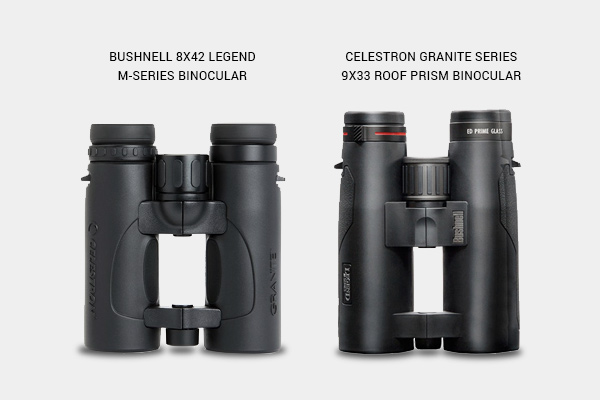
The Celestron Granite Series 9×33 Roof Prism Binocular is top-of-the-line and available in 7X and 9X magnification. This item is sturdy; the body is made of magnesium alloy with a rubber armored overlay for protection. It’s also fog proof, waterproof and features a state-of-the-art modern open frame style.

Alternatively, we recommend the Bushnell 8X42 Legend M-Series Binocular if the recipient will use it while hunting or doing another task that requires both hands. It can be mounted to a tripod and has all of the same protective features as the Roof Prism.

2. Instant Camera

Instant Camera Top 5 Tech Gifts For Non-Techies

Luckily for our tech-averse friends, analog is making a comeback. Older recipients will love getting a new and improved version of an old favorite; younger folks will open it, squeal with glee, and run off to spam their friends on Instagram with instant camera content. Either way, it’s a win for you.

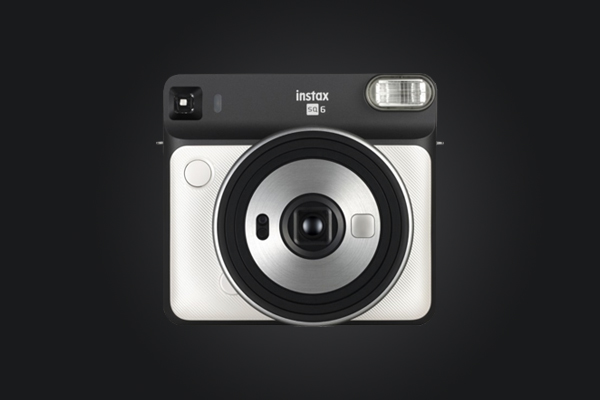
The Fujifilm Instax Square SQ6 Instant Camera comes in an array of colors including Blush Gold, Graphite Gray, and Pear White (pictured). Fujifilm added two new colors, Aqua Blue and Ruby Red, to this vibrant family in November 2018. It also features automatic exposure control and selfie mode—accompanied by a selfie mirror—so the operator can avoid wasting film.

It’s no longer a perfect gift if the new owner accidentally spends a lot of money on the wrong film. That said, we recommend investing in a bundle that includes everything the recipient will need. This one includes the camera, a three-pack of film, cleaning cloth, dust blower, and a 5-piece accessory kit.

3. Activity Tracker

Fitness Tracker Top 5 Tech Gifts For Non-Techies

The Nielson Review does a study detailing the most common New Year’s resolutions in the United States; the consistent top two are “staying fit/healthy” and “losing weight.” Sticking to those resolutions is a lot easier when you have a tangible way to track daily progress.

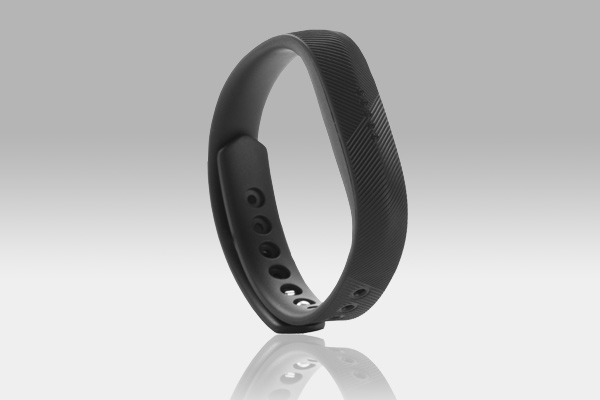
The Fitbit Flex 2 Activity Tracker is the brand’s smallest, lightest and least intimidating device. A big pro is that users don’t need to navigate a tiny little screen on their wrist to use it. Fitness data automatically populates in the Fitbit app; that includes steps taken, distance traveled, calories burned, time spent active and stationary time. It’s also “swim-proof” for people who would rather do laps than run.

Disclaimer: think twice before giving this to someone who never told you they want to get fit or lose weight. We’d like all of our readers to see 2019.

4. Noise Canceling Headphones

Noise Canceling Headphones Top 5 Tech Gifts For Non-Techies

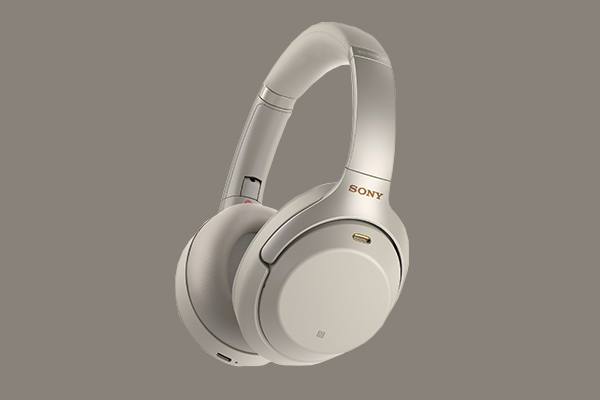
The Sony WH-1000XM3 Wireless Noise-Canceling Headphones are, in a phrase, very cool. They’re wireless, have an HD Noise Canceling Processor, and provide a “custom listening experience”; while delivering sound, the headphones automatically factor in everything from head size and glasses to atmospheric pressure.

The best and most important part? You only need to do one thing to get the most out of these headphones: put them on. The Sony WH-1000XM3 delivers maximum features with minimum user intervention. We would recommend them for people who have terrible commutes on public transit or just detest ambient noise.  

5. Tablets

Tablets Top 5 Tech Gifts For Non-Techies

In our experience, older relatives are perpetually upset with tiny smartphone screens. How am I supposed to use this thing if I can’t see what I’m doing? My thumbs are too big for the keyboard. How do I turn off the flashlight? I can’t find the button. Unfortunately, these are not pull-quotes from a bad telemarketing ad. This is real life. The solution: supersize their digital experience with a tablet.

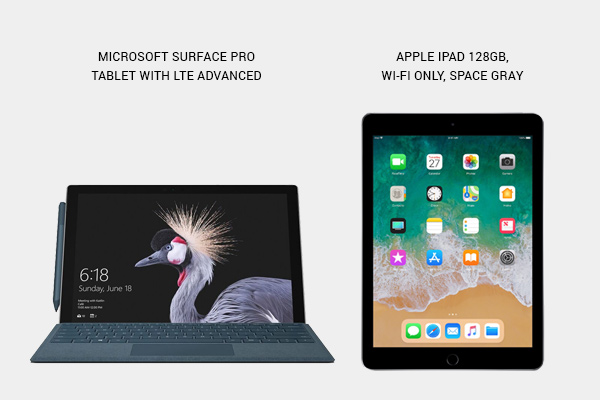
The 6th Generation Apple iPad (128GB, Wi-Fi only) features a 9.7″ screen and 2048 x 1536 retina display. They can use it to take calls from other iPhone users, FaceTime, receive iMessages and accomplish almost anything else they might do on an iPhone. It also features a 1.2MP front and 8MP rear camera for all of their photo taking needs.

We recommend the Microsoft Surface Pro Tablet if the recipient isn’t quite ready to give up all the pros of a desktop computer. It comes with a keyboard and has a laptop, studio, and tablet mode all displayed on a 12.3” PixelSense™ display. It also features an LTE antenna for continuous Internet connectivity.

Bonus Gift

Google Home Hub Top 5 Tech Gifts For Non-Techies

This bonus present is reserved for the most dedicated gift-givers among you.

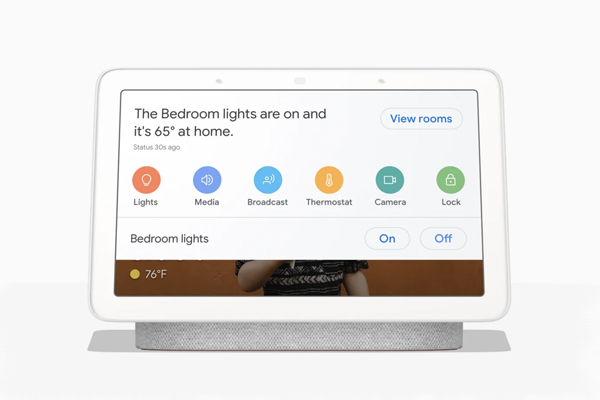
We love the Google Home Hub. Regardless of tech-savvy, it genuinely makes the lives of its users easier and more centralized. That said, giving it as a gift can put the onus on you—the de facto tech support person—to set it up. This is where the dedication comes in.

Once Google Hub is fully functioning and connected to the appropriate accounts (Gmail, Spotify, Netflix etc.), it’s incredibly helpful and difficult to derail. For example, you can’t accidentally press the wrong button and delete all of your contacts. Similarly, the device’s native language will never inexplicably change to Dutch. It’s easy to use, the user interface is simplified to voice commands, and it’s a Google product so it looks great.